Can Collagen Peptides Cause Acne ? In recent years, collagen peptides have attracted increasing research interest for their potential to

Peptides have been investigated for their potential influence on collagen production during wound healing . This is through interactions with fibroblast activity and extracellular matrix remodelling. Fibroblasts are the principal cells responsible for collagen synthesis. This makes them central to restoring tissue strength and the normal progression of wound repair.
Experimental findings also suggest that some peptides may influence inflammatory signalling and processes involved in the formation of new blood vessels during the potential repair of affected tissue. These mechanisms contribute to skin regeneration, connective tissue remodelling, and the cellular events that support wound healing.
This article covers the best peptides for wound healing and tissue regeneration and their roles in collagen support, tissue repair, angiogenesis, and cellular recovery.
Explore GHK-Cu from Direct Peptides , a copper peptide studied for its potential to support skin repair, collagen production, and tissue regeneration.
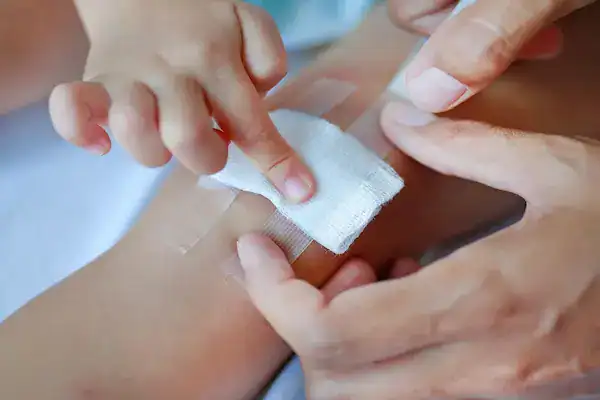
Peptides have been investigated for their potential influence on collagen production during wound healing. This is through interactions with fibroblast activity and extracellular matrix remodelling. Fibroblasts are the principal cells. which are responsible for collagen synthesis. This makes them central to restoring tissue strength and the normal progression of wound repair.
Published research has linked peptide activity with re-epithelialization, granulation tissue formation, extracellular matrix remodelling, and growth factor signalling during the proliferative phase of wound healing. Growth factors, including transforming growth factor-beta (TGF-β) and platelet-derived growth factor (PDGF), are recognised regulators of collagen synthesis throughout tissue repair.
Explore Peptide Supplies at Direct Peptides for all your reconstitution requirements.
Research on peptides for wound healing and tissue regeneration examines how certain compounds may support tissue repair, collagen production, blood vessel growth, and the inflammatory response.
Some of the most studied peptides in this area include:
Current research continues to explore these peptides for their potential roles in connective tissue repair, extracellular matrix remodelling, regenerative signalling pathways, and overall wound healing activity.
Discover BPC-157 from Direct Peptides , a research peptide that may be associated with soft tissue repair, tendon recovery, and wound healing.
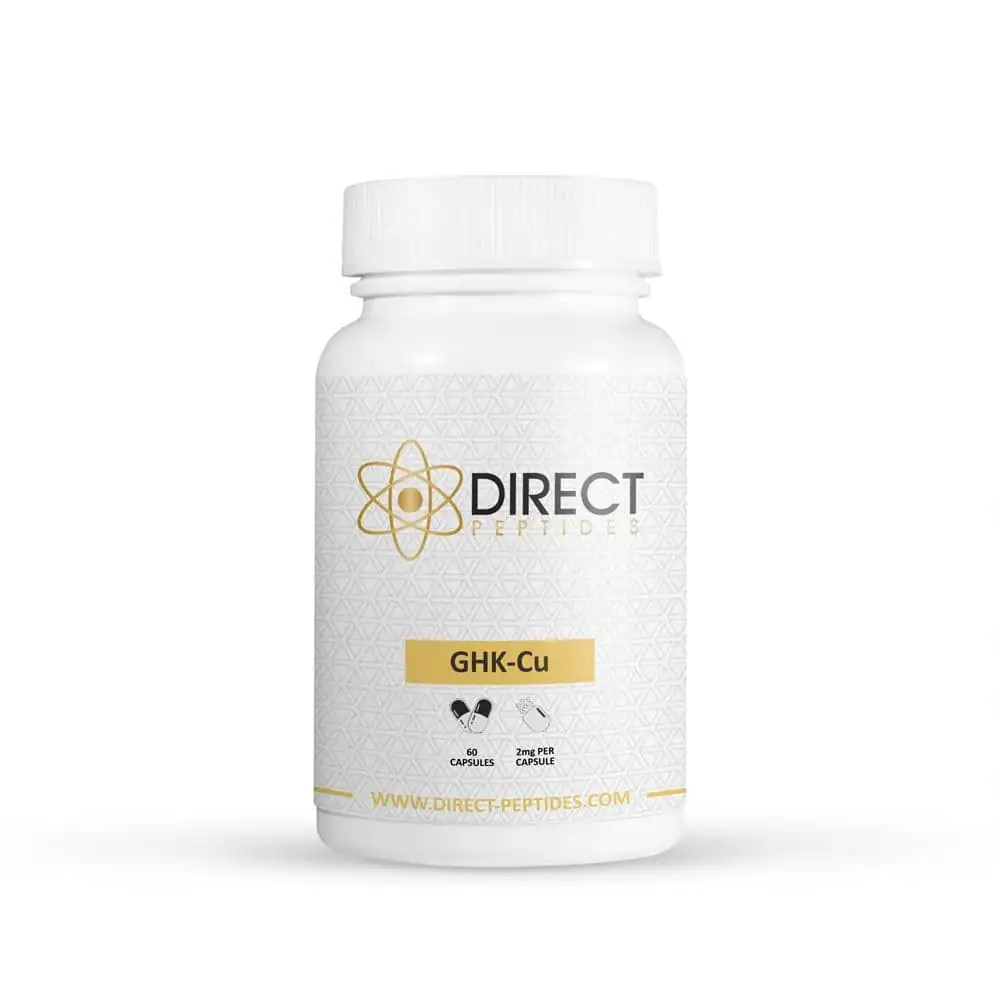
GHK-Cu peptide has been widely investigated for its potential role in wound healing and tissue repair through mechanisms involving collagen production, fibroblast activity, and angiogenesis. Experimental research has also examined its effects on keratinocyte migration, granulation tissue formation, and extracellular matrix remodelling, processes that contribute to wound closure and the restoration of skin structure..
Research on peptides for wound healing also links GHK-Cu to reduced levels of inflammatory cytokines, antioxidant activity, and connective tissue remodelling during tissue recovery. Studies also show GHK-Cu can stimulate growth factors involved in collagen deposition and angiogenesis during wound healing and tissue regeneration.
Experimental research has explored BPC-157 for its potential involvement in tissue repair through mechanisms associated with angiogenesis, collagen deposition, and fibroblast activity. Each of which contributes to normal wound healing. Findings from preclinical injury models have reported increased blood vessel formation, changes in collagen organisation, and enhanced cell migration, observations that may support tissue repair by improving the local healing environment.
Most of the available evidence for BPC-157 comes from preclinical studies involving tendons, ligaments, muscle, skin, and gastrointestinal tissue. Across these experimental models, investigators have reported observations including improved tissue organisation, more mature repair architecture, and faster wound closure, although confirmation in well-designed human studies remains limited.
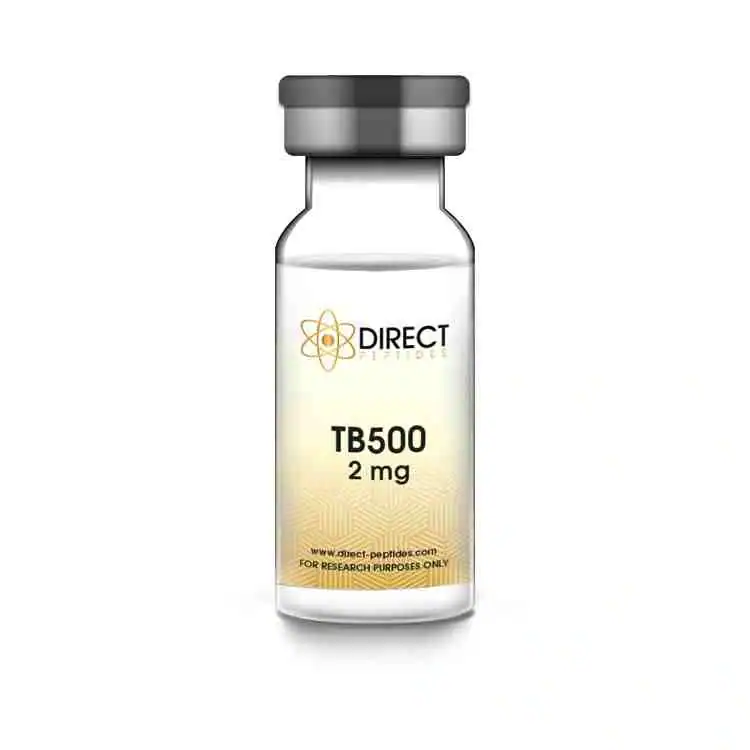
Thymosin Beta-4 is a naturally occurring peptide which is generally involved in wound repair and tissue regeneration. Studies suggest it may help damaged tissue heal by improving cell migration, reducing inflammation, and supporting new blood vessel growth. And because of all this, it is studied as a peptide for wound healing and tissue recovery.
Studies involving skin and corneal injuries also show that Thymosin Beta-4 supports re-epithelialization, an important step in the wound healing process.
Research further suggests that Thymosin Beta-4 may help reduce fibrosis and improve collagen organisation during healing in experimental models. It has been studied in muscle injury, ligament repair, diabetic wounds, and chronic ulcers. Some early clinical studies also report improved healing in pressure ulcers and long-lasting wounds.
Check out Thymosin Beta-4 from Direct Peptides , a peptide studied for its roles in cell migration, tissue regeneration, and wound repair.
LL-37 is a naturally available or occurring human antimicrobial peptide that has been investigated for its role in wound healing. Experimental studies have shown that it can also influence keratinocyte migration, a process that contributes to re-epithelialization during skin repair.
Experimental evidence has also linked LL-37 with angiogenic activity that may contribute to new blood vessel formation during tissue repair. Adequate vascular development supports the delivery of oxygen and nutrients required for normal tissue remodelling throughout the healing process.
Research shows that LL-37 helps regulate inflammation at the wound site, allowing the ongoing healing process to progress properly rather than becoming prolonged or blocked. It also shows antimicrobial and antibiofilm activity, helping to reduce the risk of infection issues in affected or damaged tissue during healing.
Explore Shop LL-37 from Direct Peptides , a naturally occurring peptide researched for its roles in immune response, wound healing, and tissue protection. (Subject to Further Research)
Interest in peptides for wound healing continues to expand as investigators examine how these compounds influence collagen formation, cell migration, angiogenesis, and tissue remodelling. Across preclinical research and selected early clinical investigations, peptides including GHK-Cu, BPC-157, Thymosin Beta-4, and LL-37 have been evaluated in studies involving skin, soft tissue, tendon, and chronic wound models.
Future studies are expected to investigate how these peptides modulate intercellular communication, inflammatory mediators and regenerative signalling pathways. Ongoing exploration may also enhance understanding of the regulatory mechanisms underpinning the integrated biological response to injury, which is required for the restructuring of functional tissue architecture.
As interest in regenerative science grows, peptides for wound healing remain a key area of study for tissue repair, recovery support, and advanced healing mechanisms across multiple injury types.
Explore ALL Peptide Vials from Direct Peptides today, your trusted supplier of premium clinical-grade peptides online.
(1) Pickart L, Vasquez-Soltero JM, Margolina A. GHK Peptide as a Natural Modulator of Multiple Cellular Pathways in Skin Regeneration. Biomed Res Int. 2015;2015:648108.
(2) Pickart L, Margolina A. Regenerative and Protective Actions of the GHK-Cu Peptide in the Light of the New Gene Data. Int J Mol Sci. 2018 Jul 7;19(7):1987.
(3) McGuire FP, Martinez R, Lenz A, Skinner L, et al. Regeneration or Risk? A Narrative Review of BPC-157 for Musculoskeletal Healing. Curr Rev Musculoskelet Med. 2025 Dec;18(12):611-619.
(4) Goldstein AL, Hannappel E, Sosne G, Kleinman HK. Thymosin β4: a multi-functional regenerative peptide. Basic properties and clinical applications. Expert Opin Biol Ther. 2012 Jan;12(1):37-51.
(5) Duplantier AJ, van Hoek ML. The Human Cathelicidin Antimicrobial Peptide LL-37 as a Potential Treatment for Polymicrobial Infected Wounds. Front Immunol. 2013 Jul 3;4:143.
Some peptides have been investigated in experimental models of diabetic wound healing for their potential effects on blood vessel formation, immune regulation, and cell migration. While these findings are encouraging, much of the evidence remains preclinical, and further clinical research is needed to confirm their role in diabetic wound repair.
Yes. Studies show that wound-healing peptides may help with chronic wounds and ulcers by supporting tissue repair, fighting bacteria, and encouraging new tissue growth. This can be useful in wounds that don’t respond well to regular treatment.
Most research on peptides used in wound studies shows they are generally well tolerated in early studies and lab models. Safety still depends on the peptide, the dose, and how it’s used. Most of the evidence is still experimental, so long-term human data is limited.
There isn’t a single best one. Studies often look at GHK-Cu, BPC-157, Thymosin Beta-4, and LL-37. They all work in different ways, such as by improving collagen, blood vessel growth, immune response, and cell repair.
Some peptides have been investigated in experimental burn models because of their potential effects on inflammatory regulation, cell migration, and tissue regeneration. Although several studies have reported improved healing outcomes in these models, further clinical research is required before fruitful conclusions can be drawn regarding their effectiveness in burn care.
No. Most peptides investigated for wound healing are not approved by the FDA for this indication. Although some have progressed into early clinical research, much of the available evidence remains preclinical, and their use for wound healing continues to be considered investigational.
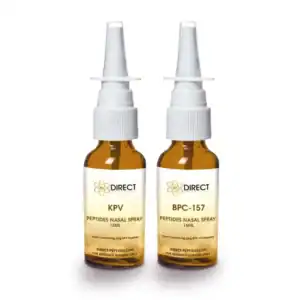
BPC-157 KPV Nasal Stack
Price range: £41.13 through £73.26 Select options This product has multiple variants. The options may be chosen on the product page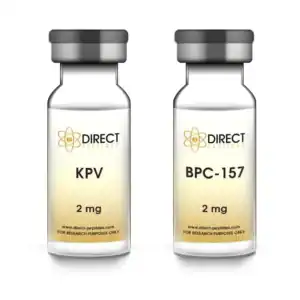
BPC-157 KPV Peptide Stack
Price range: £22.59 through £31.57 Select options This product has multiple variants. The options may be chosen on the product page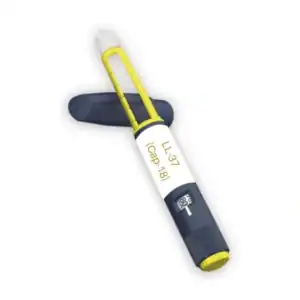
LL-37 (Cap-18) Pre-Mixed Pen 5mg
Price range: £45.25 through £122.18 Select options This product has multiple variants. The options may be chosen on the product page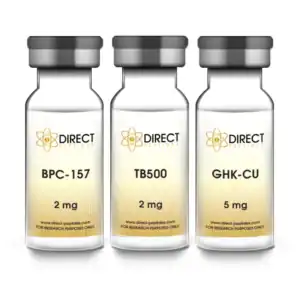
BPC-157 TB500 GHK-Cu Vial stack
Original price was: £40.16.£36.14Current price is: £36.14. Add to cartCan Collagen Peptides Cause Acne ? In recent years, collagen peptides have attracted increasing research interest for their potential to
What Are Mitochondrial-Derived Peptides ? Understanding Humanin, MOTS-c and the Mitochondria-Targeting Peptide SS-31 Interest in mitochondrial health has grown rapidly

Unlocking the Truth About Thyroid Function Thyroid function controls how the body produces energy. How it regulates metabolism and maintains

Can Humanin Peptide Support Brain Health? Humanin has become an important topic in brain health research because of its potential