
The Benefits of Decapeptide-12 : How Can It Help Your Ageing Skin? As the years go by, our skin undergoes

Thyroid function controls how the body produces energy. How it regulates metabolism and maintains hormonal balance. The thyroid releases two primary hormones, T3 and T4, which influence how quickly cells use energy, regulate body temperature and support cardiovascular and cognitive function. Because these hormones act on nearly every tissue, thyroid function directly impacts metabolic efficiency, weight regulation and overall physiological stability.
Research also shows thyroid hormones regulate fat metabolism, glucose use, and oxygen consumption. Higher thyroid activity increases energy expenditure, while reduced thyroid signalling slows metabolic processes and energy production. This is why thyroid function is closely linked with metabolic health and endocrine balance.
This metabolic connection has prompted researchers to explore biological signalling pathways that influence thyroid regulation, including peptide-based mechanisms relevant to endocrine and metabolic research.
Explore Protirelin from Direct Peptides , a TRH analogue studied for its role in thyroid signalling and hypothalamic-pituitary-thyroid axis regulation.
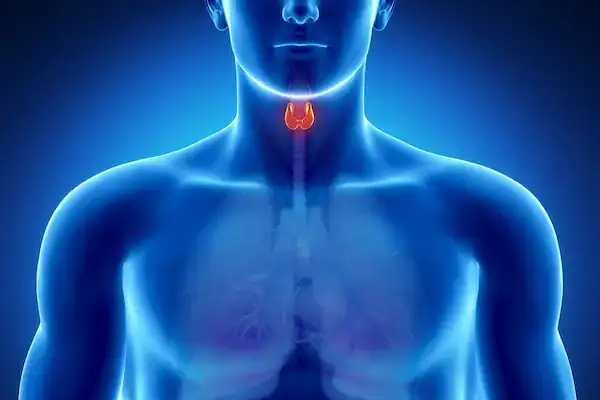
Thyroid function is mediated by the hypothalamic-pituitary-thyroid (HPT) axis at the very core level of the hypothalamus and pituitary gland. The functional release of thyrotropin-releasing hormone (TRH) from the hypothalamus. It also prompts the pituitary to secrete thyroid-stimulating hormone (TSH). TSH next instructs the thyroid gland to produce T3 and T4, but in a way that maintains endocrine homeostasis. That pathway is a major regulator of metabolism, temperature and energy use from head to toe.
And this system works off a net of negative feedback. If thyroid hormone levels fall, the hypothalamus and pituitary increase signalling via TRH and TSH to restore activity. They decrease signalling when levels increase to maintain stability. The balance of thyroid function is continuously maintained under various physiological circumstances.
Explore Peptide Supplies at Direct Peptides for all your reconstitution requirements.
Researchers continue to examine peptide signalling due to its role in endocrine communication and metabolic regulation. This interest highlights several peptides being studied for their potential influence on thyroid-related biological pathways.
These include:
In research, these compounds are investigated for their effects on endocrine signalling and hormone regulation related to thyroid function.
Discover MOTS-c from Direct Peptides , a mitochondria-derived peptide researched for energy metabolism and cellular pathways linked to thyroid function.
Protirelin is the synthetic version of thyrotropin-releasing hormone. A central modulator of thyroid function, hypothalamic regulatory peptide. One study finds that Protirelin provokes the anterior pituitary gland to secrete thyroid-stimulating hormone. This subsequently sends a message to the thyroid, directing it to dampen hormone output and restore endocrinal equilibrium.
Studies also show that Protirelin induces signalling, increasing thyroid-stimulating hormone levels, followed by changes in thyroid hormones, including T3 and T4. This response highlights its role in communication between the hypothalamic-pituitary-thyroid axis and hormone regulation.
Because Protirelin directly interacts with this signalling pathway, researchers continue to study this peptide for its influence on thyroid-related endocrine communication and hormonal regulation in controlled research settings.

MOTS-c is a mitochondria-derived peptide. This peptide regulates metabolic signalling and cellular energy production. Research suggests that MOTS-c promotes AMPK (adenosine monophosphate-activated protein kinase) signalling. This assists in regulating glucose metabolism, fat utilisation, and mitochondrial activity. Both processes affect cellular energy balance, which is closely linked to thyroid function and overall metabolism.
Studies also show that central MOTS-c administration decreased serum TSH, T3, and T4 levels while increasing mitochondrial uncoupling proteins involved in energy expenditure. These findings highlight the connection between mitochondrial signalling and thyroid hormone regulation.
Because thyroid hormones directly influence mitochondrial function and energy metabolism, researchers continue to examine MOTS-c for its role in metabolic homeostasis and in endocrine pathways associated with thyroid function.
Tesamorelin is a growth hormone-releasing hormone analogue that activates receptors in the pituitary gland, leading to increased growth hormone secretion and higher insulin-like growth factor-1 levels. These hormones influence multiple endocrine pathways, including those involved in thyroid hormone regulation.
Studies demonstrate that growth hormone signalling may modify the metabolism of thyroid hormones. Increased peripheral conversion of thyroxine to the biologically active hormone triiodothyronine has been reported in studies. In addition to changes in thyroid-stimulating hormone responsiveness. These results reflect the relationship between growth hormone pathways and thyroid hormone balance.
Further exploration suggests that therapies targeting growth hormone and IGF-1 may affect thyroid function. Thyroid parameters were also frequently monitored. This strengthens the ongoing interest in Tesamorelin, particularly regarding endocrine mechanisms modulated by thyroid hormone involvement.
Check out Tesamorelin from Direct Peptides , a growth hormone-releasing peptide studied for its effects on endocrine signalling and hormone pathways involved in thyroid regulation.
CJC-1295 is a growth hormone-releasing hormone-based analogue that stimulates the pituitary gland to really increase growth hormone and insulin-like growth factor-1 levels. Clinical studies show CJC-1295 produces sustained elevations in these hormones, indicating activation of endocrine signalling pathways.
Growth hormone activity is closely linked to thyroid hormone metabolism. Research suggests increased growth hormone levels can enhance the conversion of thyroxine to the more active triiodothyronine. This also may influence thyroid-stimulating hormone activity. These interactions highlight the connection between growth hormone signalling and thyroid hormone regulation.
As indicated, CJC-1295 stimulates growth hormone release. Researchers are studying its role in endocrine pathways. Considering which pathways influence thyroid hormone metabolism and overall hormonal balance in controlled studies.
Shop CJC-1295 from Direct Peptides , a growth hormone-releasing hormone analogue researched for sustained GH signalling and thyroid-related metabolic pathways.
Peptide research continues to grow as scientists investigate how targeted signalling pathways influence thyroid function and endocrine balance. Recent studies show that peptide-based mechanisms can interact with hormone communication, mitochondrial activity, and metabolic regulation, all of which play important roles in thyroid-related processes.
With further study, these peptides may offer more targeted endocrine signalling options for studying thyroid regulation. Further exploration of these pathways may contribute to a better understanding of thyroid-mediated metabolism, cellular energy homeostasis, and ultimately hormonal function under experimental conditions.
(1) Eduardo A. Nillni, Kevin A. Sevarino, The Biology of pro-Thyrotropin-Releasing Hormone-Derived Peptides, Endocrine Reviews, Volume 20, Issue 5, 1 October 1999.
(2) Wan W, Zhang L, Lin Y, Rao X, Wang X, Hua F, Ying J. Mitochondria-derived peptide MOTS-c: effects and mechanisms related to stress, metabolism and aging. J Transl Med. 2023 Jan 20;21(1):36.
(3) Jørgensen JO, Møller J, Skakkebaek NE, Weeke J, Christiansen JS. Thyroid function during growth hormone therapy. Horm Res. 1992;38 Suppl 1:63-7.
(4) Teichman SL, Neale A, Lawrence B, Gagnon C, Castaigne JP, Frohman LA. Prolonged stimulation of growth hormone (GH) and insulin-like growth factor I secretion by CJC-1295, a long-acting analog of GH-releasing hormone, in healthy adults. J Clin Endocrinol Metab. 2006 Mar;91(3):799-805.
Yes. Thyroid hormones act directly to regulate mitochondrial activity and cellular energy production. Thyroid hormones promote mitochondrial replication, oxidative phosphorylation, and ATP production; the roles of thyroid hormone receptors located both in mitochondria and the nucleus are well known from research. So, the increase in cellular energy output. Lower levels of thyroid hormones in the human body can lead to decreased mitochondrial activity and defects in energy metabolism. These findings support a previous and general assumption that thyroid function is centrally important to mitochondrial energy regulation and the overall metabolic milieu.
Yes. Thyroid hormone metabolism interacts with growth hormone signalling. Increases in peripheral conversion of thyroxine to triiodothyronine and reductions in thyroid-stimulating hormone, with studies indicating a role for growth hormone. These data support a role for growth hormone action pathways in regulating thyroid hormone balance and metabolism, indicating an interplay between growth hormone activity and thyroid function.
Several factors influence thyroid function, including iodine intake, hormone signalling, metabolism and endocrine regulation. Thyroid hormones regulate basal metabolic rate, fat metabolism, carbohydrate metabolism, and protein synthesis. Changes in these pathways can alter thyroid hormone balance and metabolic activity, making thyroid function closely linked with overall endocrine and metabolic health.
Thyroid function is commonly evaluated by blood tests that measure thyroid-stimulating hormone (TSH), T3 and T4 levels. TSH is often the first screening test because it responds early to thyroid imbalance. Additional tests, including free T3 and free T4, help assess thyroid hormone production and overall thyroid activity. These tests help identify thyroid dysfunction and evaluate endocrine balance.
Yes. Thyroid hormones really play a major role in regulating metabolism and energy expenditure. Research shows thyroid hormones increase basal metabolic rate, influence fat metabolism and regulate energy production. Excess thyroid hormone increases energy expenditure, while reduced thyroid activity slows metabolism and lowers energy levels. These effects highlight the central role of thyroid function in metabolic regulation.

Tesamorelin Nasal Spray
Price range: £31.49 through £57.98 Select options This product has multiple variants. The options may be chosen on the product page
Ipamorelin Tesamorelin CJC-1295 no DAC
Price range: £49.73 through £58.71 Select options This product has multiple variants. The options may be chosen on the product page
BULK BUY
Mots-C Peptide Vial
Price range: £29.79 through £101.29 Select options This product has multiple variants. The options may be chosen on the product page
Ipamorelin & CJC-1295 No-Dac Blend 2.5mg Pre Mixed
Price range: £27.33 through £73.79 Select options This product has multiple variants. The options may be chosen on the product pageThe Benefits of Decapeptide-12 : How Can It Help Your Ageing Skin? As the years go by, our skin undergoes

Do Peptides Really Work on Ageing Skin? Ageing is an inevitable process, and one of the biggest concerns associated with

How Does Snap-8 Improve Skin Texture ? Snap-8 and skin texture have become a major focus in peptide research. Researchers

Discover The Best Peptides For Energy Researchers have long been interested in peptides and their role in human vitality. These