
Do Peptides Really Work on Aging Skin? Aging is an inevitable process, and one of the biggest concerns associated with

Interest in mitochondrial health has grown rapidly in recent years, especially within longevity and metabolic research. As scientists continue learning more about how cells produce energy and respond to stress, a group of compounds known as mitochondrial-derived peptides has started attracting serious attention.
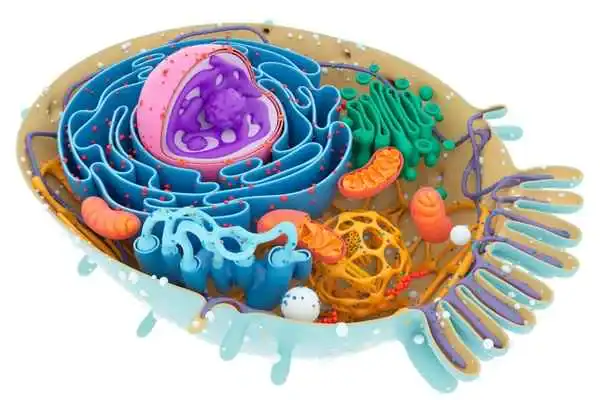
These peptides are produced within the mitochondria, the structures inside cells responsible for energy production. Researchers believe they may play an important role in how the body responds to aging, inflammation, oxidative stress, and metabolic dysfunction.
Among the most widely studied mitochondrial peptides are Humanin, MOTS-c, and SS-31. Although they all relate to mitochondrial function, each one works through different pathways and has become associated with different areas of research.
Mitochondrial-derived peptides, often shortened to MDPs, are small signalling peptides encoded within mitochondrial DNA. Their role appears to go far beyond energy production alone.
Research shows these peptides help cells adapt to stress by affecting metabolism, inflammation, repair, and survival. Because mitochondria work less well as we age, scientists are looking into whether these peptides can help keep cells healthier for longer.
This area of research is still developing, but early findings have linked mitochondrial peptides to aging, exercise physiology, neuroprotection, and metabolic health.
Humanin was first identified during research into Alzheimer’s disease after scientists noticed its ability to protect neurons from amyloid-beta toxicity. Since then, it has become one of the most researched mitochondrial-derived peptides in longevity science.
 Recent studies suggest Humanin may help cells handle oxidative stress and inflammation, and support survival and repair (1). Researchers are also looking at how it relates to mitochondrial function, brain health, and aging.
Another area attracting attention is Humanin’s potential role in reducing excessive apoptosis, which is the process of programmed cell death. Because of this, the peptide is often studied in connection with cellular resilience and healthy aging.
Current areas of Humanin research include:
Discover more about Humanin here, and the various formats available for sale from Direct Peptides .
MOTS-c is another mitochondrial-derived peptide that has become closely linked with metabolism and energy regulation. Unlike Humanin, which is more commonly associated with cellular protection, MOTS-c research tends to focus on metabolic adaptation.
 Evidence shows MOTS-c can affect AMPK signaling, which is important for how the body handles glucose, insulin, and energy balance. Researchers are also looking at its possible role in exercise and how the body adapts its metabolism.
Because mitochondrial dysfunction is often associated with obesity, insulin resistance, and age-related metabolic decline, MOTS-c has become an important topic in metabolic health research (2).
Current areas of MOTS-c research include:
Find out more about MOTS-c peptide here, including the various products available for sale from Direct Peptides.
SS-31, also known as Elamipretide, works slightly differently from Humanin and MOTS-c. Unlike the others, SS-31 is a synthetic peptide designed specifically to target mitochondrial membranes.
 Research suggests SS-31 interacts with cardiolipin, a phospholipid located within the inner mitochondrial membrane that plays an important role in cellular energy production (3). By helping stabilise mitochondrial structure, SS-31 may support ATP production while reducing oxidative stress inside cells.
Researchers have explored SS-31 in studies related to muscle function, cardiovascular health, mitochondrial disease, and age-related dysfunction.
Current areas of SS-31 research include:
Explore all SS-31 products for sale from Direct Peptides.
Although all three peptides are connected to mitochondrial health, their research applications are quite different.
Humanin is mainly known for protecting cells and the brain. MOTS-c is more about metabolism and energy control. SS-31 is mostly studied for how it affects mitochondrial structure and how well they work.
Together, they highlight how complex mitochondrial biology really is. Mitochondria do far more than generate energy. They also influence inflammation, cellular stress responses, repair mechanisms, and overall cellular function.
| Peptide | Main Research Focus | Key Areas Studied |
|---|---|---|
| Humanin | Cellular protection and healthy ageing | Neuroprotection, oxidative stress, cellular resilience, mitochondrial health |
| MOTS-c | Metabolic health and energy regulation | Insulin sensitivity, glucose metabolism, exercise adaptation, energy balance |
| SS-31 | Mitochondrial support and ATP production | Mitochondrial function, oxidative stress, muscle health, cardiovascular research |
Healthy mitochondria are essential for nearly every process in the body. When mitochondrial function begins to decline, cells often become less efficient at producing energy and more vulnerable to oxidative damage.
Researchers have linked mitochondrial dysfunction to aging, metabolic disease, neurodegeneration, chronic inflammation, and muscle loss. This is one reason mitochondrial peptides have become such an important area of scientific interest.
While research into mitochondrial-derived peptides is still evolving, early findings continue to show promising connections between mitochondrial health, cellular resilience, and healthy aging.
Interest in mitochondrial peptides has grown because mitochondria influence far more than cellular energy production alone. They also play a central role in metabolism, oxidative stress, inflammation, cellular repair, and how cells respond to aging over time. As mitochondrial function declines, cells often become less efficient and more vulnerable to stress-related damage.
Researchers are now investigating whether peptides such as Humanin, MOTS-c, and SS-31 may help support healthier mitochondrial activity by influencing pathways involved in energy regulation, cellular resilience, and stress adaptation. Although each peptide works differently, all three have become important areas of research in longevity science, metabolic health, neuroprotection, and exercise physiology.
While research is still developing, mitochondrial-derived peptides continue to attract attention for their potential role in supporting cellular function during aging and metabolic decline.
Mitochondrial-derived peptides are small naturally occurring peptides encoded within mitochondrial DNA. They are produced in the mitochondria, the structures responsible for generating cellular energy, and appear to play roles in cellular signalling, metabolism, stress response, and energy regulation. Researchers are studying mitochondrial-derived peptides such as Humanin and MOTS-c for their potential involvement in healthy aging, oxidative stress reduction, mitochondrial function, and cellular resilience.
Mitochondrial-derived peptides help control important processes for cell health and energy balance. Studies show they affect ATP production, how cells handle oxidative stress, inflammation, metabolism, and cell repair. Scientists are looking into how these peptides help cells adapt to stress and keep mitochondria working well as we age or face metabolic problems.
The best-known mitochondrial-derived peptides are Humanin, MOTS-c, and the SHLP family (Small Humanin-Like Peptides). Humanin is mainly studied for protecting cells and nerves, while MOTS-c is linked to metabolism, insulin sensitivity, and energy regulation. SHLP peptides are also being researched for their possible roles in mitochondrial function, handling oxidative stress, and healthy aging. Another peptide, SS-31 (Elamipretide), often comes up in research because it affects mitochondrial membranes and energy production.
Researchers are studying Humanin to see if it can help protect cells, support nerve health, and promote healthy aging. Studies suggest it might shield cells from oxidative stress, inflammation, and problems with mitochondria, while also helping with cell survival and repair. Scientists are also looking at Humanin’s possible benefits for brain health, metabolism, cell resilience, and age-related decline.
MOTS-c is a naturally occurring mitochondrial-derived peptide encoded within mitochondrial DNA. It is primarily studied for its role in metabolism, cellular energy regulation, and insulin sensitivity. Research suggests MOTS-c may influence AMPK signalling pathways involved in glucose uptake, metabolic balance, and exercise adaptation. Because of its connection to mitochondrial function and energy metabolism, MOTS-c has become an important area of research in healthy aging, metabolic health, and exercise physiology.
No. SS-31, also known as Elamipretide, is not considered a naturally occurring mitochondrial-derived peptide because it is not encoded within mitochondrial DNA. Instead, it is a synthetic mitochondrial-targeted peptide designed to interact directly with the inner mitochondrial membrane. Research suggests SS-31 may help support mitochondrial function, ATP production, and oxidative stress regulation by stabilising cardiolipin, a phospholipid involved in cellular energy production.
Mitochondrial-derived peptides are important because they appear to help regulate cellular energy production, stress response, metabolism, and mitochondrial function. As mitochondria become less efficient with age, cells often produce less ATP and experience increased oxidative stress and inflammation. Researchers are investigating whether mitochondrial peptides, such as Humanin and MOTS-c, may support healthier cellular function by influencing pathways involved in energy balance, cellular resilience, and stress adaptation. Because mitochondrial dysfunction is strongly linked to aging and metabolic decline, these peptides have become an important area of longevity and cellular health research.
Humanin and MOTS-c are both mitochondrial-derived peptides, but researchers study them for very different reasons. Humanin is more closely linked to cellular protection, particularly in relation to oxidative stress, inflammation, and cell survival. Much of the research around Humanin focuses on neuroprotection, healthy aging, and helping cells cope with stress-related damage.
MOTS-c, on the other hand, is mainly linked to metabolism and energy balance in cells. Research suggests it may influence how the body regulates glucose, responds to insulin, uses AMPK signalling, and adapts to physical activity. Because of these links, MOTS-c is a growing topic in metabolic health and exercise research.
In simple terms, Humanin is mainly associated with cellular resilience and protection, while MOTS-c is more closely linked to metabolic function and energy balance.
Mitochondrial peptides are linked to aging because mitochondria naturally become less efficient over time. As this happens, cells make less ATP and produce more oxidative stress and inflammation. This decline is tied to changes in metabolism, cell repair, thinking ability, and how well cells cope with stress as we age. Scientists are studying whether peptides like Humanin and MOTS-c can help cells stay healthier during aging by affecting stress response, energy regulation, mitochondrial signaling, and cell survival.
Mitochondrial peptides are being researched for their potential roles in healthy aging, cellular resilience, metabolism, and mitochondrial function. Scientists are investigating peptides such as Humanin and MOTS-c in areas related to oxidative stress, energy production, insulin sensitivity, neuroprotection, inflammation, and exercise physiology. Because mitochondrial dysfunction is strongly associated with aging and metabolic decline, researchers are exploring whether mitochondrial-derived peptides may help support healthier cellular function and stress adaptation over time.
(1) Coradduzza D, Congiargiu A, Chen Z, Cruciani S, Zinellu A, Carru C, Medici S. Humanin and Its Pathophysiological Roles in Aging: A Systematic Review. Biology (Basel). 2023 Apr 6;12(4):558. doi: 10.3390/biology12040558. PMID: 37106758; PMCID: PMC10135985.
(2) Ozkaya DY, Haymana C, Demirci I, Duman UG, Küpçük E, Koç GE, Tasci I, Sonmez YA. MOTS-C levels ın ındividuals with and without obesity and ıts association with ınflammation, insulin resistance and endothelial dysfunction. Arch Endocrinol Metab. 2025 Sep 26;69(5):e250063. doi: 10.20945/2359-4292-2025-0063. PMID: 41004666; PMCID: PMC12468430.
(3) Chavez JD, Tang X, Campbell MD, Reyes G, Kramer PA, Stuppard R, Keller A, Zhang H, Rabinovitch PS, Marcinek DJ, Bruce JE. Mitochondrial protein interaction landscape of SS-31. Proc Natl Acad Sci U S A. 2020 Jun 30;117(26):15363-15373. doi: 10.1073/pnas.2002250117. Epub 2020 Jun 17. PMID: 32554501; PMCID: PMC7334473.
NAD+ Peptide Vial
Price range: £41.48 through £91.93 Select options This product has multiple variants. The options may be chosen on the product page
SS-31 Nasal Spray
Price range: £151.75 through £298.50 Select options This product has multiple variants. The options may be chosen on the product page
BULK BUY
Mots-C Peptide Vial
Price range: £29.79 through £101.29 Select options This product has multiple variants. The options may be chosen on the product page
Humanin Pre-Mixed Pen 10mg Peptide
Price range: £52.49 through £141.72 Select options This product has multiple variants. The options may be chosen on the product pageDo Peptides Really Work on Aging Skin? Aging is an inevitable process, and one of the biggest concerns associated with

How Does Snap-8 Improve Skin Texture ? Snap-8 and skin texture have become a major focus in peptide research. Researchers

The Benefits of Decapeptide-12 : How Can It Help Your Aging Skin? As the years go by, our skin undergoes

Discover The Best Peptides For Energy Researchers have long been interested in peptides and their role in human vitality. These