
Ipamorelin vs GHRP-2 : Which Peptide Shows More Targeted GH Release? Growth hormone research includes peptides that influence how and

In recent years, collagen peptides have attracted increasing research interest for their potential to support skin health. Made from collagen, a protein naturally present in the skin, bones, and connective tissues, these peptides have been linked in clinical studies to improved skin elasticity, reduced wrinkles, and better skin hydration. However, as with any popular skincare trend, concerns arise. Can collagen peptides cause acne?
One question that occasionally arises is whether collagen peptides contribute to acne. Based on the current clinical literature, there is no convincing evidence that collagen peptides directly trigger acne. Acne is generally associated with excess sebum production, follicular obstruction, bacterial activity, inflammation, and individual susceptibility rather than collagen intake itself.
Shop ALL Topical Peptides from Direct Peptides today, your trusted supplier of premium clinical-grade peptides online.
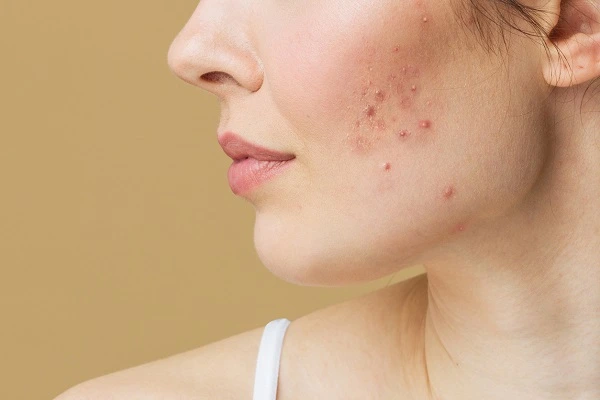
To address whether collagen peptides cause acne, we first need to examine what triggers acne. Acne is a multifactorial inflammatory disorder of the pilosebaceous unit.
With these known causes of acne in mind, we can now review what current clinical research says about collagen peptides and acne development.
Explore Peptide Supplies at Direct Peptides for all your reconstitution requirements.
Although collagen peptides are widely used in nutritional and cosmetic research, current evidence has not demonstrated a direct causal relationship between collagen supplementation and acne development. Individual experiences may differ, but isolated reports should not be interpreted as evidence that collagen itself causes acne.
Here’s how collagen peptides may potentially influence acne in some individuals:
Hormonal Impact of Collagen Peptides: Current evidence does not indicate that collagen peptides directly affect androgen activity or other hormonal pathways implicated in acne. Since acne is closely linked to hormone-regulated sebum production, existing research does not support collagen as an independent hormonal trigger.
Allergic Reactions and Skin Sensitivity: Collagen is derived from sources such as fish, bovine, or poultry. Hypersensitivity reactions have been reported in some individuals, although these are uncommon.
Digestive Issues: Clinical studies generally report that collagen supplementation is safe and well tolerated. Sometimes, there are only a few significant adverse effects. However, some individuals may experience mild gastrointestinal symptoms, including bloating, indigestion, or stomach discomfort.
Overuse and Dosage Concerns: Clinical studies generally report no significant adverse effects associated with collagen supplementation.
Skin Sensitivity and Pre-existing Conditions: People with pre-existing skin conditions may occasionally notice changes after introducing any new supplement, although this does not establish a direct cause-and-effect relationship. At present, published clinical evidence continues to identify acne as a multifactorial condition rather than one directly caused by collagen peptides.
While collagen peptides are not considered a direct cause of acne, they are studied for their potential to improve skin health. Specifically, topical peptides are studied for their ability to promote collagen production and support improvement in acne scarring. Several peptides have shown potential in this area, offering an alternative approach to improving skin texture and reducing acne-related scarring.
PAL-GHK is a peptide that has attracted attention in cosmetic research for its role in skin remodelling and extracellular matrix biology. Laboratory and cosmetic studies have explored whether GHK-derived peptides support collagen-related processes that maintain skin structure and improve overall skin appearance.
Because of these properties, GHK-derived peptides continue to be investigated for their potential role in skin regeneration and cosmetic repair.
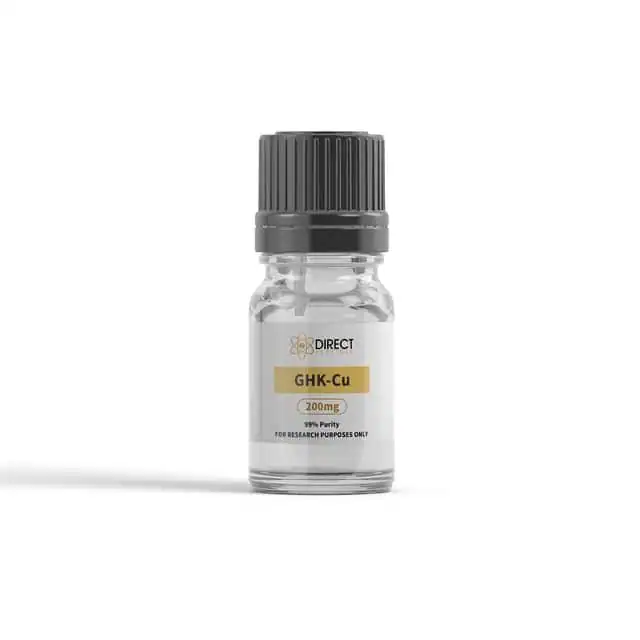
Copper peptides, particularly GHK-Cu, are widely studied for their role in skin repair and regeneration.
GHK-Cu has been shown to support wound healing, and research has explored its relationship with collagen remodelling, wound repair, and extracellular matrix maintenance, making it one of the more extensively studied cosmetic peptides.
GHK-Cu Peptide has been linked to enhanced skin remodelling and tissue repair, with positive effects on overall skin structure.
While collagen peptides are used for skin health, the body also produces collagen through normal biological processes. Certain nutrients and lifestyle factors support collagen synthesis and skin structure.
Vitamin C is an essential cofactor in collagen synthesis and a cofactor for several enzymes involved in collagen biosynthesis. It supports the hydroxylation of proline and lysine, which are required for the stable structure of collagen.
Collagen is made up of amino acids such as glycine and proline. These amino acids act as building blocks for collagen and are required for its formation in connective tissue.
Skin structure depends on proper hydration, and adequate skin hydration help maintain normal skin function and elasticity. Hydration supports the structural environment where collagen is present.
Ultraviolet (UV) exposure leads to collagen breakdown and contributes to changes in skin structure. Protecting the skin from UV exposure helps limit collagen degradation.
For now, currently available clinical evidence does not support the conclusion that collagen peptides directly induce acne. Abundant sebum production, follicular plugging, bacterial proliferation, inflammation in the dermis and epidermis, hormonal regulation, and genetic predisposition contribute to the initial stages of acne formation. True, isolated experiences, even so-called “anecdotal evidence”, don’t establish a cause-and-effect relationship, but some will notice changes after adding something new.
Collagen peptides continue to be investigated for their potential role in supporting skin hydration, elasticity, and overall skin structure. Topical peptides such as GHK-Cu and PAL-GHK are also being explored for their involvement in skin remodelling and cosmetic repair, although further high-quality clinical research is needed to clarify their role in improving acne-related scarring.
Overall, current evidence suggests that collagen peptides are generally well tolerated and should not be regarded as a recognised cause of acne based on the available scientific literature.
(1) Al-Atif H. Collagen Supplements for Ageing and Wrinkles: A Paradigm Shift in the Fields of Dermatology and Cosmetics. Dermatol Pract Concept. 2022 Jan 1;12(1):e2022018.
(2) Pickart L, Margolina A. Regenerative and Protective Actions of the GHK-Cu Peptide in the Light of the New Gene Data. Int J Mol Sci. 2018 Jul 7;19(7):1987.
(3) Pickart L, Vasquez-Soltero JM, Margolina A. GHK Peptide as a Natural Modulator of Multiple Cellular Pathways in Skin Regeneration. Biomed Res Int. 2015;2015:648108.
(4) He X, Gao X, Guo Y, Xie W. Research Progress on Bioactive Factors against Skin Ageing. Int J Mol Sci. 2024 Mar 28;25(7):3797.
(5) Pintea A, Manea A, Pintea C, Vlad RA, Bîrsan M, Antonoaea P, Rédai EM, Ciurba A. Peptides: Emerging Candidates for the Prevention and Treatment of Skin Senescence: A Review. Biomolecules. 2025 Jan 9;15(1):88.
Shop ALL Peptide Vials from Direct Peptides today, your trusted supplier of premium clinical-grade peptides online.
Current clinical evidence does not identify collagen peptides as a direct cause of acne. Although some individuals report breakouts after introducing a collagen supplement, these observations have not been shown to establish a causal relationship. Acne is more strongly associated with sebum production, follicular blockage, bacterial activity, hormonal influences, and inflammation.
There is currently no convincing evidence that collagen peptides directly increase sebum production or stimulate the hormonal pathways commonly associated with acne. If changes in skin oiliness occur after starting a supplement, other dietary, hormonal, or environmental factors should also be considered.
Individual responses to nutritional supplements can vary, but current clinical research has not established collagen peptides as a recognised trigger for acne. In some cases, changes may relate to other ingredients within the supplement formulation rather than collagen itself. Monitoring individual response may help determine whether the timing is coincidental or warrants further investigation.
Marine collagen is generally well tolerated in published studies. Individuals with a known fish allergy or sensitivity should avoid marine-derived products, but allergic reactions should not be confused with acne. Current evidence does not indicate that marine collagen is more likely than other collagen sources to trigger acne.
Collagen peptides are not hormones. Moreover, there is currently no evidence of a direct influence of dietary collagen or amino acids on the hormonal pathways involved in acne pathogenesis. Studies have chiefly concentrated on their influence as nutritional and structural components, rather than as active endocrine hormones.
Because current evidence does not establish collagen peptides as a direct cause of acne, there is no recognised timeframe for collagen-related breakouts. If skin changes occur after introducing any new supplement, individual factors and other potential causes should also be considered.
Topical peptides such as GHK-Cu and PAL-GHK are being investigated for their potential roles in skin remodelling, collagen-related processes, and cosmetic repair. Although these properties have generated interest in acne scar research, evidence remains limited and further clinical studies are required before firm conclusions can be drawn.
Oral collagen peptides and topical peptides serve different purposes and should not be viewed as direct alternatives. Current evidence does not indicate that oral collagen increases acne risk, while topical peptides are being investigated for cosmetic applications related to skin remodelling and overall skin appearance.
If skin changes appear after introducing a collagen supplement, reviewing the formulation, monitoring individual response, and considering other possible contributing factors may be helpful. Current evidence does not identify a specific collagen dose or source as a recognised cause of acne.
Several compounds, including topical peptides, vitamin C, and other ingredients involved in normal collagen synthesis, continue to be investigated in cosmetic and nutritional research. Each works through distinct biological mechanisms, and none should be considered a direct substitute for collagen without careful consideration of the available scientific evidence.
Ipamorelin vs GHRP-2 : Which Peptide Shows More Targeted GH Release? Growth hormone research includes peptides that influence how and

How Orexin A Peptide May Impact Mood, Energy, and Focus? Orexin A Peptide is a neuropeptide that researchers study for

The Synergy of Semax and Selank : A Breakthrough in Peptide Therapy Peptide therapy is becoming an important part of

How Do Peptides Work for Wound Healing, Tissue Regeneration And Promote Recovery? Peptides have been investigated for their potential influence