


Ipamorelin vs GHRP-2 : Which Peptide Shows More Targeted GH Release? Growth hormone research includes peptides that influence how and

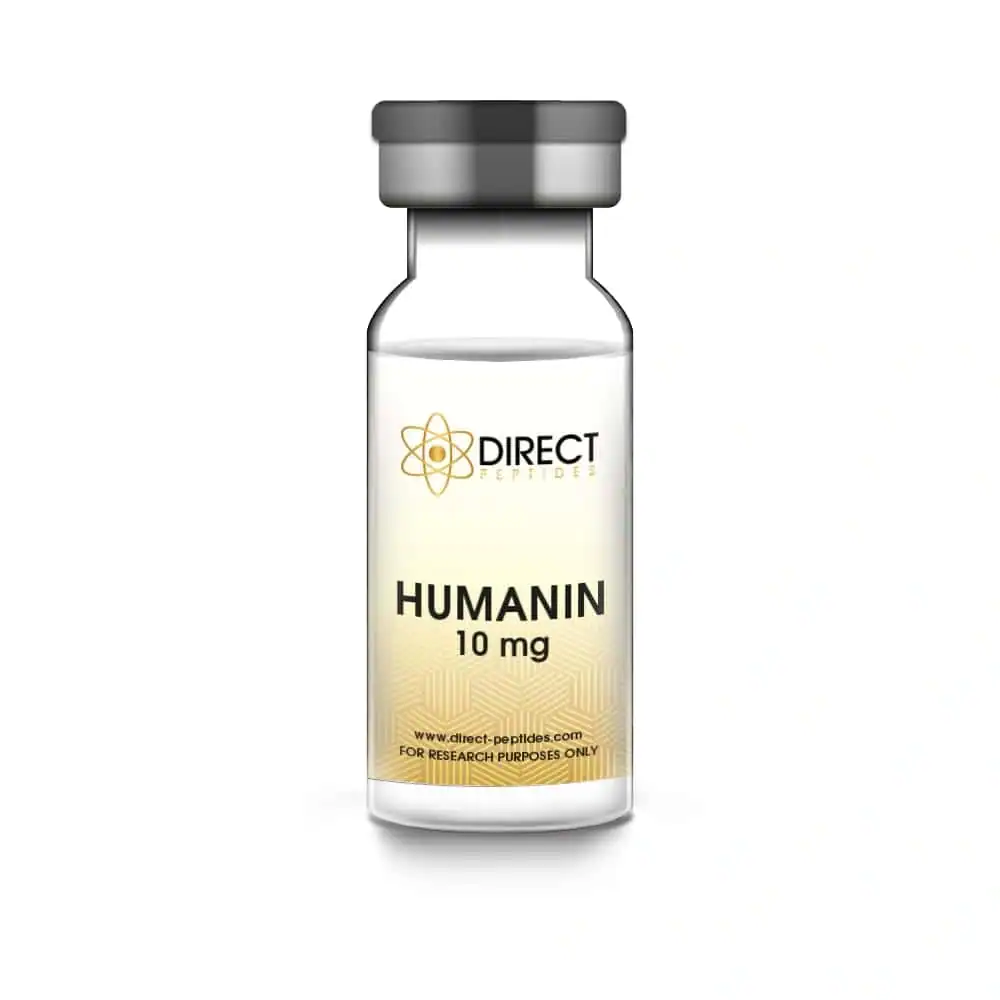
Humanin has become an important topic in brain health research because of its potential role in protecting nerve cells under conditions of cellular stress. Most published work comes from laboratory and preclinical studies, in which researchers have examined its relationship with neuronal survival, cognitive function, and healthy brain ageing in models of neurodegenerative disease.
This article from Direct Peptides , examines how Humanin has been investigated in relation to neuroprotection, cognitive function, and healthy brain ageing, along with evidence from current research.
Explore Humanin Peptide from Direct Peptides , a mitochondria-derived peptide studied for neuroprotection, cognitive function, and healthy brain ageing research.
One of the earliest areas of Humanin research examined whether the peptide could protect neurons from the harmful effects of amyloid-beta (Aβ), a protein strongly associated with Alzheimer’s disease pathology. Since then, researchers have continued to investigate Humanin in experimental models of neurodegeneration, although most of the evidence remains preclinical.
Studies suggest Humanin is associated with lower oxidative stress and may influence mitochondrial activity, two areas that continue to be investigated for their relationship with neuronal survival and cellular energy metabolism.
Research also suggests Humanin may influence apoptosis (programmed cell death), a process involved in neuronal loss during neurodegenerative disease.
In laboratory models, humanin demonstrates neuroprotective and cytoprotective effects in the context of mitochondrial dysfunction, neuroinflammation, and protein aggregation, which are commonly associated with age-related cognitive decline and brain disorders.
Explore Peptide Supplies at Direct Peptides for all your reconstitution requirements.
Humanin peptide has been studied for its effects on memory and cognitive performance during ageing. Studies in aged mice found that humanin improved cognitive performance and helped maintain normal brain function during ageing.
Research also reported improvements in learning ability, spatial memory, and overall cognitive function in laboratory models during age-related cellular stress.
These findings come from preclinical models and have been associated with neuronal survival and mitochondrial function during ageing.
Research has shown that Humanin levels tend to decline with age, and lower levels have been associated with faster cognitive decline in some studies involving older adults.
Research has also reported improvements in learning ability, spatial memory and overall cognitive function in laboratory models exposed to age-related cellular stress.
Additional studies have reported lower Humanin levels in age-related conditions associated with cognitive decline, including Alzheimer’s disease and other neurodegenerative disorders.
Other research peptides being studied for their potential effects on brain health and cognitive support include:
Experimental research has explored these peptides for their possible roles in neuroprotection, cognitive function, and overall brain health.
Discover Selank from Direct Peptides , a neuroactive peptide researched for stress regulation, GABA signalling, and cognitive support without sedation.

Selank acts primarily by modulating GABA-A receptor activity. Thereby helping regulate the brain’s response to stress and neural excitability. Research has shown calming (anxiolytic) and cognitive-support effects without sedation.
It also appears to influence neurotransmitter systems involving serotonin and dopamine, both of which play important roles in mood, attention and brain signalling.
Some studies suggest Selank may influence BDNF levels in the hippocampus, a protein involved in learning and memory.
It also appears to affect key brain chemical systems, such as serotonin and dopamine, which are involved in mood, focus, and overall brain signalling.
There’s also evidence that it can influence gene activity related to stress and immune signalling, which may affect how the brain responds under pressure.
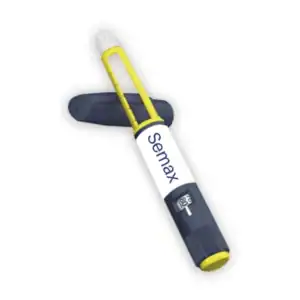
Semax has been studied for its effects on attention, working memory and cognitive performance in animal studies and a limited number of human investigations. Preclinical research has reported improvements in learning and memory tasks, including maze-based and object-recognition tests in rodents.
Research suggests Semax may affect BDNF (brain-derived neurotrophic factor) activity in the hippocampus, a region of the brain involved in learning, memory, and synaptic function.
It has also been reported to influence dopamine and serotonin signalling pathways, which play important roles in attention, focus and cognitive function.
Check out Semax from Direct Peptides , a peptide studied for its effects on attention, memory, focus, and BDNF-related cognitive pathways.

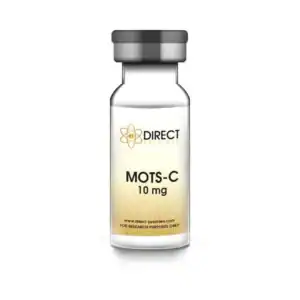
MOTS-c is a mitochondria-derived peptide encoded by the MT-RNR1 gene and is studied for its role in cellular energy regulation. Research suggests it can influence the AMPK pathway, a key regulator of energy balance that helps coordinate glucose metabolism and cellular responses to metabolic stress.
Preclinical research suggests MOTS-c may help cells adapt to metabolic stress by influencing energy metabolism and glucose utilisation.
Scientists have also studied MOTS-c for its potential role in brain health. Animal studies have linked the peptide to reduced neuroinflammation and protection against stress-related neuronal damage.
Some studies have also linked MOTS-c to improved learning and memory during metabolic or inflammatory stress, possibly through its effects on cellular energy metabolism and mitochondrial function.
Shop MOTS-c from Direct Peptides , a mitochondria-derived peptide researched for cellular energy regulation, AMPK signalling, and metabolic stress response.
Humanin and related peptides , including Selank, Semax and MOTS-c, continue to attract research interest, although most of the available evidence still comes from laboratory and preclinical studies. Current work focuses on understanding how these peptides interact with brain signalling, cellular stress responses, and energy metabolism, and whether these findings can be reproduced in future clinical research.
Although the findings from laboratory studies are encouraging, evidence in humans remains limited. Future research will help determine how these observations translate beyond experimental settings.
Overall, this remains a developing area of research, with ongoing interest in how peptide-based pathways relate to brain health and ageing.
(1) Karachaliou CE, Livaniou E. Neuroprotective Action of Humanin and Humanin Analogues: Research Findings and Perspectives. Biology (Basel). 2023 Dec 16;12(12):1534.
(2) Kim SJ, Miller B, Kumagai H, Silverstein AR, Flores M, Yen K. Mitochondria-derived peptides in ageing and age-related diseases. Geroscience. 2021 Jun;43(3):1113-1121.
(3) Yen K, Wan J, Mehta HH, Miller B, et al. Humanin Prevents Age-Related Cognitive Decline in Mice and is Associated with Improved Cognitive Age in Humans. Sci Rep. 2018 Sep 21;8(1):14212.
(4) Kasian A, Kolomin T, Andreeva L, Bondarenko E, et al. Peptide Selank Enhances the Effect of Diazepam in Reducing Anxiety in Unpredictable Chronic Mild Stress Conditions in Rats. Behav Neurol. 2017;2017:5091027.
(5) Radchenko AI, Kuzubova EV, Apostol AA, Mitkevich VA, et al. The Potential of the Peptide Drug Semax and Its Derivative for Correcting Pathological Impairments in the Animal Model of Alzheimer’s Disease. Acta Naturae. 2025 Oct-Dec;17(4):110-120.
(6) Mohtashami Z, Singh MK, Salimiaghdam N, Ozgul M, Kenney MC. MOTS-c, the Most Recent Mitochondrial-Derived Peptide in Human Ageing and Age-Related Diseases. Int J Mol Sci. 2022 Oct 9;23(19):11991.
Humanin has been studied for its potential to protect brain cells from amyloid-beta toxicity, oxidative stress and apoptosis, all of which are associated with neurodegeneration. It has also been investigated for its interactions with mitochondrial function and cell-survival pathways, which may help neurons respond to stress-related damage.
It is not yet clear how efficiently Humanin crosses the blood-brain barrier. Some studies suggest that its availability in the brain may vary with ageing or disease, while others have focused on delivery strategies to improve its distribution to brain tissue.
Humanin is often included in research on healthy ageing and longevity because its circulating levels tend to decline with age. Much of the published work has explored its relationship with mitochondrial biology, cellular stress responses and pathways associated with age-related disease, although most of the evidence remains preclinical.
Animal studies suggest MOTS-c may influence learning and memory during periods of metabolic or inflammatory stress. These findings have been linked to changes in cellular energy regulation, AMPK signalling and neuroinflammatory pathways, although they have not yet been confirmed in clinical studies.
Humanin and MOTS-c are both mitochondria-derived peptides, but they are investigated for different biological roles. Humanin is more closely associated with neuroprotection, cellular survival and healthy ageing research, whereas MOTS-c is primarily studied in relation to metabolism, cellular energy regulation and AMPK signalling. Much of the available evidence for both peptides comes from laboratory and preclinical research.
Yes. Mitochondrial dysfunction has been associated with changes in cellular energy production, oxidative stress and other biological processes involved in normal brain function. These changes have been linked to cognitive ageing and several neurodegenerative disorders, including Alzheimer’s disease, although they represent only part of a much more complex disease process.
Ipamorelin vs GHRP-2 : Which Peptide Shows More Targeted GH Release? Growth hormone research includes peptides that influence how and

How Orexin A Peptide May Impact Mood, Energy, and Focus? Orexin A Peptide is a neuropeptide that researchers study for

The Synergy of Semax and Selank : A Breakthrough in Peptide Therapy Peptide therapy is becoming an important part of

How Do Peptides Work for Wound Healing, Tissue Regeneration And Promote Recovery? Peptides have been investigated for their potential influence