The Benefits of Decapeptide-12 : How Can It Help Your Ageing Skin? As the years go by, our skin undergoes

There is a well-known association between natural human GH and body composition. HGH supports protein synthesis and helps promote the breakdown of stored fat for energy, both of which can influence muscle mass and fat levels.
Dietary and lifestyle factors may also affect the body’s growth hormone activity through interactions with the GH–IGF-1–insulin system. This process is linked with metabolic regulation and weight management. In the following sections, we look at the ideal HGH diet plan and the key nutrients involved in supporting growth hormone regulation.
Explore HGH Fragment 176-191 from Direct Peptides.
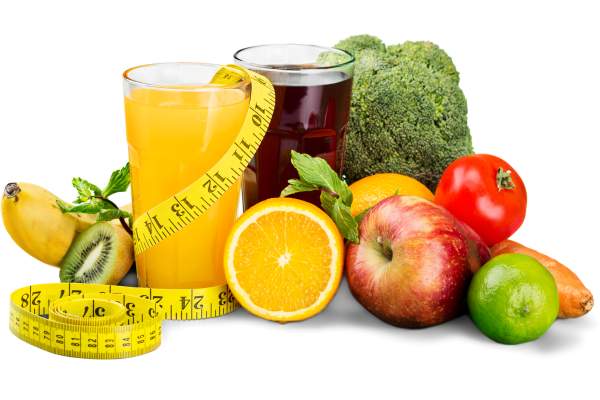
HGH, also known as Human Growth Hormone, is a peptide hormone naturally produced by the pituitary gland. It plays a key role in regulating body composition, fluid balance, muscle and bone growth, and metabolism, including the processing of sugars and fats.
HGH Fragment 176-191: This is a modified segment of amino acids 176–191 from the full HGH molecule, studied for its role in fat metabolism and lipolysis.
hgh191aa: This refers to the full-length 191–amino acid form of human growth hormone, which is structurally identical to the naturally occurring hormone produced by the pituitary gland.
Check out HGH191aa peptide now.
A distinct Human GH diet is influenced by nutrients, meal timing, and exercise. In most cases, a balanced combination of positive proteins, fat, and carbohydrates, along with an exercise regimen, works best.
The Principles of an Ideal Human GH Diet Plan
Intermittent Fasting: Intermittent fasting may change how growth hormone is released in the body.
Exercise: Exercise can raise GH levels for a short time during and after physical activity. The effect may vary based on workout intensity and duration.
Growth hormone responses vary across individuals and are influenced by factors such as nutritional status, metabolic condition, and activity level.

The activity of growth hormone system is modulated by components from dietary intake via GH–IGF-1–insulin interactions. The regulation caused by proteins, fatty acids, and carbohydrates is through metabolic signaling rather than enhancement in HGH synthesis.
Protein supplies the amino acids needed for tissue growth and repair, including muscle maintenance and recovery. Increased protein intake has been linked with higher IGF-1 levels, which are linked with many of the effects connected to growth hormone.
Healthy fats, including omega-3 and omega-6 fatty acids, contribute to energy balance and metabolic signaling, which interact with growth hormone function and lipid metabolism.
These fats also support cardiovascular health, inflammation control, and brain function. Foods such as avocados, nuts, seeds and fatty fish can be included as part of a balanced diet.
A double-blind, placebo-controlled study looked at how human growth hormone affected body composition and performance in recreational athletes. Those who got GH had more lean body mass and less fat than the placebo group. However, gains in strength and performance were small. The main changes were in body composition, not performance, even with diet and exercise.
A controlled study from Ho et al. (1988) looked at the relationship between fasting and human GH levels. During the fasting period, researchers observed higher HGH secretion along with stronger and more frequent release pulses. The findings showed that fasting may influence natural GH activity and hormonal responses connected with energy metabolism.
Explore Peptide Supplies at Direct Peptides for all your reconstitution requirements.
Human Growth Hormone plays several important biological roles in several processes related to metabolism, muscle maintenance and energy balance. Research suggests that dietary habits and lifestyle factors may influence natural HGH activity, particularly through balanced nutrition, regular exercise, and fasting-related metabolic responses.
Protein, healthy fats, and complex carbohydrates all play a part in normal metabolism and hormone balance. Studies have also explored how HGH activity may relate to muscle growth, body composition and overall metabolic health.
Human GH remains an active area of interest in research related to metabolism, recovery and body composition. At the same time, maintaining a balanced diet and consistent lifestyle habits is still considered important for overall health.
Research in this field often focuses on the combined effects of nutrition, exercise, meal timing, and long-term routine rather than any single dietary factor alone. Findings also continue to show that gradual lifestyle changes and consistency are more closely associated with sustainable long-term results.
(1) Udo Meinhardt, Anne E Nelson, Jennifer L Hansen, et al (2010) The effects of growth hormone on body composition and physical performance in recreational athletes: a randomized trial – Annals of Internal Medicine, 2010 May 4, Volume 152 (Issue 9), Pages 568-77.
(2) K Y Ho, J D Veldhuis, M L Johnson, R Furlanetto, et al (1988) Fasting enhances growth hormone secretion and amplifies the complex rhythms of growth hormone secretion in man – Journal of Clinical Investation, 1988 Apr, Volume 81 (Issue 4), Pages 968-75.
(3) Johannes D Veldhuis, James N Roemmich, Erick J Richmond, Alan D Rogol, et al (2005) Endocrine control of body composition in infancy, childhood, and puberty – Endocrine Reviews, 2005 Feb, Volume 26 (Issue 1), Pages 114-46.
(4) A Giustina and J D Veldhuis (1998) Pathophysiology of the neuroregulation of growth hormone secretion in experimental animals and the human – Endocrine Reviews, 1998 Dec, Volume 19 (Issue 6), Pages 717-97.
(5) K Y Ho, W S Evans, R M Blizzard, J D Veldhuis, et al (1987) Effects of sex and age on the 24-hour profile of growth hormone secretion in man: importance of endogenous estradiol concentrations – Journal of Clinical Endocrinology & Metabolism, 1987 Jan, Volume 64 (Issue 1), Pages 51-8.
(6) Michael Højby Rasmussen (2010) Obesity, growth hormone and weight loss – Molecular and Cellular Endocrinology, 2010 Mar 25, Volume 316 (Issue 2), Pages 147-53.
By encouraging fat metabolism, boosting lean muscle mass, and enhancing cell regeneration, human growth hormone aids in dieting and promotes better body composition and healthier weight loss.
Instead of concentrating only on calorie restriction, the HGH diet plan emphasizes balanced macronutrients, strategic meal timing (such as intermittent fasting), and exercise techniques that specifically stimulate natural human GH production.
Indeed, intermittent fasting can raise natural human GH levels considerably. In order to maintain lean muscle and support fat metabolism, the body releases more HGH when you fast because insulin levels fall. Studies like the Ho et al. (1988) study [2] demonstrate that HGH secretion can increase significantly during times of fasting. Because of this, intermittent fasting is a useful tactic for boosting the body’s natural production of HGH and assisting with weight loss.
Each nutrient makes a unique contribution. For example, complex carbohydrates maintain stable blood sugar levels, which promote the release of HGH; healthy fats support the production of hormones, including human GH; and proteins supply amino acids for tissue growth.
No, synthetic human growth hormone is not necessary for most people. Anecdotal case studies have demonstrated that significant results, like improved energy, fat loss, and muscle growth, can be achieved naturally through diet, exercise, and lifestyle changes. Synthetic human GH is only for research purposes and should only be used under a doctor’s supervision due to potential risks.
While resistance training and high-intensity interval training (HIIT) have been shown to provide the biggest natural human GH boost, regular brisk walking and cycling also help boost HGH levels.
Yes, when you eat matters. You can improve insulin sensitivity and boost natural human GH release by spacing out your meals, skipping late-night snacks, and using fasting windows.
Indeed. An HGH-supportive diet can help maintain or even increase lean muscle while lowering body fat because human growth hormone promotes tissue repair and muscle growth.
The Benefits of Decapeptide-12 : How Can It Help Your Ageing Skin? As the years go by, our skin undergoes

Do Peptides Really Work on Ageing Skin? Ageing is an inevitable process, and one of the biggest concerns associated with

How Does Snap-8 Improve Skin Texture ? Snap-8 and skin texture have become a major focus in peptide research. Researchers

Discover The Best Peptides For Energy Researchers have long been interested in peptides and their role in human vitality. These