
The Benefits of Decapeptide-12 : How Can It Help Your Ageing Skin? As the years go by, our skin undergoes

Oxytocin, also known as the “love hormone,” is a naturally occurring peptide and neurohormone produced in the brain that plays an important role in social bonding. It is released during experiences such as touch, trust, intimacy, and emotional closeness, helping support social connection and attachment.
Research suggests that oxytocin may support bonding in romantic relationships, friendships, and parent–child attachment by influencing trust, emotional responsiveness, and social perception.
Instead, oxytocin acts as a neuromodulator that interacts with dopamine and stress-response systems to influence how people interpret social cues and respond emotionally in relationships.
Explore Oxytocin from Direct Peptides , a neuropeptide known for its role in promoting trust, social bonding, and emotional regulation in various behavioral studies.

Oxytocin influences trust-related behavior by affecting social bonding, emotional processing, and social interaction. Research shows that oxytocin can increase trust and social engagement in some situations, though findings are mixed.
Studies also associate oxytocin peptide with reduced stress responses and increased perceptions of social safety during positive social interaction. Reported effects on this peptide vary based on personality traits, attachment patterns, and social environment.
Explore Peptide Supplies at Direct Peptides for all your reconstitution requirements.
Oxytocin is involved in social cognition and social behavior. Research shows it can influence how people process emotional and social cues.
Studies report that oxytocin may improve recognition of facial expressions, increase attention to emotional faces, and enhance some aspects of emotional empathy.
Oxytocin has also been associated with prosocial behaviors, including trust, bonding, cooperation, and social approach behavior.
Current evidence shows these effects are modest and context dependent. Responses can vary based on personality traits, sex, social environment, and individual differences. Oxytocin does not consistently increase empathy or prosocial behavior in all situations.
Oxytocin is involved in pair bonding and romantic attachment. Human and animal studies associate oxytocin signaling with social bonding, partner-directed behavior, and interactive reciprocity in romantic relationships.
Studies show that individuals in new romantic relationships show higher circulating oxytocin levels than single individuals. Higher oxytocin levels have also been associated with affectionate touch, positive interaction patterns, and increased focus on romantic partners.
Research also shows that this peptide is involved in stress-response regulation during socially relevant partner interactions. Reported effects vary according to attachment style, social context, sex, and individual biological factors.
Current evidence in humans is primarily correlational and does not establish that oxytocin alone determines relationship quality or long-term relationship stability.
Oxytocin is involved in parent-child bonding and caregiving behavior. Oxytocin release increases during childbirth, breastfeeding, skin-to-skin contact, and early parent-infant interaction.
Research shows that higher oxytocin levels in mothers are associated with affectionate contact, responsiveness, synchrony, and caregiving behaviors during infant interaction.
Studies also report that fathers show increased oxytocin levels during close interaction with their children, which has been associated with engagement, physical interaction, and bonding-related behaviors.
Oxytocin is also associated with stress regulation and social bonding during family interaction. Reported effects vary based on individual biological and social factors.
Stress can affect emotional connection in relationships. Oxytocin is associated with stress regulation and can influence responses during social interactions.
Research shows that oxytocin can reduce stress and anxiety in certain contexts and may lower cortisol levels, although these effects are not consistent across all conditions.
Through its role in social bonding and stress modulation, oxytocin may support more balanced responses during conflict and interaction, but outcomes depend on context and individual factors.
Oxytocin influences social bonding, social recognition, and affiliative behavior. Research links oxytocin signaling with cooperation and positive social interaction.
Studies show that oxytocin can affect the processing of emotional and social cues, including attention to facial expressions, eye contact, and socially relevant signals.
Research also associates oxytocin with in-group bonding and prosocial behavior during social interaction. Reported effects vary across individuals and social situations.
Oxytocin is involved in emotional regulation and stress-response processes. Research associates oxytocin signaling with reduced anxiety and stress-buffering effects in certain situations.
Studies show that perceived social safety and supportive social interaction can influence oxytocin activity and emotional processing. Oxytocin also affects the processing of social and emotional cues.
Further research on this peptide links it with trust-related behavior, social bonding, and physiological stress regulation, which may support emotional well-being over time. Reported effects vary across individuals and social conditions.
While oxytocin plays a major role in social bonding, other neuropeptides also regulate social behavior and interpersonal interaction. Research shows that peptides such as vasopressin influence emotional processing, stress responses, social recognition, and affiliative behavior through related neural and hormonal pathways.
Together, they help shape how social connections are formed, maintained, and experienced.

Reproductive hormones are regulated by the kisspeptin peptide through control of GnRH signaling. Brain regions involved in sexual and emotional processing are also affected by kisspeptin.
Research shows that kisspeptin enhances responses to sexual and bonding-related cues, supporting attraction and partner-related processing. These effects reflect changes in neural activity rather than direct measures of emotional intimacy.
Kisspeptin influences mechanisms linked to sexual motivation and attraction, making it relevant to processes involved in romantic interaction.
Explore Kisspeptin from Direct Peptides , a key peptide involved in regulating reproductive hormones and facilitating emotional and sexual bonding in scientific research.
Selank is a peptide with established anxiolytic effects. It influences neurotransmitter systems such as GABA, serotonin, and dopamine, which regulate stress and anxiety.
Research shows that Selank reduces anxiety and stress responses and supports a calmer behavioral state. These effects result from its action on neural pathways rather than direct changes in social or emotional outcomes.
Selank modulates anxiety-related processes and supports more stable emotional responses, although current evidence does not directly establish effects on social interaction or relationships.
Discover Selank from Direct Peptides , a peptide with anxiolytic properties, often studied for its ability to reduce stress and support cognitive function in clinical trials.
Semax is known for its cognitive-enhancing effects, particularly in memory, learning and neuroprotection. It influences neurotrophic factors such as BDNF, which support brain function.
Research shows that Semax improves aspects of cognitive performance and neural activity. These effects relate to brain function and do not directly establish outcomes in social interaction or communication.
Semax supports cognitive processes that are important for attention and information processing, based on its effects on neural pathways.
Learn about Semax from Direct Peptides , a cognitive-enhancing peptide that has shown potential in improving memory, focus, and neuroprotection in scientific studies.
Oxytocin affects attachment, emotional regulation, and social behavior in different relationships. It also changes how people experience social connection over time.
Other peptides, such as Kisspeptin, Selank, and Semax, work through different neural and hormonal systems tied to emotion, the stress response, and cognition. Each peptide affects separate processes involved in interaction and connection.
Researchers continue to examine how these peptides interact within larger biological systems. Existing studies link them to emotional processing and behavioral patterns connected to long-term relationships.
(1) Churchland PS, Winkielman P. Modulating social behavior with oxytocin: how does it work? What does it mean? Horm Behav. 2012 Mar;61(3):392-9.
(2) Macdonald K, Macdonald TM. The peptide that binds: a systematic review of oxytocin and its prosocial effects in humans. Harv Rev Psychiatry. 2010 Jan-Feb;18(1):1-21.
(3) Striepens N, Kendrick KM, Maier W, Hurlemann R. Prosocial effects of oxytocin and clinical evidence for its therapeutic potential. Front Neuroendocrinol. 2011 Oct;32(4):426-50.
(4) Clarke H, Dhillo WS, Jayasena CN. Comprehensive Review on Kisspeptin and Its Role in Reproductive Disorders. Endocrinol Metab (Seoul). 2015 Jun;30(2):124-41.
(5) Kasian A, Kolomin T, Andreeva L, Bondarenko E, Myasoedov N, Slominsky P, Shadrina M. Peptide Selank Enhances the Effect of Diazepam in Reducing Anxiety in Unpredictable Chronic Mild Stress Conditions in Rats. Behav Neurol. 2017;2017:5091027.
(6) Medvedeva EV, Dmitrieva VG, Povarova OV, Limborska SA, Skvortsova VI, Myasoedov NF, Dergunova LV. The peptide semax affects the expression of genes related to the immune and vascular systems in rat brain focal ischemia: genome-wide transcriptional analysis. BMC Genomics. 2014 Mar 24;15:228.
Discover the full range of Peptide Vials with 99% purity from Direct Peptides , a trusted global supplier of premium research peptides.
Oxytocin can affect males and females differently due to interactions with sex hormones and brain signaling pathways. Research shows males may experience stronger reductions in stress responses, while females may show more context-dependent emotional effects. These differences depend on hormonal environment, social context, and individual neurobiology rather than a single uniform response.
Oxytocin supports trust by reducing fear responses and increasing sensitivity to social cues. Research suggests it does not directly create trust, but instead lowers social threat perception, which can allow trust related behaviors to emerge under supportive conditions. Its effects depend on context, prior experience, and environmental signals.
Oxytocin plays a key supporting role in emotional bonding by reinforcing affiliative behaviors and social reward pathways. Studies link oxytocin signaling to attachment, pair bonding and caregiver bonding. However, emotional bonding results from multiple biological and psychological systems, with oxytocin acting as one important contributing factor rather than the sole cause.
Oxytocin may indirectly support communication by enhancing emotional recognition and reducing defensive stress responses. Research shows oxytocin can increase attention to social cues and empathy related processing, which are essential for clear interaction. While it does not directly improve communication skills, it supports the neurobiological conditions that allow calmer and more effective exchanges.
Oxytocin shows anxiolytic effects in social contexts by modulating fear and stress pathways in the brain. Research indicates it may reduce social threat perception and promote emotional regulation in certain conditions. Results vary across studies, suggesting oxytocin can support reduced social anxiety responses but does not act uniformly across all settings.
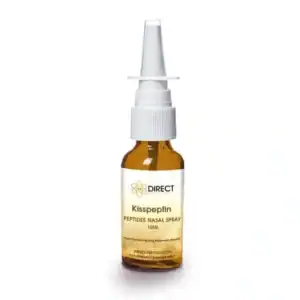
Kisspeptin Nasal Spray
Price range: £27.94 through £50.88 Select options This product has multiple variants. The options may be chosen on the product page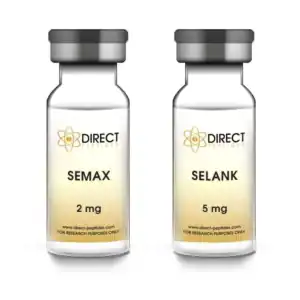
Semax Selank Peptide Stack
Price range: £29.50 through £38.42 Select options This product has multiple variants. The options may be chosen on the product page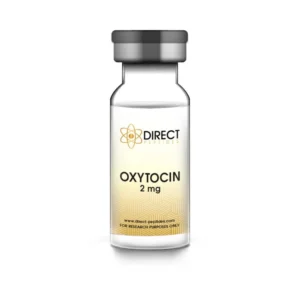
Oxytocin Peptide Vial 2mg
Price range: £8.43 through £17.41 Select options This product has multiple variants. The options may be chosen on the product page
Oxytocin Pre-Mixed Pen 2mg Peptide
Price range: £11.01 through £38.01 Select options This product has multiple variants. The options may be chosen on the product pageThe Benefits of Decapeptide-12 : How Can It Help Your Ageing Skin? As the years go by, our skin undergoes

Do Peptides Really Work on Ageing Skin? Ageing is an inevitable process, and one of the biggest concerns associated with

How Does Snap-8 Improve Skin Texture ? Snap-8 and skin texture have become a major focus in peptide research. Researchers

Discover The Best Peptides For Energy Researchers have long been interested in peptides and their role in human vitality. These