
Do Peptides Really Work on Ageing Skin? Ageing is an inevitable process, and one of the biggest concerns associated with

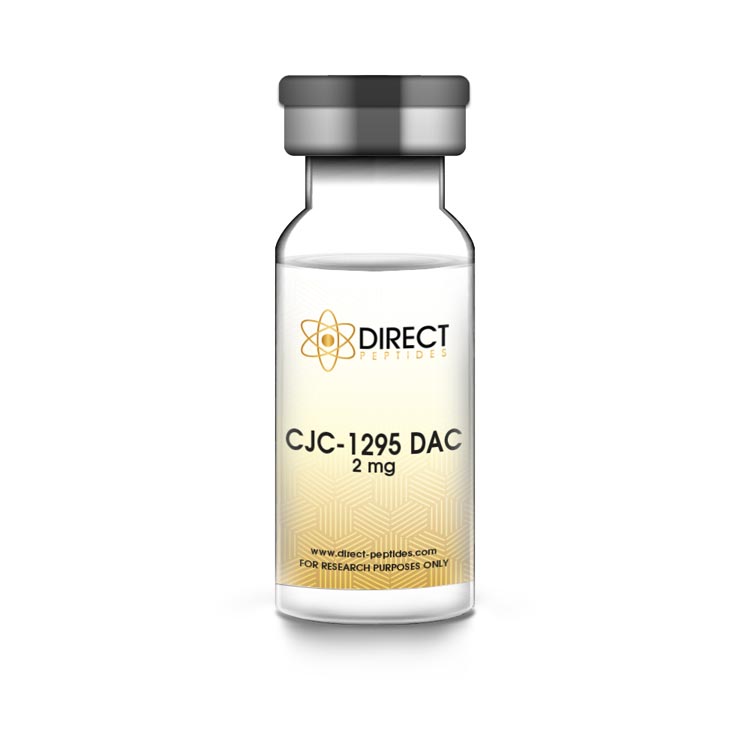
CJC-1295 is a synthetic peptide that acts on the anterior pituitary to increase growth hormone release. This differs from synthetic growth hormone injections, which release a large pulse of growth hormone, while CJC-1295 stimulates the body to produce its own growth hormone.
This prolonged release supports muscle growth, as growth hormone drives muscle repair, new tissue formation, and fat metabolism.
Research on CJC-1295 benefits shows improvements in lean muscle mass, faster recovery from workouts, and increased fat burning. These findings place CJC-1295 at the center of muscle growth research, where researchers study its effects on muscle physiology in animal and laboratory models.
However, it’s essential to emphasize that CJC-1295 is intended solely for research and is not approved for human use.
To understand these benefits, researchers first examine how CJC-1295 influences growth hormone release.
Explore CJC-1295 from Direct Peptides , a peptide that promotes steady growth hormone release to support muscle growth and recovery.

CJC-1295 binds to receptors in the pituitary gland and makes it release growth hormone slowly and steadily. One of the key CJC-1295 benefits is that it has a special change that makes it last for several days. This helps the body keep higher growth hormone levels for longer without needing doses often.
This is different from other growth hormone secretagogues, which cause quick, short spikes in growth hormone. The benefit of CJC-1295’s slow release is that it keeps a steady hormone level that helps muscles repair and grow. It copies the body’s natural growth hormone pulses.
Researchers see that these CJC-1295 benefits include not only more growth hormone but also more IGF-1 (Insulin-like Growth Factor 1), a strong hormone that helps muscle growth.
Explore Peptide Supplies at Direct Peptides for all your reconstitution requirements.
IGF-1 is produced mainly in the liver in response to growth hormone and also locally in muscle tissue, and acts directly on muscle cells. It promotes cell growth, proliferation, and protein synthesis, the building blocks of muscle growth. IGF-1 stimulates satellite cells, which are precursors to muscle cells, to repair and build new muscle fibers after damage from exercise.
The rise in IGF-1 levels is considered one of the better-known CJC-1295 benefits. In animal and cell studies, higher IGF-1 levels have been associated with muscle hypertrophy and improved recovery. IGF-1 is also involved in fat metabolism and bone density regulation, both of which are important for overall musculoskeletal health.
Because IGF-1 plays a major role in speeding up repair, it’s essential to delve deeper into the process of muscle recovery.
IGF-1 is produced mainly in the liver in response to growth hormone and also locally in muscle tissue, and acts directly on muscle cells. It promotes cell growth, proliferation, and protein synthesis, the building blocks of muscle growth. IGF-1 stimulates satellite cells, which are precursors to muscle cells, to repair and build new muscle fibers after damage from exercise.
The rise in IGF-1 levels, seen as one of the key cjc-1295 benefits, is linked to increased muscle hypertrophy and enhanced recovery in preclinical and mechanistic studies, particularly in animal and cell models. IGF-1 also plays a role in fat metabolism and bone density, making it a critical player in overall muscle health.
Because IGF-1 plays a major role in speeding up repair, it’s essential to delve deeper into the process of muscle recovery.
Muscle protein synthesis is the biological process by which the body uses amino acids to create new muscle proteins, repairing and growing muscle tissue. After exercise, especially resistance training, muscle fibers sustain micro-tears that require rebuilding, and resistance exercise stimulates a sustained increase in muscle protein synthesis.
Growth hormone and IGF-1 stimulate muscle protein synthesis through signaling pathways that increase protein synthesis and lower protein breakdown. That is why peptides like CJC-1295 are studied for their ability to elevate GH and IGF-1 levels in this area of research. Sustained muscle protein synthesis may help support muscle size, strength, and endurance over time.
Since muscle growth also involves energy metabolism, the next important area to explore is fat metabolism.
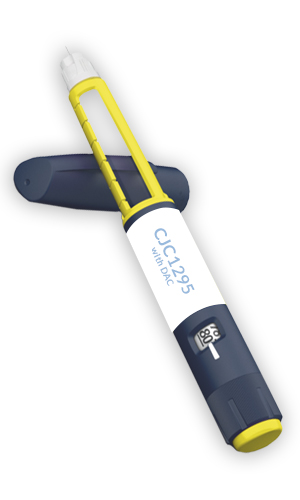
Growth hormone promotes lipolysis, the breakdown of fat stores into fatty acids that muscles can use for energy. By maintaining higher growth hormone levels, CJC-1295 indirectly supports fat metabolism, as it has been shown to increase growth hormone and IGF-1 levels by stimulating the GH axis.
Fat metabolism is especially important for athletes and individuals aiming for lean muscle gain. This dual benefit of muscle growth and fat metabolism is a significant part of the CJC-1295 benefits found in many research models, with growth hormone known to regulate substrate metabolism and promote fat utilization.
Besides CJC-1295, other peptides are studied for their complementary effects on muscle growth and recovery.
In muscle growth research, CJC-1295 benefits are often studied alongside other peptides like GHRP-6, Ipamorelin, and BPC-157 to create a comprehensive picture of how peptides influence muscle development and recovery.

This not only promotes powerful pulses of growth hormone but also increases appetite, as ghrelin receptor activation is known to regulate appetite and nutrient intake.
Researchers observe that the GHRP-6 benefits include enhanced muscle protein synthesis and improved nitrogen retention, both essential for muscle growth, through activation of the growth hormone axis and downstream anabolic signaling in research models. However, the increased hunger effect is a known side effect and is carefully monitored in studies.
Discover GHRP-6 from Direct Peptides , a potent growth hormone releaser that also stimulates appetite for enhanced muscle gain.
Ipamorelin is a peptide known for selectively stimulating growth hormone release without the side effects common to other peptides. It causes minimal increases in hunger or cortisol, as it does not significantly stimulate ACTH or cortisol secretion compared to other growth hormone-releasing peptides, making it a peptide of choice in research where steady GH levels are needed without unwanted hormonal disturbances.
Pairing Ipamorelin with CJC-1295 may support both steady and pulsatile growth hormone release, which is why the combination is often studied for muscle protein synthesis and recovery. Ipamorelin is also researched for its potential role in lean muscle growth and fat metabolism.
Explore Ipamorelin from Direct Peptides , a selective peptide that boosts growth hormone with minimal side effects for lean muscle support.
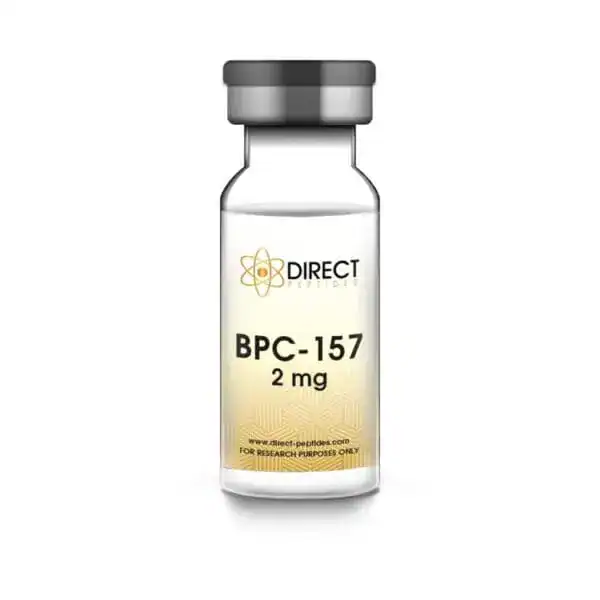
BPC-157 (Body Protection Compound-157) differs from the GH-releasing peptides. It focuses on accelerating tissue repair and recovery by promoting angiogenesis (formation of new blood vessels), cell migration, and reducing inflammation in preclinical studies.
This peptide has attracted attention in muscle growth studies for its potential to accelerate the healing of muscles, tendons, and ligaments in animal and laboratory research.
Its regenerative properties complement the CJC-1295 benefits by reducing downtime caused by injuries or intense training sessions. Faster recovery translates to better muscle gains and improved training consistency in research subjects.
Checkout BPC-157 from Direct Peptides , a regenerative peptide that accelerates healing of muscles, tendons, and ligaments.
Combining CJC-1295 with GHRP-6, Ipamorelin, and BPC-157 provides a multi-angle approach to muscle growth. While CJC-1295 maintains steady GH release, GHRP-6 delivers strong GH pulses, Ipamorelin provides selective GH stimulation, and BPC-157 supports tissue repair and recovery in preclinical research.
This synergy helps researchers investigate the combined effects of peptides on muscle growth and recovery. The combined peptides may enhance muscle protein synthesis, fat metabolism, and tissue repair, offering insights for future research applications.
CJC-1295 benefits position this peptide as a tool in muscle growth research due to its ability to stimulate prolonged growth hormone release. This supports muscle protein synthesis, recovery, and fat metabolism, which are key factors in muscle development.
When combined with peptides like GHRP-6, Ipamorelin, and BPC-157, researchers study how different pathways contribute to muscle growth, repair, and regeneration.
CJC-1295 and related peptides remain strictly for research purposes and are not approved for human use. Ongoing studies continue to explore their role in muscle loss and physical performance in clinical research.
CJC-1295 benefits highlight ongoing research into muscle growth and recovery.
(1) Teichman SL, Neale A, Lawrence B, Gagnon C, Castaigne JP, Frohman LA. Prolonged stimulation of growth hormone (GH) and insulin-like growth factor I secretion by CJC-1295, a long-acting analog of GH-releasing hormone, in healthy adults. J Clin Endocrinol Metab. 2006 Mar;91(3):799-805.
(2) Ionescu M, Frohman LA. Pulsatile secretion of growth hormone (GH) persists during continuous stimulation by CJC-1295, a long-acting GH-releasing hormone analog. J Clin Endocrinol Metab. 2006 Dec;91(12):4792-7.
(3) Alba M, Fintini D, Sagazio A, Lawrence B, Castaigne JP, Frohman LA, Salvatori R. Once-daily administration of CJC-1295, a long-acting growth hormone-releasing hormone (GHRH) analog, normalizes growth in the GHRH knockout mouse. Am J Physiol Endocrinol Metab. 2006 Dec;291(6):E1290-4.
(4) Berlanga-Acosta J, Abreu-Cruz A, Herrera DGB, Mendoza-Marí Y, Rodríguez-Ulloa A, García-Ojalvo A, Falcón-Cama V, Hernández-Bernal F, Beichen Q, Guillén-Nieto G. Synthetic Growth Hormone-Releasing Peptides (GHRPs): A Historical Appraisal of the Evidences Supporting Their Cytoprotective Effects. Clin Med Insights Cardiol. 2017 Mar 2;11:1179546817694558.
(5) Raun K, Hansen BS, Johansen NL, Thøgersen H, Madsen K, Ankersen M, Andersen PH. Ipamorelin, the first selective growth hormone secretagogue. Eur J Endocrinol. 1998 Nov;139(5):552-61.
Shop ALL research peptides from Direct Peptides , your trusted supplier of premium peptides worldwide.
CJC-1295 boosts muscle growth by increasing growth hormone and IGF-1 levels, essential for muscle hypertrophy. Higher GH levels may enhance protein synthesis, improve nutrient delivery to muscles, and speed up recovery after training. These effects help researchers study how CJC-1295 supports lean muscle development in controlled labs.
Research shows CJC-1295 may promote faster recovery by sustaining growth hormone release, helping tissues repair micro-tears caused by resistance training. GH and IGF-1 play key roles in reducing muscle damage, accelerating regeneration, and shortening downtime between training cycles. This makes CJC-1295 a popular subject in studies investigating improved muscle repair and long-term performance adaptations.
CJC-1295 may indirectly boost muscle protein synthesis by raising IGF-1 levels, which stimulate the formation of new muscle proteins after exercise. Protein synthesis is essential for repairing damaged fibers and increasing muscle size. Research suggests that sustained GH elevation from CJC-1295 can create an anabolic environment that supports consistent growth and improved strength over time.
Research suggests CJC-1295 may enhance training performance by improving recovery speed, increasing energy availability through fat metabolism, and supporting muscle repair. Better recovery allows for more frequent or intense training sessions, a key factor in progressive muscle growth. These outcomes are measured only in laboratory studies and controlled testing environments.
Workout recovery determines how effectively muscles adapt and grow. Research shows CJC-1295 may shorten recovery time by increasing GH and IGF-1 activity, helping muscles repair micro-damage faster. Faster recovery enables more consistent training frequency, a crucial component of progressive overload and long-term muscle hypertrophy.
TWIN PACKS
BPC-157 Capsules
Price range: £47.99 through £86.38 Select options This product has multiple variants. The options may be chosen on the product page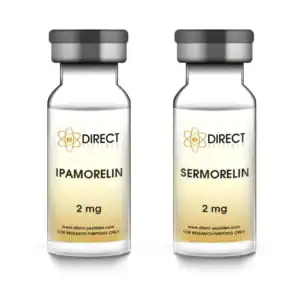
Ipamorelin Sermorelin Peptide Stack
Price range: £27.20 through £36.18 Select options This product has multiple variants. The options may be chosen on the product page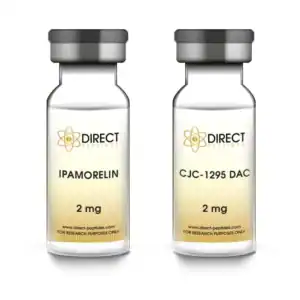
Ipamorelin CJC-1295 DAC Peptide Stack
Price range: £32.92 through £41.90 Select options This product has multiple variants. The options may be chosen on the product page
GHRP-6 & CJC-1295 Dac Blend Nasal Spray
Price range: £25.65 through £46.30 Select options This product has multiple variants. The options may be chosen on the product pageDo Peptides Really Work on Ageing Skin? Ageing is an inevitable process, and one of the biggest concerns associated with

How Does Snap-8 Improve Skin Texture ? Snap-8 and skin texture have become a major focus in peptide research. Researchers

The Benefits of Decapeptide-12 : How Can It Help Your Aging Skin? As the years go by, our skin undergoes

Discover The Best Peptides For Energy Researchers have long been interested in peptides and their role in human vitality. These