
Do Peptides Really Work on Aging Skin? Aging is an inevitable process, and one of the biggest concerns associated with

Interest in cognitive function and mental performance continues to grow, especially in areas related to focus, memory, and attention. Tesofensine has mainly been studied for weight management, but research also shows that it affects neurotransmitters such as dopamine, serotonin, and norepinephrine.
Tesofensine was originally developed for neurological conditions like Alzheimer’s and Parkinson’s disease before research shifted toward obesity treatment. However, clinical studies have not clearly shown that it improves cognitive function.
But can it really improve cognitive function? Let’s break down the science and explore how Tesofensine may support mental performance.

The brain depends on neurotransmitters like serotonin, dopamine, and norepinephrine to regulate focus, mood and overall brain activity. Research shows that Tesofensine works by blocking the reuptake of these neurotransmitters, which increases their activity in the brain.
This interaction increases neurotransmitter signaling in the brain. However, Tesofensine has not been shown to improve cognitive function.
As a result, Tesofensine benefits may include effects on brain activity and alertness through its action on neurotransmitters, but improvements in focus, memory retention and mental clarity are not well established in clinical studies.
Discover Tesofensine from Direct Peptides , a peptide that boosts cognitive function, memory, and mental clarity by enhancing neurotransmitter activity.
Understanding how serotonin, dopamine, and norepinephrine affect cognitive function is key to explaining tesofensine’s benefits. These neurotransmitters regulate many brain processes, and influencing them can affect brain activity and behavior.
These neurotransmitters act as chemical messengers that regulate communication between neurons and influence overall brain function.
Explore Peptide Supplies at Direct Peptides for all your reconstitution requirements.
Mood directly affects cognitive function. Stable mood supports attention, decision-making, and other cognitive processes, while disturbances such as stress, anxiety or depression can impair these functions. Tesofensine benefits relate to its action on serotonin, dopamine, and norepinephrine. These neurotransmitters regulate mood, behavior, and brain activity.

Tesofensine benefits relate to its effects on dopamine and norepinephrine in the brain. These neuro transmitters regulate attention and behavior.
Tesofensine blocks the reuptake of dopamine and norepinephrine, increasing their availability and signaling in the brain.
This interaction increases neurotransmitter signaling and may influence attention and brain activity. However, Tesofensine has not been shown to improve focus or cognitive performance.
Memory is a core component of cognitive function and supports decision-making and problem-solving. Tesofensine benefits relate to its action as a triple monoamine reuptake inhibitor, where it inhibits the reuptake of dopamine, serotonin and norepinephrine, increasing their extracellular levels and neurotransmission. These neurotransmitters are involved in central nervous system processes, including learning, attention, and memory.
This interaction increases monoaminergic signaling in the brain. However, clinical studies have not demonstrated improvement in cognitive function with Tesofensine.
Mental clarity helps the brain think clearly, stay focused, and handle information more effectively. It also supports attention, decision-making, and problem-solving in everyday tasks.
When mental clarity is reduced, such as during stress or mental fatigue, cognitive performance declines. Research shows that stress can impair attention, working memory and decision-making, and can interfere with how the brain processes information.
Although Tesofensine has been researched for its effects on brain activity, other peptides are also being studied for cognitive function and brain health.
Researchers are exploring these peptides for their potential role in areas such as memory, neuroprotection, and brain repair. Each peptide works differently, which is why they continue to attract interest in neurological and cognitive research.
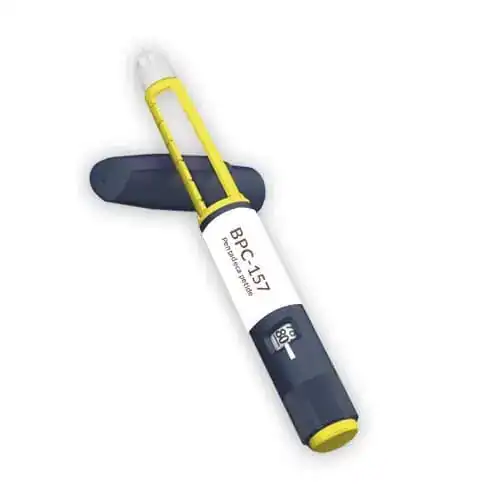
BPC-157 is a stable peptide that researchers have been studying for its possible effects on healing and nerve support. Some studies suggest it may influence repair-related processes in the body and could also interact with parts of the central nervous system.
In preclinical studies, BPC-157 has been shown to reduce brain damage and support recovery following brain injury, including reductions in edema and neuronal damage.
BPC-157 also shows antioxidant activity and may protect neurons from oxidative stress in experimental settings.
This peptide is used in research on brain injury and neurological conditions, but its effects on brain health and cognitive function have not been confirmed in clinical studies.
Explore BPC-157 from Direct Peptides , a regenerative peptide known for promoting neuroprotection and supporting tissue repair and recovery.
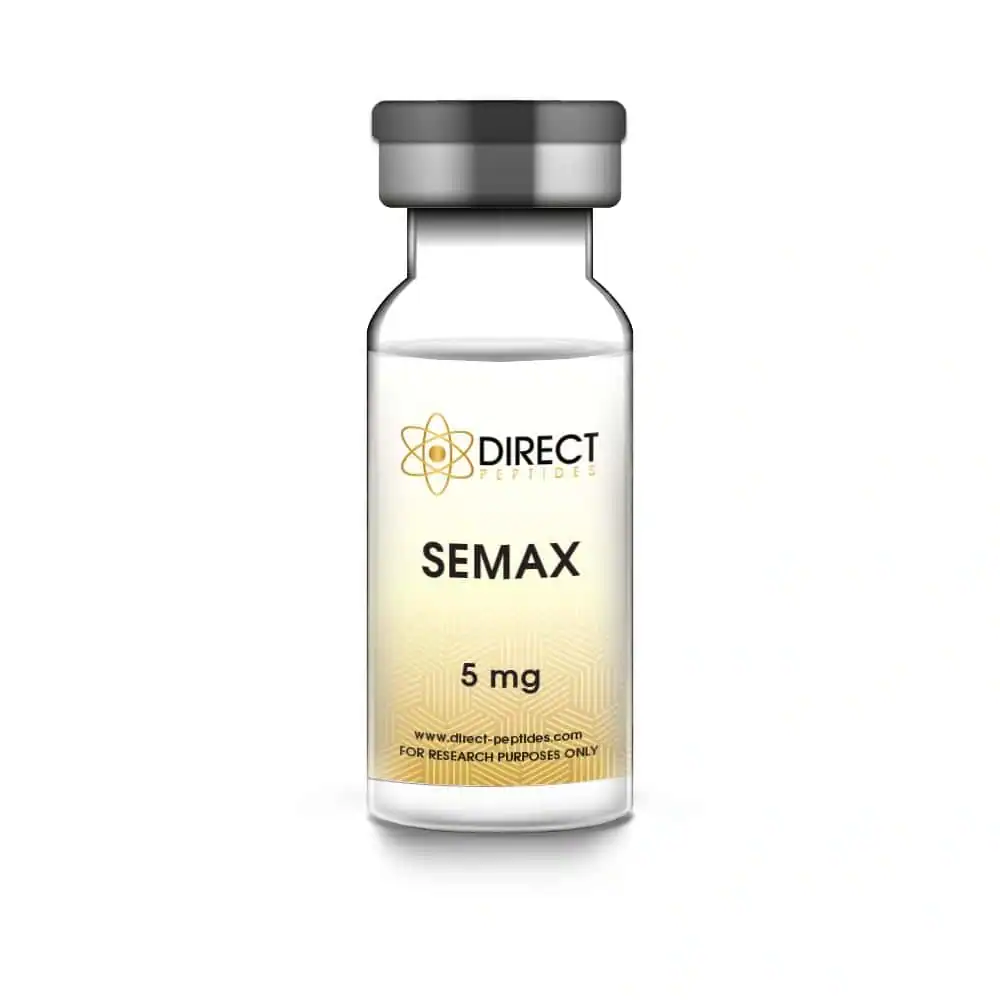
Semax is a synthetic peptide that researchers investigate for its potential neuroprotective and nerve-supporting effects. Evidence does seem to point toward its impact on brain-derived neurotrophic factor (BDNF), a protein that helps brain cells converse with each other.
Semax has demonstrated nootropic and neuroprotective effects in experimental and clinical studies, including effects on learning, attention, and memory processes.
Studies also show that Semax supports neuron survival under stress conditions and may protect brain cells in models of hypoxia and neurotoxicity.
These effects suggest a role for Semax in research on memory, brain function, and neurological conditions, although its mechanisms remain under investigation.
Uncover Semax from Direct Peptides , a neurogenic peptide that stimulates neurogenesis and enhances memory, learning, and cognitive performance.
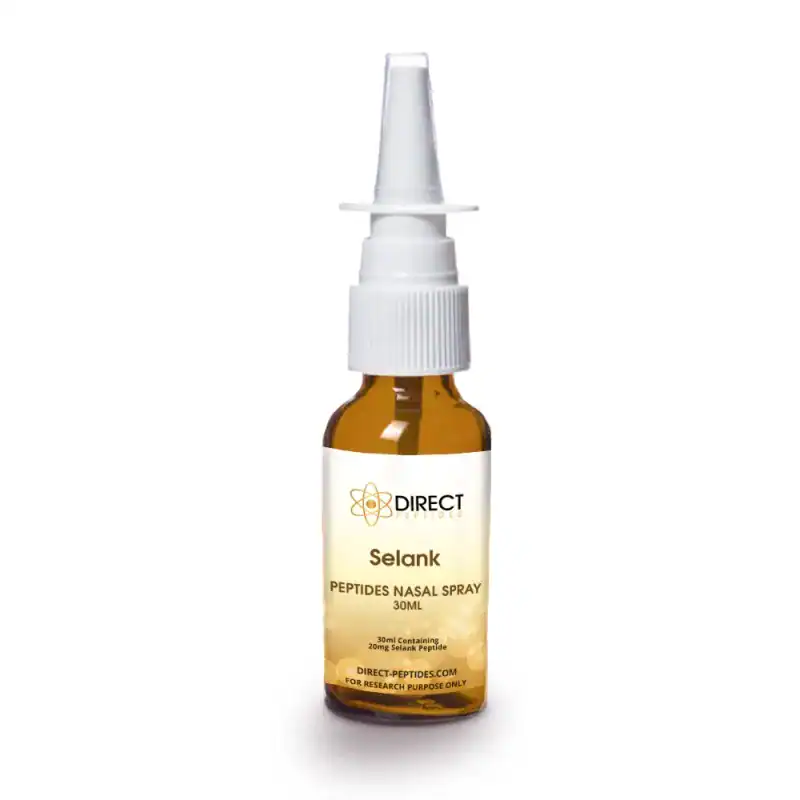
Selank is a synthetic peptide studied for its anxiolytic properties. Evidence suggests it lowers anxiety in experimental and clinical contexts.
Selank also affects neurotransmitter systems which modulate GABAergic and monoamine activity (serotonin, dopamine).
By affecting these systems, Selank may influence mood and stress response. However, its effects on focus and cognitive performance are not clearly established in clinical studies.
Explore Selank from Direct Peptides , an anxiolytic peptide that helps reduce anxiety, improve mental clarity, and enhance focus for better cognitive function.
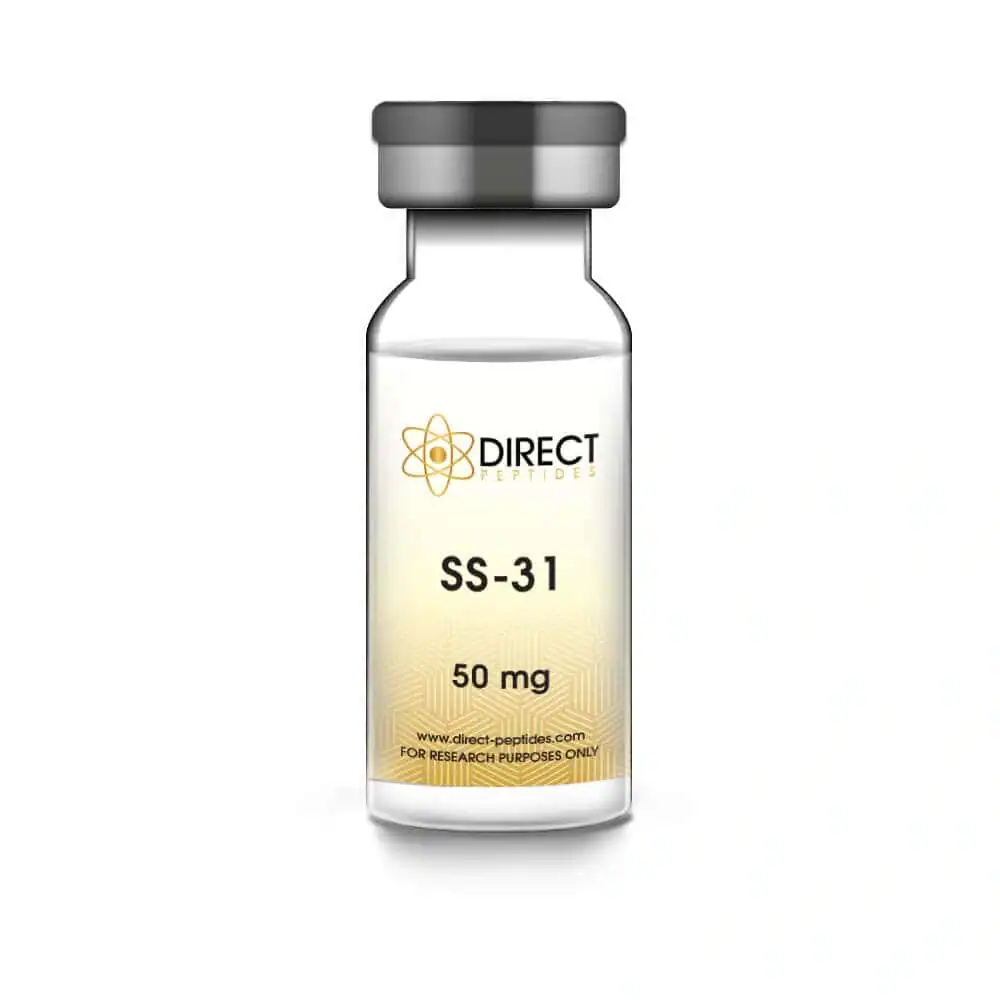
SS-31 is a peptide studied for its effects on mitochondria, which are responsible for producing energy inside cells. Since the brain needs a large amount of energy to function properly, problems with mitochondrial activity may affect normal cellular function.
SS-31 protects mitochondria from oxidative damage by reducing reactive oxygen species and supporting mitochondrial function.
In research, SS-31 has been studied for its effects on mitochondrial function and cellular energy processes. Preclinical studies show it can reduce mitochondrial dysfunction and oxidative stress.
By supporting mitochondrial function, SS-31 influences cellular energy production. However, its effects on cognitive performance and mental fatigue are not clearly established in clinical studies.
While SS-31 helps the brain maintain energy, Tesofensine benefits provide a different approach to improving cognitive function.
Tesofensine works by influencing neurotransmitters in the brain, enhancing focus, memory, and mood. Together, these peptides contribute to a more complete approach to boosting brain health.
Discover SS-31 from Direct Peptides , a peptide that protects mitochondria and supports optimal brain energy for improved cognitive endurance and performance.
Tesofensine benefits are many, offering help for better focus, memory, mental clarity, and mood. By changing neurotransmitter activity, Tesofensine helps the brain work better, making it a helpful tool for anyone wanting to improve their brain function.
Other peptides like BPC-157, Semax, Selank, and SS-31 are often discussed in brain health research. Researchers are looking at how they may help with things like memory, nerve support, and cellular energy.
There is still a lot to learn about Tesofensine and these peptides, especially when it comes to long-term research. Even so, interest in their possible effects on brain function and mental clarity continues to grow.
(1) Perez CI, Luis-Islas J, Lopez A, Diaz X, Molina O, Arroyo B, Moreno MG, Lievana EG, Fonseca E, Castañeda-Hernández G, Gutierrez R. Tesofensine, a novel antiobesity drug, silences GABAergic hypothalamic neurons. PLoS One. 2024 Apr 24;19(4):e0300544.
(2) Sikiric P, Seiwerth S, Rucman R, Kolenc D, Vuletic LB, Drmic D, Grgic T, Strbe S, Zukanovic G, Crvenkovic D, Madzarac G, Rukavina I, Sucic M, Baric M, Starcevic N, Krstonijevic Z, Bencic ML, Filipcic I, Rokotov DS, Vlainic J. Brain-gut Axis and Pentadecapeptide BPC 157: Theoretical and Practical Implications. Curr Neuropharmacol. 2016;14(8):857-865.
(3) Lebedeva IS, Panikratova YR, Sokolov OY, Kupriyanov DA, Rumshiskaya AD, Kost NV, Myasoedov NF. Effects of Semax on the Default Mode Network of the Brain. Bull Exp Biol Med. 2018 Sep;165(5):653-656.
(4) Kasian A, Kolomin T, Andreeva L, Bondarenko E, Myasoedov N, Slominsky P, Shadrina M. Peptide Selank Enhances the Effect of Diazepam in Reducing Anxiety in Unpredictable Chronic Mild Stress Conditions in Rats. Behav Neurol. 2017;2017:5091027.
(5) Zhu Y, Wang H, Fang J, Dai W, Zhou J, Wang X, Zhou M. SS-31 Provides Neuroprotection by Reversing Mitochondrial Dysfunction after Traumatic Brain Injury. Oxid Med Cell Longev. 2018 Aug 27;2018:4783602.
Shop ALL Peptide Stacks, 99% Pure online at Direct Peptides today!
Current research does not show that Tesofensine benefits include direct stress reduction. Trials report no clear changes in stress or anxiety scores, and higher doses may influence mood. Most studies focus on metabolic and cognitive pathways rather than stress response. More controlled data is needed before linking Tesofensine to measurable stress support.
Studies in early Alzheimer’s research and animal models suggest that Tesofensine may support memory by modulating key neurotransmitters. These results suggest possible cognitive effects, but larger, long-term trials are still needed. Tesofensine benefits for memory remain early stage findings, so current evidence should be viewed as promising but not conclusive.
Tesofensine may support focus by increasing neurotransmitters that help regulate attention. Early studies show some positive signals, yet most clinical work centers on metabolic outcomes rather than detailed focus measurements. Evidence remains limited, so Tesofensine benefits for attention should be considered experimental until stronger research confirms consistent results.
Tesofensine can influence mood by altering serotonin, dopamine, and norepinephrine levels. Clinical data shows neutral mood effects at moderate doses, while higher doses may cause unwanted changes. Research does not confirm strong mood enhancement, so mood impact remains dose dependent. Further trials are needed to understand these effects better.
Tesofensine can raise heart rate and may slightly increase blood pressure at higher doses. Some trials report stable blood pressure at lower doses, yet cardiovascular responses remain an important area of study. Research teams continue to evaluate how dosing, duration and individual factors shape these effects in controlled environments.
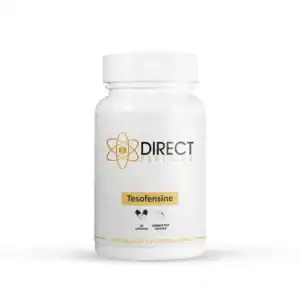
Tesofensine Capsules
£159.66 Select options This product has multiple variants. The options may be chosen on the product page
SS-31 Nasal Spray
Price range: £151.75 through £298.50 Select options This product has multiple variants. The options may be chosen on the product page
Semax Selank Peptide Stack
Price range: £29.50 through £38.42 Select options This product has multiple variants. The options may be chosen on the product page
BPC-157 5mg Pre Mixed Pen
Price range: £20.91 through £56.46 Select options This product has multiple variants. The options may be chosen on the product pageDo Peptides Really Work on Aging Skin? Aging is an inevitable process, and one of the biggest concerns associated with

How Does Snap-8 Improve Skin Texture ? Snap-8 and skin texture have become a major focus in peptide research. Researchers

The Benefits of Decapeptide-12 : How Can It Help Your Aging Skin? As the years go by, our skin undergoes

Discover The Best Peptides For Energy Researchers have long been interested in peptides and their role in human vitality. These