
Ipamorelin vs GHRP-2 : Which Peptide Shows More Targeted GH Release? Growth hormone research includes peptides that influence how and

Peptides help increase BDNF levels by regulating the biological systems that control its production and activity in the brain. Research shows that certain peptides can upregulate BDNF gene expression, leading to higher levels of BDNF mRNA and protein in brain regions linked to learning and memory.
They also enhance the BDNF–TrkB signaling pathway, which plays a direct role in neuroplasticity. Studies indicate that when this pathway is activated, neurons form stronger connections and adapt more efficiently.
Some peptides interact with neurotransmitter systems and neurotrophic networks, creating internal conditions that support sustained BDNF activity and brain function.
With this foundation, it becomes important to understand why peptides are being studied so closely in this area. In this article, we’ll explore peptides that help increase BDNF levels and why this area is gaining strong attention in research.
Explore Semax from Direct Peptides , a research peptide studied for its role in BDNF expression and neurotrophic signaling linked to cognitive function.

Peptides are effective because research shows they can target and modulate specific brain signaling pathways involved in neurotrophin regulation, rather than acting broadly. Studies on regulatory peptides demonstrate that they can mimic or influence natural neurotrophic factors, thereby interacting directly with systems that control neuron survival and function.
Another key factor is their ability to bind to receptors and affect intracellular signaling cascades linked to BDNF activity. For example, peptide-based compounds have been shown to influence pathways that regulate transcription, protein synthesis, and synaptic signaling in brain tissue.
Because of this targeted interaction with neurotrophic systems, peptides are widely studied as tools to increase BDNF and investigate brain plasticity in controlled research models.
Explore Peptide Supplies at Direct Peptides for all your reconstitution requirements.
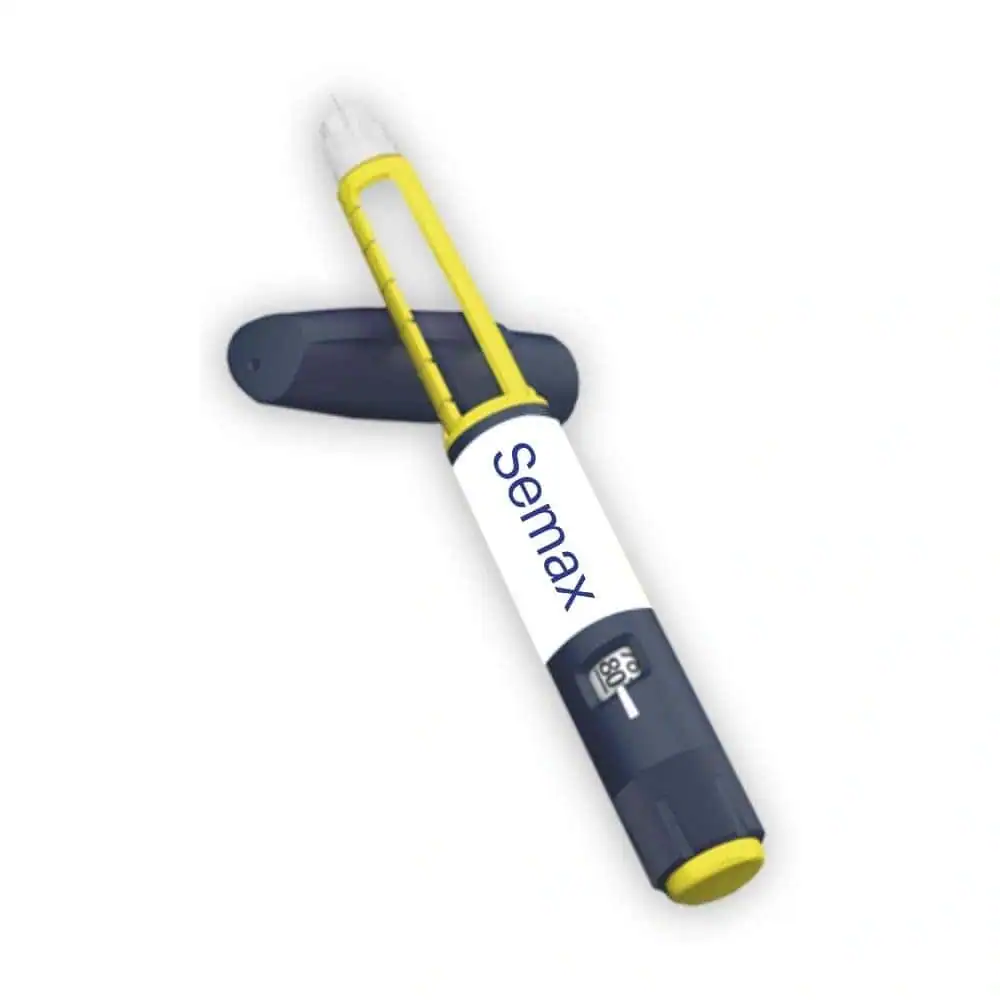
Research shows that Semax may help increase BDNF levels by influencing neurotrophin gene activity in the brain. Studies report that Semax can induce rapid changes in BDNF gene expression, including increased mRNA levels in brain tissue shortly after administration.
It also affects the BDNF–TrkB signaling system, where findings suggest Semax modulates both BDNF and its receptor activity, which is linked to cognitive function and neural adaptation.
Additional research shows measurable increases in BDNF levels in brain regions and plasma following Semax exposure, supporting its role in neurotrophic signaling in controlled studies.
Research shows that Selank influences brain signaling systems linked to cognitive and neurotrophic activity. Studies report that Selank can modulate neurotransmitters such as serotonin and GABA, which play a role in regulating brain function and emotional responses.
Experimental studies also show that Selank can regulate BDNF expression in the hippocampus, a region strongly associated with learning and memory.
Further findings indicate that Selank can increase BDNF mRNA and protein levels in brain tissue after administration, suggesting direct involvement in neurotrophin signaling pathways.

Adamax is a synthetic peptide described as a modified analogue of Semax, designed with structural changes to improve stability and resistance to enzymatic degradation.
Research on Semax shows increased expression of brain-derived neurotrophic factor (BDNF) and activation of TrkB signaling in brain tissue, particularly in regions associated with learning and memory. Adamax is studied within this same framework due to its structural relationship to Semax.
Available information indicates that Adamax is being examined in research for its involvement in BDNF-related signaling pathways and receptor activity, including effects associated with neuroplasticity and synaptic function.
Check out Adamax from Direct Peptides , a modified peptide researched for its involvement in BDNF-associated signaling pathways and neural function.
IGF-1 functions within signaling systems that regulate neurotrophic activity rather than acting as a direct source of BDNF. It is positioned upstream in pathways that drive BDNF expression, linking its activity to processes that help increase BDNF in brain tissue.
Inhibition of IGF-1 signaling has been shown to reduce BDNF-related responses, indicating that normal IGF-1 activity is required for maintaining these pathways.
IGF-1 and BDNF operate through shared intracellular mechanisms, including PI3K/Akt and MAPK signaling, which regulate neuronal survival and plasticity.
IGF-1 also contributes to BDNF-linked synaptic plasticity and memory processes, where its signaling supports conditions that increase BDNF-related activity.
IGF-1 LR3 is a longer-acting analogue of IGF-1, so its effects are interpreted through these same signaling pathways.
Shop IGF-1 LR3 from Direct Peptides , a long-acting analogue studied for its connection to growth factor pathways that regulate BDNF activity.
Peptides are being studied for their ability to interact with biological systems that regulate BDNF and brain function. Research across compounds such as Semax, Selank, Adamax, and IGF-1 pathways shows consistent involvement in neurotrophic signaling linked to neuronal survival and synaptic activity.
Most findings come from controlled research models, where peptides are used to examine how targeted mechanisms can increase BDNF levels.
These results position peptides as focused tools for studying BDNF-related processes, with ongoing research aimed at defining their mechanisms and consistency in brain signaling systems.
(1) Dmitrieva VG, Povarova OV, Skvortsova VI, Limborska SA, et al. Semax and Pro-Gly-Pro activate the transcription of neurotrophins and their receptor genes after cerebral ischemia. Cell Mol Neurobiol. 2010 Jan;30(1):71-9.
(2) Inozemtseva LS, Karpenko EA, Dolotov OV, Levitskaya NG,et al. Intranasal administration of the peptide Selank regulates BDNF expression in the rat hippocampus in vivo. Dokl Biol Sci. 2008 Jul-Aug;421:241-3.
(3) Dolotov OV, Karpenko EA, Inozemtseva LS, Seredenina TS, et al. Semax, an analog of ACTH(4-10) with cognitive effects, regulates BDNF and trkB expression in the rat hippocampus. Brain Res. 2006 Oct 30;1117(1):54-60.
(4) Zheng WH, Quirion R. Comparative signaling pathways of insulin-like growth factor-1 and brain-derived neurotrophic factor in hippocampal neurons and the role of the PI3 kinase pathway in cell survival. J Neurochem. 2004 May;89(4):844-52.
BDNF levels are measured from blood samples, such as serum or plasma, and are most often analyzed using ELISA-based laboratory methods. This approach quantifies circulating BDNF concentration and is widely used in research settings. These measurements reflect peripheral BDNF levels, although they may not fully represent changes occurring directly in brain tissue.
What is the fastest way to increase BDNF?
Aerobic exercise is one of the most consistent methods shown to increase BDNF levels, especially at moderate to high intensity. Exercise acts as a physiological stimulus that raises BDNF in both acute and long-term settings, supporting neuroplasticity and brain function.
Can low BDNF levels affect brain function?
Low BDNF levels are associated with reduced neuronal survival and weaker synaptic connections, which can affect learning and memory processes. BDNF plays a central role in maintaining neural circuits, so reduced levels are linked with impaired brain function and decreased adaptability.
What factors reduce BDNF levels?
Factors such as physical inactivity, metabolic imbalance, and chronic physiological stress are linked to reduced BDNF levels. These conditions disrupt normal neurotrophic signaling and can lower BDNF expression, which may affect neuronal function and plasticity over time.
Can supplements increase BDNF levels?

Selank Pre-Mixed Pen 5mg Peptide
Price range: £20.99 through £56.67 Select options This product has multiple variants. The options may be chosen on the product page
Semax Selank Peptide Stack
Price range: £29.50 through £38.42 Select options This product has multiple variants. The options may be chosen on the product page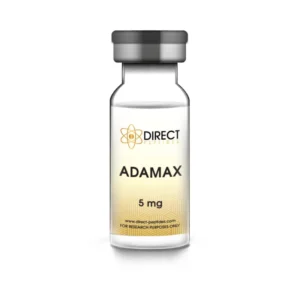
Adamax Peptide Vial
Price range: £45.12 through £54.10 Select options This product has multiple variants. The options may be chosen on the product page
IGF-1 LR3 Nasal Spray
Price range: £87.41 through £169.81 Select options This product has multiple variants. The options may be chosen on the product pageIpamorelin vs GHRP-2 : Which Peptide Shows More Targeted GH Release? Growth hormone research includes peptides that influence how and

How Orexin A Peptide May Impact Mood, Energy, and Focus? Orexin A Peptide is a neuropeptide that researchers study for

The Synergy of Semax and Selank : A Breakthrough in Peptide Therapy Peptide therapy is becoming an important part of

How Do Peptides Work for Wound Healing, Tissue Regeneration And Promote Recovery? Peptides have been investigated for their potential influence