
The Benefits of Decapeptide-12 : How Can It Help Your Ageing Skin? As the years go by, our skin undergoes

Melanotan II (Melanotan 2) is a peptide that mimics the hormone responsible for producing melanin in the body. This happens when the alpha-melanocyte-stimulating hormone binds to melanocortin receptors, triggering melanin production in skin cells.
Research shows that this hormone also influences sexual desire, appetite, and fat metabolism. Clinical studies have found that Melanotan II can boost libido, reduce appetite, aid fat loss, and tan the skin without sun exposure, all with few side effects.
Melanotan II has also been shown to protect against harmful UV rays by stimulating melanin production. Additionally, studies comparing Melanotan II and PT-141 suggest both peptides may help treat sexual dysfunction, including erectile dysfunction (ED) and low libido.
Explore Melanotan 2 Peptide from Direct Peptides, a research peptide studied for its role in pigmentation and melanocortin pathway activity.
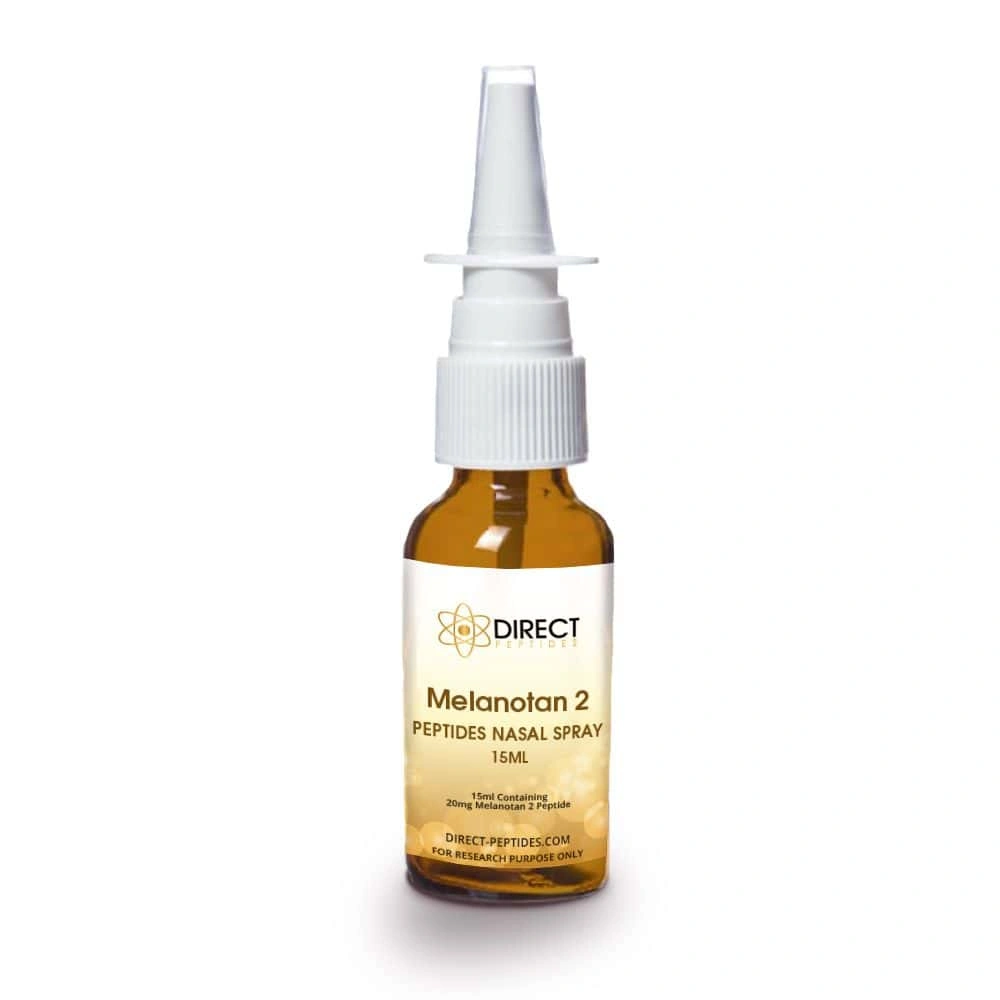
Melanotan 2 is a lab-developed peptide designed to mimic the activity of alpha-melanocyte-stimulating hormone (α-MSH), helping stimulate melanin production and increase skin pigmentation. It interacts with melanocortin receptors involved in pigmentation pathways.
Research also indicates that it can affect central melanocortin signaling, which is associated with sexual arousal and libido.
It is mainly studied in controlled research settings due to its biological effects on pigmentation, metabolism, and sexual function.
Melanotan 2 binds to melanocortin receptors (including MC1R, MC3R, and MC4R), which stimulate melanocytes to produce melanin and increase skin pigmentation, similar to the body’s natural response to UV exposure.
It also acts on central melanocortin pathways, where receptor activation is linked to sexual arousal, libido, and erectile response in research models.
The synthetic Melanotan II peptide was first developed by the University of Arizona (UA), a public research university. The research was part of a study focused on creating a defense against skin cancer by finding a way to stimulate natural melanin production (melanogenesis) in the skin without exposing it to harmful ultraviolet (UV) radiation from sunlight.
Researchers at the University of Arizona studied the naturally occurring hormone α-melanocyte-stimulating hormone (α-MSH) in human subjects to investigate its tanning effects. Although the hormone showed activity, its short half-life made it impractical for therapeutic use.
These findings led to the creation of Melanotan I and Melanotan II, which showed similar biological effects with improved stability and longer duration of action in research settings.
Melanotan II is researched for its effects on pigmentation and its influence on sexual arousal, while similar effects are also being explored with other peptides. Compounds such as PT-141 (Bremelanotide), Kisspeptin, and Melanotan 1 are being explored for possible roles in sexual function, hormone signaling, and metabolism.
Below is a brief comparison showing how these peptides differ from Melanotan II in research.
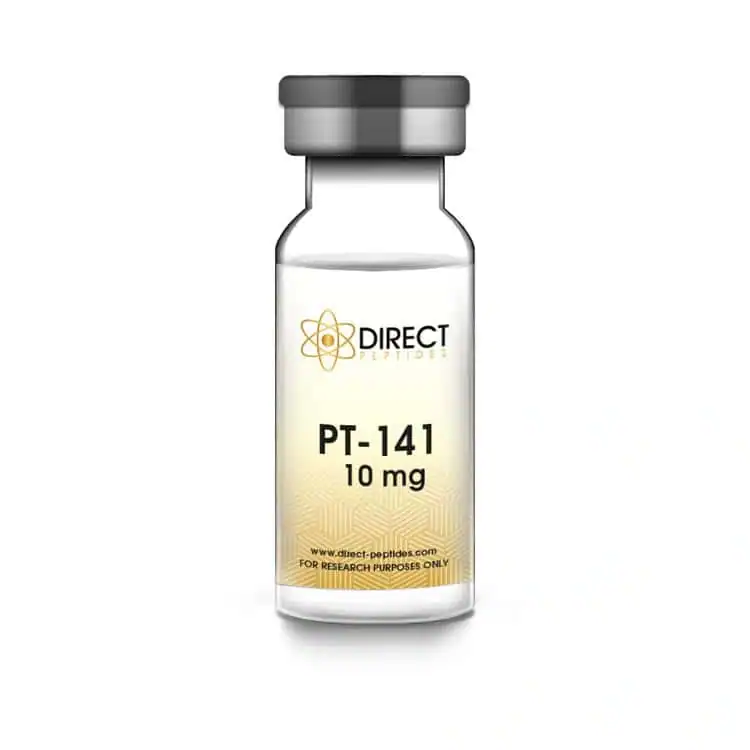
PT-141, known as Bremelanotide, is a melanocortin peptide researched for sexual dysfunction, including erectile dysfunction (ED) and low sexual desire. It was developed from Melanotan II.
Compared with Melanotan II, PT-141 is more closely linked to sexual function through activity at melanocortin receptors MC3 and MC4, which are associated with sexual behavior and energy homeostasis.
PT-141 has shown less pronounced effects on skin pigmentation compared with Melanotan II, although hyperpigmentation can still occur. Research has also examined its effects on erectile function and sexual desire in both men and women, making it more specific for sexual dysfunction research.
Buy PT-141 Peptide Vial from Direct Peptides, a research compound explored for its effects on melanocortin receptors and sexual function pathways.
Kisspeptin is a peptide that regulates reproductive hormones. Unlike Melanotan II or Melanotan 1, it does not affect skin tanning but plays a key role in sexual health and reproduction by stimulating the release of gonadotropin-releasing hormone (GnRH). This, in turn, increases sex hormone production, including estrogen and testosterone.
Research shows kisspeptin may influence sexual and emotional activity in the brain through pathways tied to reproductive function. Researchers also examine kisspeptin in relation to infertility and hypogonadotropic hypogonadism, which keeps it closely linked to reproductive health research.
Melanotan 1 is part of the same peptide family as Melanotan II but is considered a milder option. Its primary role is promoting skin tanning with limited effects on libido. Its main use is for achieving skin pigmentation.
Researchers evaluated Melanotan 1 in clinical settings and reported a more established safety profile than Melanotan II. Researchers mainly study Melanotan 1 for pigmentation because it produces fewer libido-related effects and has a limited impact on sexual function.
Melanotan 1 and Melanotan 2 are peptide analogues of the hormone α-MSH (α-melanocyte-stimulating hormone), known for inducing skin tanning. Unlike Melanotan 1, Melanotan 2 has also been found to boost libido, enhancing sexual arousal and sex drive. Melanotan 2 is a cyclic heptapeptide similar to α-MSH.
Studies have examined how Melanotan II affects food intake and metabolism through activation of the central melanocortin system. In rodent models, Melanotan II reduced food intake, body weight, and fat mass under experimental conditions.
Discover Melanotan 2 from Direct Peptides.
Additional studies reported lower serum insulin and cholesterol levels after Melanotan II administration compared with control treatments in obese rat models. Researchers also observed lower acetyl-CoA carboxylase (ACC) expression along with maintained carnitine palmitoyltransferase I (CPT1) mRNA and muscle carnitine levels. These findings were linked to fatty acid oxidation and metabolic regulation in skeletal muscle tissue.
Research suggests that Melanotan 2 may influence fat metabolism and lipid regulation in muscle tissue under experimental conditions.
α-MSH (Alpha-Melanocyte-Stimulating Hormone) is a natural hormone from the melanocortin family. It plays a key role in melanogenesis, the process that controls skin and hair pigmentation in mammals.
In addition to pigmentation, α-MSH also affects energy balance, appetite, and sexual activity. Synthetic peptides such as Melanotan 2 and Bremelanotide mimic this hormone and activate melanocortin receptors MC1, MC3, MC4, and MC5. For example, Melanotan I and II activate the MC1 receptor, which researchers mainly associate with changes in skin pigmentation.
PT-141 (Bremelanotide) and Melanotan also target the MC3 and MC4 receptors, which regulate sexual behavior, metabolism, and appetite. However, unlike Melanotan, PT-141 does not activate the MC1 receptor. Check out PT-141 from Direct Peptides today!
Synthetic α-MSH analogues are also being researched for their ability to protect the skin from UV (ultraviolet) radiation. Bremelanotide, derived from Melanotan II, is specifically being developed to treat sexual dysfunction. These analogues are more potent than natural α-MSH and have unique selectivity profiles for different melanocortin receptors.
Regulatory agencies, such as the U.S. Food and Drug Administration (FDA) and Therapeutic Goods Administration (TGA), have raised concerns about Melanotan 2 due to reported adverse effects and limited long-term safety data. And because of this, Melanotan 2 has not been approved for human use in many countries.
Many jurisdictions classify the sale and distribution of Melanotan 2 for human use as unauthorized, unlicensed, or illegal.
Melanotan 2 has been reported in studies to produce effects such as nausea, facial flushing, reduced appetite, and increased skin pigmentation. These effects are associated with its activity as a nonselective agonist of melanocortin receptors, including MC1R, MC3R, and MC4R.
Experimental models show that the activation of these receptors is associated with alterations in pigmentation, appetitive behavior, and central nervous system responses. Reported outcomes may be dependent on some dosage and study conditions.
Melanotan 2 continues to be investigated in controlled research settings to better understand its pharmacological profile and associated biological effects.
Melanotan II has been associated with increased sexual arousal, desire, and erectile response through activation of central melanocortin pathways, particularly via MC3 and MC4 receptors involved in regulating sexual behavior. It also stimulates melanogenesis by activating MC1 receptors in melanocytes, leading to increased skin pigmentation without UV exposure.
Studies also show reduced appetite and changes in energy balance linked to melanocortin signaling. In studies, scientists have reported side effects such as nausea, facial flushing, yawning, and lower food intake, likely caused by its broad receptor activity.
These effects reflect both central nervous system involvement and peripheral actions observed in controlled research settings.
Explore Peptide Supplies at Direct Peptides for all your reconstitution requirements.
Melanotan II remains of scientific interest because it can interact with multiple melanocortin pathways involved in pigmentation, metabolism, and sexual function. Receptors are known to exhibit broad activity, which researchers have used to probe how these systems function in the body under laboratory conditions.
Even with encouraging research findings, its overall profile remains complex and not fully understood. More investigation is still needed to better understand its mechanisms, long-term effects, and possible applications in controlled peptide research.
Shop ALL Peptide Nasal Sprays from Direct Peptides today, your trusted supplier of premium clinical grade peptides online.
(1) Yuan S, Yu B, Liu HM. New drug approvals for 2019: Synthesis and clinical applications. Eur J Med Chem. 2020 Nov 1;205:112667.
(2) Lan EL, Ugwu SO, Blanchard J, Fang X, Hruby VJ, Sharma S. Preformulation studies with melanotan-II: a potential skin cancer chemopreventive peptide. J Pharm Sci. 1994 Aug;83(8):1081-4.
(3) Singh M, Mukhopadhyay K. Alpha-melanocyte stimulating hormone: an emerging anti-inflammatory antimicrobial peptide. Biomed Res Int. 2014;2014:874610.
(4) Wessells H, Levine N, Hadley ME, Dorr R, Hruby V. Melanocortin receptor agonists, penile erection, and sexual motivation: human studies with Melanotan II. Int J Impot Res. 2000 Oct;12 Suppl 4:S74-9.
BULK BUY
Kisspeptin Peptide Vial
Price range: £19.94 through £130.90 Select options This product has multiple variants. The options may be chosen on the product page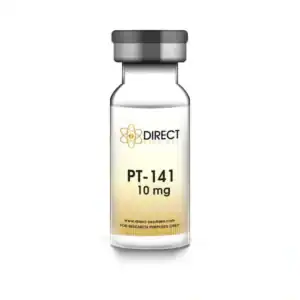
New Reduced Price
TWIN PACKS
PT-141 Peptide Vial (Bremelanotide)
Price range: £21.45 through £38.61 Select options This product has multiple variants. The options may be chosen on the product page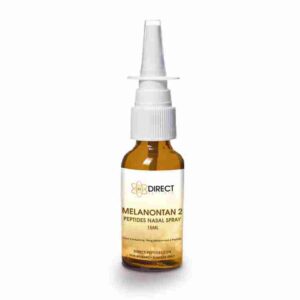
TWIN PACKS
Melanotan 2 Nasal Spray
Price range: £25.19 through £81.68 Select options This product has multiple variants. The options may be chosen on the product page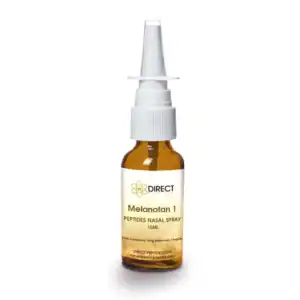
Melanotan 1 Nasal Spray
Price range: £25.19 through £45.38 Select options This product has multiple variants. The options may be chosen on the product pageThe Benefits of Decapeptide-12 : How Can It Help Your Ageing Skin? As the years go by, our skin undergoes

Do Peptides Really Work on Ageing Skin? Ageing is an inevitable process, and one of the biggest concerns associated with

How Does Snap-8 Improve Skin Texture ? Snap-8 and skin texture have become a major focus in peptide research. Researchers

Discover The Best Peptides For Energy Researchers have long been interested in peptides and their role in human vitality. These