
The Benefits of Decapeptide-12 : How Can It Help Your Ageing Skin? As the years go by, our skin undergoes

Yes. Research suggests that ARA 290 peptide (cibinetide) may help protect brain tissue in experimental models of neurological injury. Preclinical studies have shown that ARA 290 can reduce inflammatory activity and support neuron survival pathways linked to neuroprotection. Researchers have also observed reduced markers of cellular stress and immune-related inflammation in experimental models compared with untreated controls.
Additional research suggests that ARA 290 was designed to support tissue protective signaling without stimulating red blood cell production. In research, the peptide helped regulate inflammatory immune responses while supporting cellular protection processes associated with nervous tissue health.
Explore ARA 290 Peptide from Direct Peptides , a peptide studied for brain protection, stress resilience, and functional brain response pathways.

ARA 290 peptide may regulate inflammatory and immune responses contributing to neuronal resilience during chronic brain stress. The peptide that will be studied has been shown in other studies to suppress neuroinflammatory activity while promoting cytoprotective cellular signaling associated with brain health under long-term stress.
Studies also indicate that ARA 290 may help normalize stress-related immune activity and reduce inflammatory responses linked to chronic stress conditions. In experimental models, researchers observed improved behavioral responses to stress along with lower markers of neuroinflammation compared with untreated animals.
These findings suggest that ARA 290 may help maintain neuronal stability during long-term stress by supporting balanced immune signaling and limiting inflammatory activity associated with stress-induced neuroinflammatory processes in research settings.
Explore Peptide Supplies at Direct Peptides for all your reconstitution requirements.
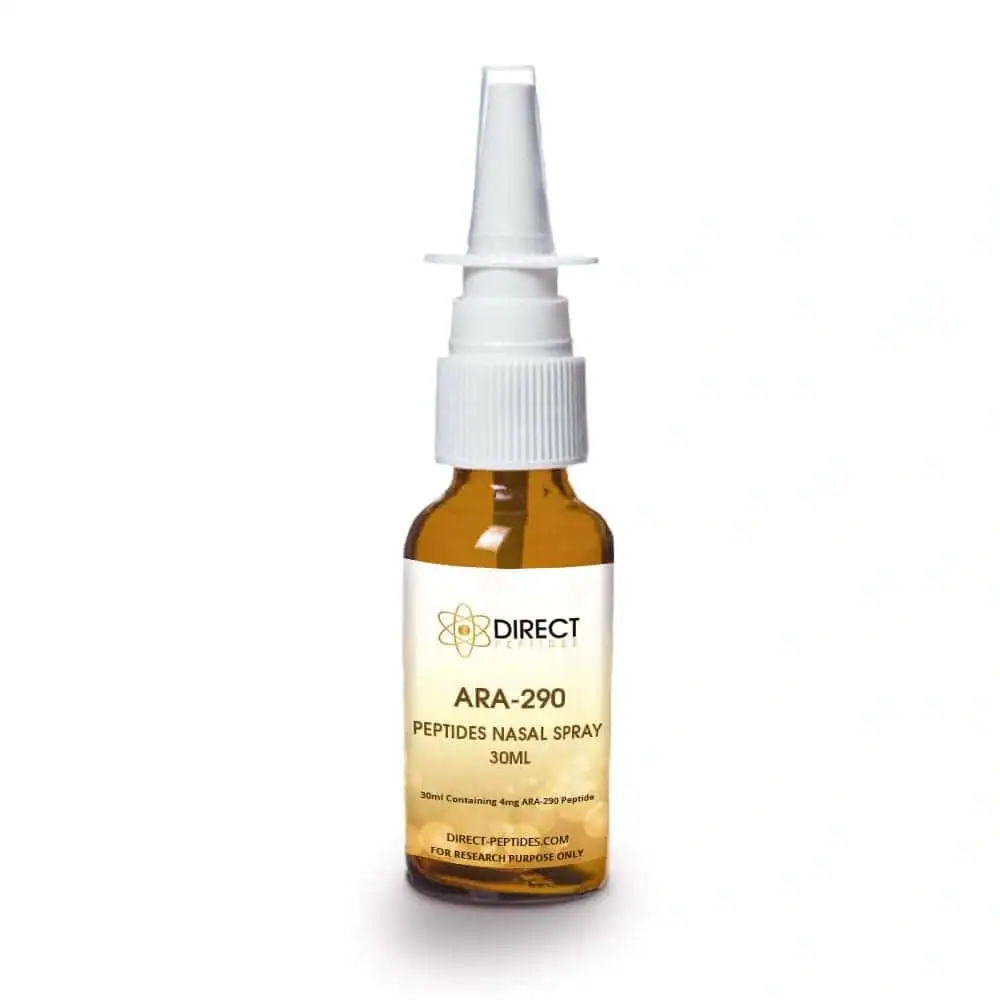
ARA 290 (cibinetide) may influence certain neurological and cognitive response pathways beyond its role in tissue protection. Some controlled studies have explored the peptide’s potential effects on neurocognitive activity, behavioral responses and brain-related signaling in research settings, including responses associated with emotional and visual processing tasks.
Research findings also suggest that ARA 290 may influence certain response patterns connected to emotional stimuli and cognitive processing. Additional research is needed to better understand its broader effects on memory, learning and neurological activity.
These findings suggest that ARA 290 may support ongoing neuroprotective and neuroinflammatory research, separate from its studied roles in tissue protection, inflammation regulation and cellular support pathways.
Discover Semax from Direct Peptides , a research peptide examined for its role in brain signaling, attention regulation, and cognitive-related neural activity.
Semax is a synthetic heptapeptide developed from the ACTH (4–10) fragment and is commonly studied for its role in brain signaling and cognitive activity. Research in animal studies suggests that Semax may increase levels of BDNF and related signaling activity in brain regions linked to memory and learning, including the hippocampus.
Research also suggests that Semax may help influence neurotransmitter activity and gene expression linked to stress response and cognitive function. Some studies also point to possible effects on brain signaling, protective neural pathways and inflammation-related activity connected to overall brain health research.
Selank appears to influence brain activity related to neurotransmission, anxiety regulation and cognitive function. Animal studies suggest that the peptide may affect the expression of genes involved in neurotransmission, including pathways associated with dopamine, serotonin and GABA-related signaling.
These findings suggest that Selank may interact with neural signaling pathways involved in mood and cognitive activity. Selank has also been studied for its effects on anxiety and stress-related behavior in research settings.
The studies reported decreased anxiety-related behaviors and changes in pathways associated with GABAergic signaling. Selank may also have role in supporting attention and learning performance under certain types of neurological stress, according to preliminary research.
Shop Selank from Direct Peptides , a peptide studied for its influence on neurotransmitter balance, anxiety-related brain function, and cognitive regulation.
| ARA 290 Peptide | Semax | Selank |
|---|---|---|
| Studied for brain protection during injury and prolonged stress exposure | Studied for effects on brain signaling, attention, and cognitive activity | Studied for regulation of neurotransmitters and anxiety-related brain function |
| Research shows reduced neuronal damage and modulated inflammatory brain responses | Research shows increased neurotrophic signaling and enhanced neural network activity | Research shows modulation of dopamine, serotonin, and GABA-related systems |
| Focuses on tissue-level neuroprotection and adaptive brain responses | Focuses on cognitive signaling and neural communication pathways | Focuses on emotional regulation and cognitive control processes |
Current research shows increasing focus on ARA 290 peptide in studies examining how the brain responds to injury, chronic stress and sustained neuroinflammatory challenges in research settings. As study methods become more precise, ongoing work continues to define its role within neuroimmune signaling pathways while maintaining clear boundaries around its research scope.
At the same time, Semax and Selank are complementary areas of investigation targeted at neurotrophic signaling that regulate neurotransmitters involved in cognition-related processes. Collectively, these peptides highlight an emerging research landscape in which different mechanisms are synergizing together to provide a richer understanding of brain function.
(1) Wang RL, Yang ZH, Huang YY, Hu Y, et al. Erythropoietin-derived peptide ARA290 mediates brain tissue protection through the β-common receptor in mice with cerebral ischemic stroke. CNS Neurosci Ther. 2024 Mar;30(3):e14676.
(2) Xu G, Zou T, Deng L, Yang G, et al. Nonerythropoietic Erythropoietin Mimetic Peptide ARA290 Ameliorates Chronic Stress-Induced Depression-Like Behavior and Inflammation in Mice. Front Pharmacol. 2022 Aug 15;13:896601.
(3) Cerit H, Veer IM, Dahan A, Niesters M, et al. Testing the antidepressant properties of the peptide ARA290 in a human neuropsychological model of drug action. Eur Neuropsychopharmacol. 2015 Dec;25(12):2289-99.
(4) Shadrina M, Kolomin T, Agapova T, Agniullin Y, et al. Comparison of the temporary dynamics of NGF and BDNF gene expression in rat hippocampus, frontal cortex, and retina under Semax action. J Mol Neurosci. 2010 May;41(1):30-5.
(5) Volkova A, Shadrina M, Kolomin T, Andreeva L, et al. Selank Administration Affects the Expression of Some Genes Involved in GABAergic Neurotransmission. Front Pharmacol. 2016 Feb 18;7:31.
Explore ALL Peptide Vials from Direct Peptides today, your trusted supplier of premium clinical-grade peptides online.
Selank Nasal Spray
Price range: £42.58 through £79.16 Select options This product has multiple variants. The options may be chosen on the product page
ARA290 Peptide Vial
Price range: £8.33 through £17.31 Select options This product has multiple variants. The options may be chosen on the product page
Semax Pre-Mixed Pen 2mg Peptide
Price range: £25.19 through £68.01 Select options This product has multiple variants. The options may be chosen on the product page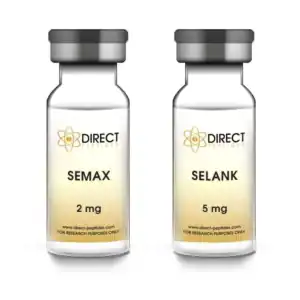
Semax Selank Peptide Stack
Price range: £29.50 through £38.42 Select options This product has multiple variants. The options may be chosen on the product pageThe Benefits of Decapeptide-12 : How Can It Help Your Ageing Skin? As the years go by, our skin undergoes

Do Peptides Really Work on Ageing Skin? Ageing is an inevitable process, and one of the biggest concerns associated with

How Does Snap-8 Improve Skin Texture ? Snap-8 and skin texture have become a major focus in peptide research. Researchers

Discover The Best Peptides For Energy Researchers have long been interested in peptides and their role in human vitality. These