
Do Peptides Really Work on Aging Skin? Aging is an inevitable process, and one of the biggest concerns associated with

Peptide SS-31 has gained significant attention because of its potential to protect the brain. This is mainly due to its ability to stabilize mitochondrial function and reduce oxidative stress.
While Peptide SS-31 is strictly intended for research purposes and not for human use, studies continue to highlight its ability to preserve brain health. This is especially true in the context of neurodegenerative diseases, such as Alzheimer’s and Parkinson’s.
Understanding how Peptide SS-31 works at the cellular level to protect the brain is essential in unlocking its potential as a powerful neuroprotective agent.
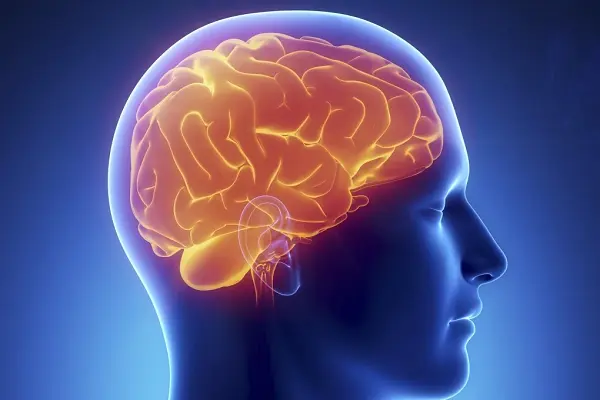
Mitochondria are known as the “powerhouses” of cells because they produce ATP, the cell’s primary energy source. Due to the brain’s high energy demands, mitochondria play a vital role in supporting memory, focus, and learning.
When mitochondria become damaged or function poorly, ATP production declines. This reduces the brain’s ability to operate efficiently, leading to cognitive impairment and contributing to neurodegenerative diseases like Alzheimer’s disease and Parkinson’s disease.
Discover Peptide SS-31 from Direct Peptides , researched for its potential in stabilizing mitochondrial function and reducing oxidative stress to prevent cognitive decline.
Peptide SS-31 stabilizes the mitochondrial membrane by interacting with cardiolipin, a key lipid in the inner mitochondrial membrane. Cardiolipin helps maintain mitochondrial structure and supports normal function. When mitochondria are disrupted by oxidative stress or damage, their ability to produce ATP declines, leading to impaired neuronal function.
By binding to cardiolipin, SS-31 helps protect mitochondrial membranes from damage and supports their continued function. This stabilization preserves energy production and reduces oxidative stress both of which are strongly linked to the onset of neurodegenerative diseases.
Explore Peptide Supplies at Direct Peptides for all your reconstitution requirements.

Oxidative stress develops when reactive molecules exceed the body’s antioxidant defenses. These reactive species can damage cellular components, including proteins, lipids and DNA.
The brain is particularly sensitive because it consumes large amounts of energy and contains lipid-rich tissue that is prone to oxidative damage. Over time, this damage contributes to neuroinflammation, loss of neurons, and a gradual decline in cognitive function.
In diseases like Alzheimer’s and Parkinson’s, oxidative stress plays a key role in speeding up neuronal damage and the progression of these conditions. As free radicals build up in the brain, they overwhelm the brain’s antioxidant defenses.
This leads to mitochondrial dysfunction, synaptic failure, and neuroinflammation. Ultimately, this oxidative damage results in cognitive decline, which is a hallmark of neurodegenerative diseases.
Peptide SS-31 has been shown to reduce oxidative stress by acting as a powerful antioxidant. It neutralizes free radicals and helps prevent oxidative damage that can build up in the brain. Research shows that Peptide SS-31 protects neurons from the effects of oxidative stress by improving mitochondrial efficiency.
This reduces the amount of reactive oxygen species (ROS) produced. By stabilizing mitochondria and lowering oxidative damage, SS-31 helps prevent neuroinflammation and neuronal loss. These are central to the progression of diseases like Alzheimer’s and Parkinson’s.
Cognitive decline, characterized by memory loss, difficulty concentrating and slower processing speeds, is often linked to mitochondrial dysfunction and oxidative stress.
As mitochondria become impaired, neurons lose their ability to generate energy, leading to cognitive deficits. By stabilizing mitochondrial function and reducing oxidative stress, Peptide SS-31 has the potential to slow down or prevent cognitive decline.
Research shows that Pinealon (EDR peptide) exerts neuroprotective effects by regulating gene expression and protein synthesis in neurons. It activates genes involved in maintaining neuronal function while reducing apoptosis, a key driver of neurodegeneration. Studies suggest it can interact with cellular components such as histones or RNA influencing signaling pathways linked to oxidative stress and neuronal survival.
Additionally, Pinealon enhances antioxidant enzyme production and limits reactive oxygen species, helping preserve neuronal integrity. These gene-level effects support memory, synaptic stability and overall cognitive function, making it a complementary mechanism to mitochondrial-focused approaches.
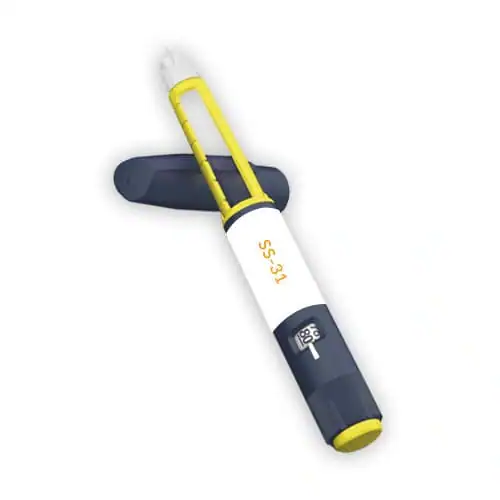
Research indicates that Peptide SS-31 may help improve learning and memory. One proposed mechanism is its effect on synaptic plasticity, which describes how synapses adjust their strength based on neural activity.
Synaptic plasticity is essential for acquiring new information and forming long-term memories. By supporting mitochondrial function and limiting oxidative stress. SS-31 helps maintain synaptic plasticity, which is important for memory formation and cognitive flexibility.
In animal studies, SS-31 has been associated with improvements in spatial memory and object recognition, both key components of memory performance. These findings suggest it may contribute to preserving cognitive function, particularly in aging or neurodegenerative conditions.
Neurodegenerative conditions such as Alzheimer’s disease and Parkinson’s disease are defined by the gradual loss of neurons resulting in both cognitive decline and impaired motor function. These disorders are strongly associated with mitochondrial dysfunction and elevated oxidative stress. Peptide SS-31 has shown potential in reducing these cellular stresses and supporting neuronal survival, which may influence disease progression.
Alzheimer’s disease involves the accumulation of amyloid-beta plaques and tau aggregates that interfere with neuronal signaling and contribute to cognitive impairment. Mitochondrial dysfunction plays a key role in this process by increasing oxidative damage and promoting the buildup of these harmful proteins.
Peptide SS-31 has been reported to enhance mitochondrial performance, lower oxidative stress, and reduce the impact of amyloid and tau-related changes. These findings indicate that SS-31 may help slow disease progression while supporting cognitive function.
Parkinson’s disease is characterized by the progressive loss of dopamine-producing neurons. This degeneration is closely linked to mitochondrial impairment and oxidative stress. Peptide SS-31 has demonstrated the ability to support these neurons by improving mitochondrial stability and reducing oxidative damage.
By preserving mitochondrial activity and limiting neuronal injury, SS-31 may help slow disease progression and support both motor and cognitive outcomes.
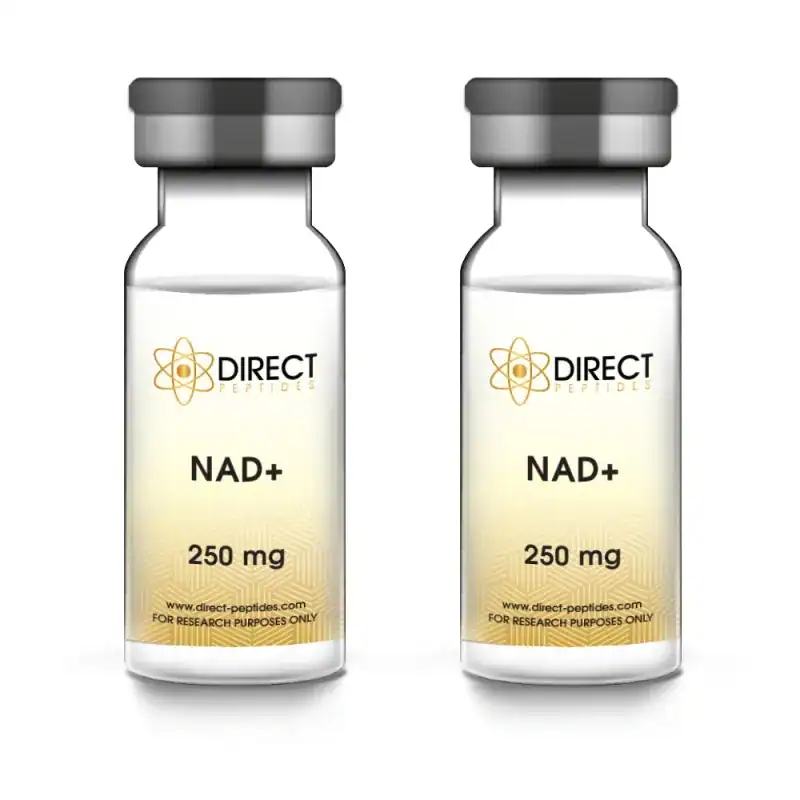
NAD+ (Nicotinamide Adenine Dinucleotide) is another molecule essential for maintaining mitochondrial function and supporting cellular repair.
As we age, NAD+ levels decline, which contributes to mitochondrial dysfunction, oxidative stress, and cognitive decline. Restoring NAD+ levels may help improve mitochondrial function and protect the brain from neurodegeneration.
Explore NAD+ from Direct Peptides , known for its role in supporting mitochondrial health and enhancing energy production while combating age-related cognitive decline.
NAD+ is required for the enzymes that produce ATP, the energy molecule crucial for cellular function. As NAD+ levels decrease, mitochondria lose their ability to generate energy efficiently, leading to cognitive decline and the development of neurodegenerative diseases. Restoring NAD+ levels can help restore mitochondrial efficiency, reduce oxidative stress and preserve cognitive function.
Peptide SS-31 shows strong potential as a neuroprotective agent. By supporting mitochondrial stability and reducing oxidative stress, it may help protect neurons and slow processes linked to neurodegeneration, including those seen in Alzheimer’s disease and Parkinson’s disease.
NAD+ also plays an important role in maintaining mitochondrial integrity and regulating oxidative balance. While both NAD+ restoration and SS-31 target mitochondrial dysfunction, their combined use remains under investigation. Together, they represent a potential strategy for addressing cognitive decline and supporting brain health.
(1) Zhu Y, Wang H, Fang J, Dai W, Zhou J, Wang X, Zhou M. SS-31 Provides Neuroprotection by Reversing Mitochondrial Dysfunction after Traumatic Brain Injury. Oxid Med Cell Longev. 2018 Aug 27;2018:4783602.
(2) Zhu Y, Luo M, Bai X, Li J, Nie P, Li B, Luo P. SS-31, a Mitochondria-Targeting Peptide, Ameliorates Kidney Disease. Oxid Med Cell Longev. 2022 Jun 6;2022:1295509.
(3) Covarrubias AJ, Perrone R, Grozio A, Verdin E. NAD+ metabolism and its roles in cellular processes during ageing. Nat Rev Mol Cell Biol. 2021 Feb;22(2):119-141.
(4) Amjad S, Nisar S, Bhat AA, Shah AR, Frenneaux MP, Fakhro K, Haris M, Reddy R, Patay Z, Baur J, Bagga P. Role of NAD+ in regulating cellular and metabolic signaling pathways. Mol Metab. 2021 Jul;49:101195.
Shop ALL Peptide Stacks from Direct Peptides today, your trusted supplier of premium clinical grade peptides online.
SS-31 may help limit brain cell death by protecting mitochondria from oxidative stress induced damage. Preclinical studies show that SS-31 stabilizes mitochondrial membranes, reduces the release of pro-apoptotic factors, and supports neuron survival. These effects help preserve cellular energy and reduce processes linked to neuronal loss in disease and injury models.
Current research suggests SS-31 reaches brain tissue in animal models after systemic administration. Studies report improvements in brain mitochondrial function and neuronal health, which indicates central nervous system exposure. However, direct human evidence confirming blood–brain barrier transport remains limited, and most data come from preclinical research settings.
SS-31 may help protect neurons from age related stress by improving mitochondrial efficiency and reducing oxidative damage. Aging brains show reduced energy production and increased reactive oxygen species. Preclinical studies demonstrate that SS-31 supports mitochondrial stability and cellular resilience, key factors that help slow age associated neuronal decline.
SS-31 supports brain energy production by stabilizing cardiolipin within mitochondrial membranes. This action improves the efficiency of the electron transport chain and supports ATP synthesis. Preclinical studies show enhanced mitochondrial respiration and energy output, which are essential for neuronal signaling, synaptic function, and overall brain metabolic activity under stress conditions.
SS 31 has demonstrated the ability to reduce neuroinflammation in preclinical brain models. Research shows decreased levels of inflammatory cytokines, reduced microglial activation, and lower oxidative stress markers. These effects result from improved mitochondrial function, which limits inflammatory signaling pathways commonly linked to neurodegeneration and cognitive decline.
NAD+ Peptide Vial
Price range: £41.48 through £91.93 Select options This product has multiple variants. The options may be chosen on the product page
Tesofensine Capsules
£159.66 Select options This product has multiple variants. The options may be chosen on the product page
SS-31 Pre-Mixed Pen 25mg Peptide
Price range: £146.33 through £395.09 Select options This product has multiple variants. The options may be chosen on the product page
SS-31 Peptide Vial
Price range: £112.50 through £296.48 Select options This product has multiple variants. The options may be chosen on the product pageDo Peptides Really Work on Aging Skin? Aging is an inevitable process, and one of the biggest concerns associated with

How Does Snap-8 Improve Skin Texture ? Snap-8 and skin texture have become a major focus in peptide research. Researchers

The Benefits of Decapeptide-12 : How Can It Help Your Aging Skin? As the years go by, our skin undergoes

Discover The Best Peptides For Energy Researchers have long been interested in peptides and their role in human vitality. These