

Peptides for Soft Tissue Injury: Discover TB500’s Potential Peptides such as TB500, BPC-157, GHK-Cu, and PTD-DBM are showing great promise

Reducing Oxidative Stress is an important topic in cellular research. Oxidative stress happens when reactive oxygen species increase faster than antioxidant systems can handle them. Research connects this imbalance with cellular pressure that affects energy use, signaling, and cell structure. Because of this, scientists study antioxidant-supporting compounds in controlled laboratory settings.
L-Glutathione plays a key role in Reducing Oxidative Stress by supporting redox balance and antioxidant activity. Researchers also study peptides such as DSIP, Epithalon, and Thymosin Alpha-1 for their role in oxidative balance pathways. Research links these peptides with improved cellular response, stress regulation, and immune signaling support in oxidative stress models.
Explore L-Glutathione at Direct Peptides, shop research-grade antioxidant compounds, and checkout with confidence for redox balance studies.

L-Glutathione supports antioxidant defense systems by controlling redox activity inside cells. Research shows that reduced glutathione binds with reactive oxygen species and limits oxidative damage to proteins, lipids, and cellular structures. This process helps cells stay stable during oxidative stress in laboratory models.
L-Glutathione also supports enzyme-based antioxidant pathways such as glutathione peroxidase. These pathways convert peroxides into less reactive molecules and help maintain antioxidant capacity. Research links this activity with balanced redox signaling and controlled oxidative response, which supports reducing oxidative stress in cellular research environments.
Explore Peptide Supplies at Direct Peptides for all your reconstitution requirements.
Prolonged oxidative stress disrupts normal cellular function by placing constant pressure on metabolic and signaling systems. Reactive oxygen species continue to build up and interfere with energy flow and cell communication. Research shows that low antioxidant capacity increases structural strain inside cells. In these conditions, reducing oxidative stress becomes harder without strong redox support.
L-Glutathione plays an important role during prolonged oxidative stress by supporting redox control inside cells. Research links glutathione availability with better management of oxidative load and improved cellular stability. When oxidative stress continues, glutathione dependent pathways help cells respond more efficiently and limit further disruption. This connection explains why researchers closely study glutathione in long-term oxidative stress models.
Alongside L-Glutathione, several peptides support reducing oxidative stress by helping cells manage stress signals and maintain internal balance during oxidative stress. These peptides do not act as primary antioxidants. Instead, they support regulatory and signaling pathways that influence how cells adapt when oxidative load increases.
Together, these peptides provide supportive benefits that enhance cellular adaptability and resilience, while L-Glutathione continues to play the central role in antioxidant and redox control.
 DSIP supports cellular stress regulation by influencing how cells respond during prolonged stress conditions. It does not neutralize reactive oxygen species directly. Instead, DSIP affects stress related signaling that helps cells stay regulated when internal pressure increases.
Evidence shows that DSIP supports a balance between oxidative activity and protective systems during stress. It also influences energy-related processes, which helps cells manage demand when stress levels rise. By supporting these regulatory pathways, DSIP helps cells remain stable and organized under sustained stress conditions linked to oxidative imbalance.
Discover DSIP from Direct Peptides , shop this regulatory peptide used in cellular stress signaling research, and checkout easily online.
Epithalon supports cellular regulation during oxidative stress by guiding how cells manage reactive oxygen species. Research shows Epithalon lowers oxidative load inside cells and supports antioxidant enzyme activity during sustained stress. This support helps cells maintain balance as oxidative stress increases.
Epithalon also supports mitochondrial stability and preserves cellular organization during oxidative stress. Research links Epithalon with reduced early cellular damage and improved control of oxidative signaling. Through these actions, Epithalon supports pathways involved in reducing oxidative stress without acting as a primary antioxidant.
Check out Epithalon from Direct Peptides , a synthetic peptide examined in research related to cellular regulation, aging pathways, and oxidative balance.
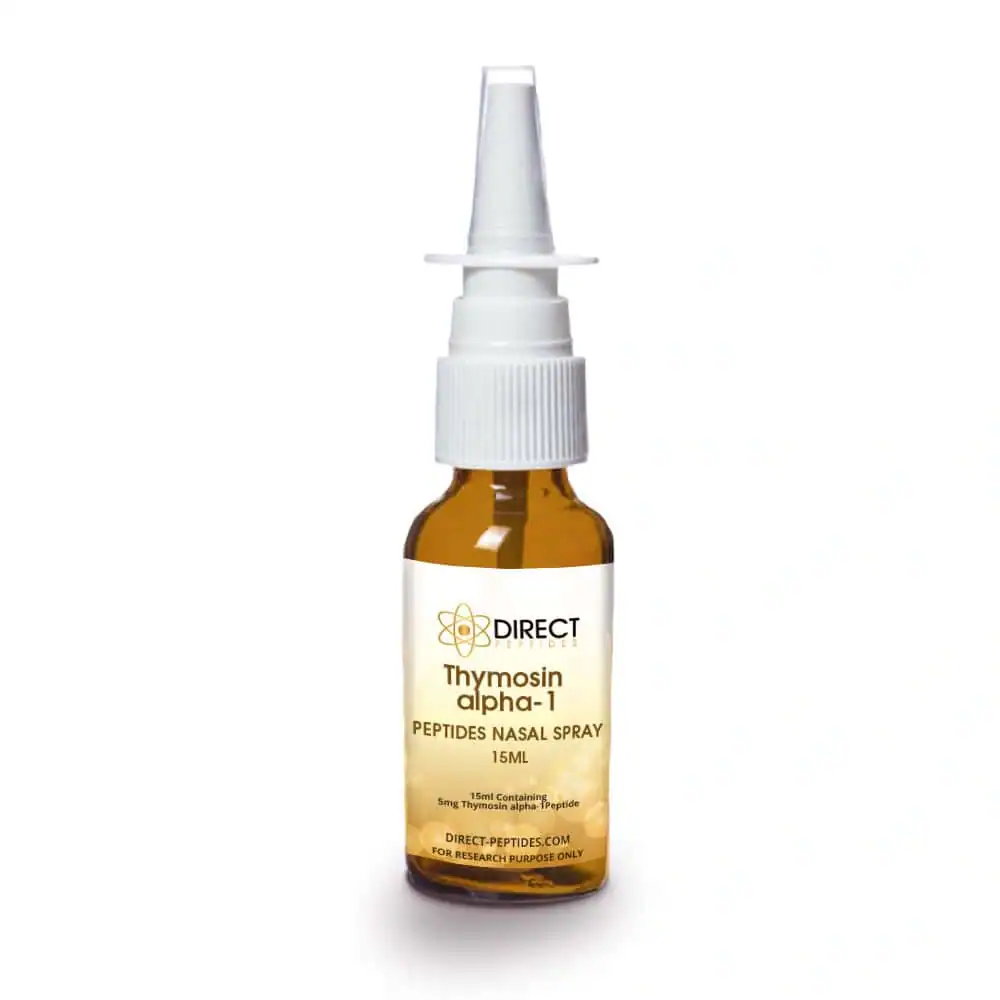
Thymosin alpha-1 supports cellular stress response by helping cells manage oxidative stress through immune linked pathways. Research shows thymosin alpha-1 supports antioxidant related enzyme activity, which helps lower reactive oxygen species and limit oxidative damage in tissues.
Thymosin alpha-1 also guides immune signaling by activating toll-like receptors and cytokine pathways. These pathways help cells organize defense responses during stress. Through these actions, thymosin alpha-1 helps maintain cellular balance and supports reducing oxidative stress by improving regulation and signaling.
Explore Thymosin Alpha-1 from Direct Peptides , shop peptides linked to immune signaling research, and checkout with worldwide access.
Different peptides contribute to reducing oxidative stress through distinct cellular roles. L-Glutathione works at the core of oxidative control, while other peptides influence how cells regulate stress, coordination and stability. Each compound supports a specific layer of the cellular response rather than performing the same function.
| Peptide | Main Role | Contribution to Oxidative Stress Control |
|---|---|---|
| L-Glutathione | Redox and antioxidant control | Limits reactive oxygen species and supports antioxidant enzyme function |
| DSIP | Stress signaling balance | Helps cells regulate internal stress responses during oxidative stress |
| Epithalon | Cellular organization | Supports mitochondrial stability and cellular regulation under stress |
| Thymosin Alpha-1 | Immune-linked coordination | Supports structured cellular response during oxidative stress |
The future of L-Glutathione in reducing oxidative stress looks encouraging as research continues to clarify its role in redox balance. Scientists are learning more about how glutathione supports cellular stability and works alongside regulatory pathways during oxidative stress.
As an online peptide retailer, Direct Peptides follows this progress closely and focuses on supplying research grade compounds that support ongoing investigation. Continued research offers hope for deeper insights and more refined approaches to oxidative balance, helping researchers explore cellular resilience with greater precision in the years ahead.
(1) Kwon DH, Cha HJ, Lee H, Hong SH, Park C, Park SH, Kim GY, Kim S, Kim HS, Hwang HJ, Choi YH. Protective Effect of Glutathione against Oxidative Stress-induced Cytotoxicity in RAW 264.7 Macrophages through Activating the Nuclear Factor Erythroid 2-Related Factor-2/Heme Oxygenase-1 Pathway. Antioxidants (Basel). 2019 Apr 1;8(4):82.
(2) Adeoye O, Olawumi J, Opeyemi A, Christiania O. Review on the role of glutathione on oxidative stress and infertility. JBRA Assist Reprod. 2018 Mar 1;22(1):61-66.
(3) Dominari A, Hathaway Iii D, Pandav K, Matos W, Biswas S, Reddy G, Thevuthasan S, Khan MA, Mathew A, Makkar SS, Zaidi M, Fahem MMM, Beas R, Castaneda V, Paul T, Halpern J, Baralt D. Thymosin alpha 1: A comprehensive review of the literature. World J Virol. 2020 Dec 15;9(5):67-78.
(4) Zhang C, Zhou Y, Yang GY, Li S. Biomimetic peptides protect cells from oxidative stress. Am J Transl Res. 2017 Dec 15;9(12):5518-5527.
Shop ALL Peptide Vials from Direct Peptides today, your trusted supplier of premium clinical grade peptides online.
Is glutathione involved in mitochondrial protection?
Yes. Glutathione supports mitochondrial protection by controlling oxidative activity inside mitochondria. Mitochondria produce reactive oxygen species during energy generation, and glutathione helps keep these molecules in balance. This control protects mitochondrial structure and supports stable energy-related processes under oxidative conditions.
What are the early signs of oxidative stress at the cellular level?
Early cellular signs of oxidative stress include rising reactive oxygen species, disrupted redox balance, and reduced efficiency in signaling and energy processes. Cells may show changes in protein function and membrane stability before visible damage occurs. These early changes indicate growing oxidative stress inside the cell.
Which cells are most affected by oxidative stress?
Cells with high energy demand face greater oxidative stress. These cells rely heavily on mitochondrial activity and generate more reactive oxygen species. Because of this, they experience higher oxidative load and require stronger antioxidant and regulatory systems to maintain balance during sustained stress conditions.
What is the difference between redox balance and oxidative stress?
Redox balance refers to a controlled state where oxidative and protective processes remain stable. Oxidative stress occurs when this balance breaks and reactive oxygen species exceed control capacity. In short, redox balance supports normal cellular function, while oxidative stress signals an imbalance that disrupts regulation.
Is glutathione involved in detox pathways beyond antioxidants?
Yes. Glutathione supports detox pathways beyond antioxidant control by participating in cellular systems that process reactive and unwanted compounds. These pathways help maintain cellular stability and support cleanup during increased oxidative or metabolic pressure, making glutathione central to broader cellular defense functions.
Peptides for Soft Tissue Injury: Discover TB500’s Potential Peptides such as TB500, BPC-157, GHK-Cu, and PTD-DBM are showing great promise

Can Melanotan 2 Increase Libido? Melanotan II (Melanotan 2) is a peptide that mimics the hormone responsible for producing melanin

The Synergy of Semax and Selank : A Breakthrough in Peptide Therapy Peptide therapy leads modern medical advances by using

Can Tesofensine Improve Your Cognitive Function? Cognitive enhancement is becoming a widely sought goal, with many individuals seeking ways to