
Do Peptides Really Work on Aging Skin? Aging is an inevitable process, and one of the biggest concerns associated with

Joint pain affects millions. For some, it’s a dull ache. For others, it’s sharp, constant, and life-altering. While physical therapy, anti-inflammatory drugs, and surgery can help, they don’t always offer long-term solutions. This is where peptides for joint pain have entered the conversation especially in the field of research.
Peptides are short chains of amino acids. In the body, they act like messengers. They tell cells to grow, repair, or reduce inflammation. In recent studies, certain peptides have been observed to support tissue healing in joints.
This includes possible effects on cartilage, tendons, and ligaments, areas that are slow to heal and often damaged by injury or age. Among the most studied in this space are BPC-157, TB500, and GHK-CU, while other peptides such as Cartalax are being explored for more targeted roles in cartilage biology.
These peptides are not approved for human use and should be used for research purposes only. Still, their roles in tissue repair, inflammation control, and regeneration are drawing more attention from scientists exploring future treatments for joint damage.
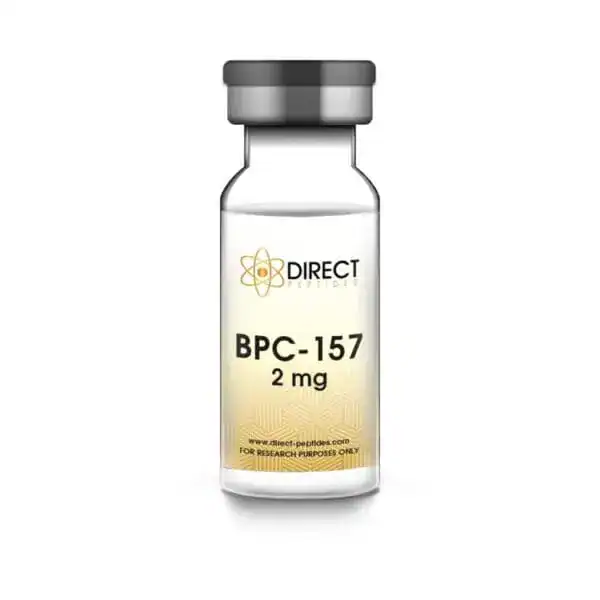
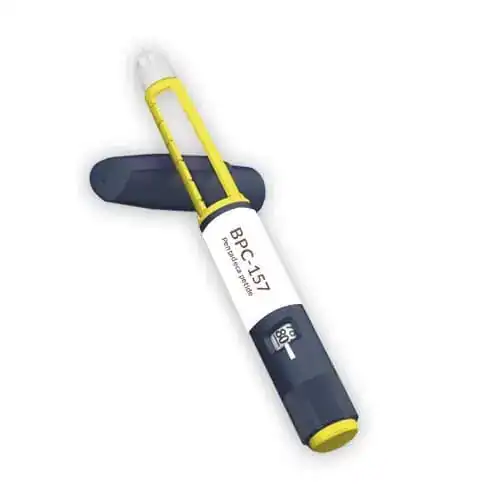
Explore BPC-157 from Direct Peptides , a research peptide known to support tendon and ligament healing through angiogenesis and tissue repair.

Healing damaged joints is challenging because cartilage, tendons, and ligaments have limited blood supply, which slows recovery. That’s why peptides for joint pain like BPC-157, TB500, and GHK-CU are gaining attention in research for their potential to accelerate tissue repair and improve healing outcomes.
BPC-157 is known in experimental research to promote angiogenesis, the growth of new blood vessels helping deliver vital nutrients to injured joint tissues. This effect may support joint recovery and has been studied in tendon and ligament injury models. Meanwhile, TB500, a synthetic peptide related to thymosin beta-4, encourages cell migration, bringing repair cells to damaged areas, which is important for connective tissue repair.
Additionally, GHK-CU stimulates collagen synthesis, a key factor in maintaining healthy cartilage and ligaments. Collagen production is crucial for joint structure and function, and peptides that influence this process are being studied in regenerative research aimed at long-term tissue support.
Beyond tissue repair, several peptides are also being studied for their role in modulating inflammation, which is a major contributor to chronic joint discomfort and degeneration.
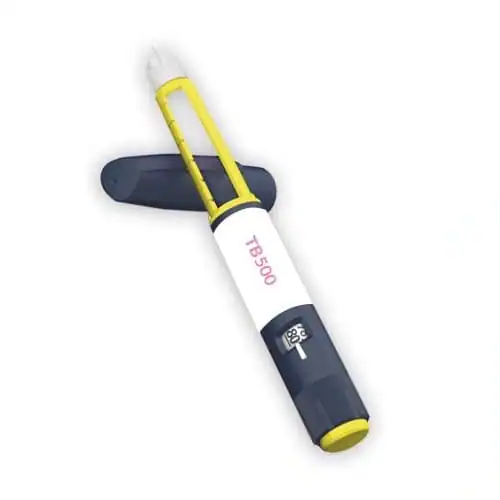
Discover TB500 from Direct Peptides , a synthetic peptide that promotes cell migration and flexibility for improved joint and muscle recovery.
Inflammation is a key driver of joint pain, contributing to swelling, stiffness, and tissue damage. Persistent inflammatory signaling can accelerate degeneration of cartilage and surrounding connective tissues.
Certain peptides have been investigated for their role in modulating inflammatory processes. BPC-157 has demonstrated anti-inflammatory activity in experimental studies, including reductions in pro-inflammatory cytokines involved in tissue injury.
TB500, derived from thymosin beta-4, is associated with actin regulation and cell migration, and has also been shown to modulate inflammatory pathways and cytokine levels in tissue repair models.
GHK-CU has demonstrated anti-inflammatory and antioxidant effects, including reductions in inflammatory mediators during tissue healing processes.
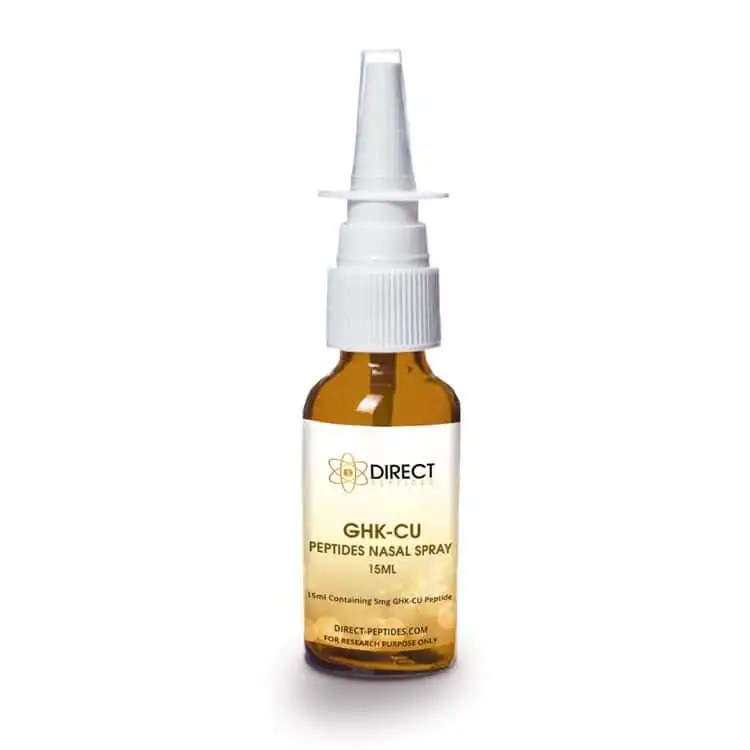
Shop GHK-CU from Direct Peptides , a copper peptide shown to stimulate collagen production and antioxidant defense for joint and skin health.
 Joint tissues like cartilage, tendons, and ligaments face constant wear and tear. Over time, this can lead to pain, stiffness, and reduced mobility. Protecting these tissues is essential for maintaining joint health and function.
Research into peptides for joint health suggests that peptides such as BPC-157, TB500, and GHK-Cu may help support and safeguard joint tissues.
BPC-157 has been studied for its role in supporting the repair of damaged tendons and ligaments by influencing collagen formation and supporting new blood vessel growth, which supplies nutrients needed for tissue maintenance.
TB500 works by increasing cell migration and supporting connective tissue repair potentially helping tissues recover after injury. Meanwhile, GHK-Cu is notable for its ability to influence antioxidant activity, which helps protect cells from oxidative damage, a key factor in tissue degradation.
By targeting multiple aspects of joint health, these peptides being studied for joint pain offer a broad approach to tissue support. This combined activity may help preserve joint structure and function, potentially reducing pain and improving joint resilience over time.
A major part of this protective effect comes from supporting collagen production, which is essential for joint health.
Explore Peptide Supplies at Direct Peptides for all your reconstitution requirements.
 Collagen is an essential structural protein that helps support joint stability. It forms the structural framework for cartilage, tendons and ligaments. When collagen levels decline, connective tissues can weaken and become more prone to injury.
In research on peptides for joint health, supporting collagen production is an important focus. Peptides like GHK-Cu have been reported to stimulate collagen synthesis, promoting stronger connective tissues. This may support repair processes and help maintain flexibility and cushioning within the joints.
Moreover, collagen plays an important role in maintaining joint structure during aging or chronic mechanical stress. When collagen levels decrease, cartilage can thin and joint surfaces may become rougher, leading to discomfort and reduced mobility.
Supporting collagen production through peptides is being explored as a potential approach to preserving joint function and reducing the effects of long-term wear and tear.
Cartalax is a short bioregulatory peptide investigated for its role in cartilage and connective tissue systems. Research shows that peptides of this class can influence gene expression and protein synthesis by interacting with cellular regulatory mechanisms, including chromatin-level signaling.
Studies focused on cartilage indicate that Cartalax may act on chondrocytes and fibroblasts, helping regulate extracellular matrix components such as collagen and proteoglycans that are essential for cartilage structure.
Its sequence is structurally related to collagen fragments, which may allow interaction with cartilage matrix systems and support tissue stability in experimental models of degeneration and aging.
Shop Cartalax from Direct Peptides , a bioregulatory peptide investigated for its role in cartilage maintenance and connective tissue support.
Aging is a major factor in joint degeneration, driven by cumulative mechanical stress and biological changes in joint tissues. Over time, cartilage thins, synovial fluid composition changes, and the capacity for tissue repair declines.
These changes are associated with stiffness, reduced mobility, and structural deterioration. Aging is also linked to decreased collagen production, which affects the integrity of cartilage, tendons, and ligaments.
Research on peptides for joint health focuses on their roles in biological processes rather than clinical outcomes. GHK-CU has been studied for its role in collagen synthesis and antioxidant activity, while BPC-157 and TB500 have been investigated in models of tissue repair and regeneration.
Given these age-related changes, researchers are exploring how peptides might support joint tissue regeneration.
Joint tissue regeneration is a complex process. Damaged cartilage, tendons, and ligaments need new cells and proteins to rebuild and restore function. Unfortunately, joint tissues regenerate slowly due to limited blood flow and low cellular activity.
Peptides studied for joint pain such as BPC-157, TB500, and GHK-CU have shown potential in research related to joint tissue repair.
BPC-157 has been investigated for its potential to encourage new blood vessel growth, which may improve nutrient delivery to injured areas. This process may support repair of tissues such as cartilage and tendons.
TB500 encourages cell migration, helping repair-related cells reach the injury site more efficiently. It has also been studied for its role in connective tissue repair. Meanwhile, GHK-CU promotes collagen synthesis and exhibits antioxidant activity helping protect cells during tissue regeneration.
By influencing multiple stages of the healing process, these peptides being studied for joint pain may support joint recovery and reduced discomfort in research settings.
Cell migration is essential for tissue repair, allowing cells to move to injury sites where they participate in regeneration and remodeling. In joint tissues such as cartilage, tendons, and ligaments, this process supports the restoration of the extracellular matrix and structural recovery.
Research shows that TB500, derived from thymosin beta-4, promotes cell migration by interacting with actin, a key protein that controls cell movement. Thymosin beta-4 acts as an actin-binding molecule that regulates cytoskeletal dynamics required for cellular motility and wound healing.
Studies also demonstrate that thymosin beta-4 increases the migration of multiple cell types and contributes to tissue repair by supporting processes such as angiogenesis and extracellular matrix remodeling during healing.
This brings the focus back to inflammation, which can either support or hinder healing depending on how it is regulated.
 Inflammation plays a dual role in joint healing. In the short term, inflammatory signals trigger the body to begin repairing damaged tissues. However, prolonged or excessive inflammation can delay healing and worsen joint pain.
Chronic inflammation damages cartilage and can weaken supporting connective tissues accelerating joint degeneration. For this reason, controlling excessive inflammation remains important for effective tissue healing and long-term joint health.
Research on peptides for joint health suggests that peptides such as BPC-157 and GHK-CU may influence inflammatory pathways involved in tissue repair. By affecting inflammatory signaling and repair-related processes, these peptides may support a more balanced inflammatory response. This balance may help limit additional joint damage and create conditions that support tissue regeneration.
Understanding how inflammation influences joint healing helps explain why researchers continue to investigate peptides as potential tools in joint health research.
With this understanding, attention often shifts to identifying which peptides show the greatest potential in studies focused on joint pain.
In research on joint-related conditions, several peptides have been investigated for their roles in tissue repair and cellular processes. Among them, BPC-157, TB500, and GHK-CU have been studied in preclinical models, while peptides such as Cartalax are being explored for cartilage-specific biological activity.
BPC-157 has been shown in experimental studies to promote angiogenesis and exhibit cytoprotective and anti-inflammatory effects associated with tissue repair.
TB500, derived from thymosin beta-4, is associated with actin regulation and cell migration, processes required for tissue remodeling and wound healing.
GHK-CU has been demonstrated to stimulate collagen synthesis and support extracellular matrix remodeling, contributing to tissue regeneration processes.
These peptides are being investigated in experimental settings, and current evidence focuses on their biological mechanisms rather than established clinical effectiveness in humans.
Research into peptides for joint pain is gradually improving our understanding of how the body repairs tissue and manages inflammation. Peptides such as BPC-157, TB500, and GHK-CU have been studied for their roles in processes like tissue repair, cell movement, and collagen production. At the same time, peptides like Cartalax are being explored for more targeted effects on cartilage biology.
Most of the available evidence comes from laboratory and preclinical studies, not from established human treatments. These peptides are not approved for human use, and research is still ongoing to better understand their safety and biological effects.
As this field develops, peptide research may help shape more targeted approaches to supporting joint structure and function. Continued investigation will be important in determining how these findings could translate into future strategies for managing joint degeneration.
(1) Lee E, Padgett B. Intra-Articular Injection of BPC 157 for Multiple Types of Knee Pain. Altern Ther Health Med. 2021 Jul;27(4):8-13.
(2) Liao HJ, Chen HT, Chang CH. Peptides for Targeting Chondrogenic Induction and Cartilage Regeneration in Osteoarthritis. Cartilage. 2024 Sep 18:19476035241276406.
(3) Pickart L, Margolina A. Regenerative and Protective Actions of the GHK-Cu Peptide in the Light of the New Gene Data. Int J Mol Sci. 2018 Jul 7;19(7):1987.
Explore ALL Peptide Stacks from Direct Peptides today, your trusted supplier of premium clinical grade peptides online.
Peptides like BPC-157, TB500, and GHK-CU are widely studied in laboratory settings, but they are not approved for human use. Safety data is still emerging, and most findings come from animal or preclinical studies. Researchers use peptides to explore tissue repair, inflammation control, and regeneration, but all applications should remain strictly within controlled research environments.
In preclinical research, peptides that promote collagen production, cell migration, and angiogenesis have been shown to improve joint function and flexibility. By supporting tissue repair and reducing inflammation, peptides such as BPC-157 and TB500 may help restore joint mobility. These findings are promising but remain limited to experimental environments rather than approved medical treatments.
Peptides act differently from traditional supplements like glucosamine or collagen. Instead of providing raw materials, peptides signal cells to repair tissues or regulate inflammation. Early research suggests this targeted action may offer unique advantages, but peptides are still experimental. Supplements have established safety profiles, whereas peptides require further validation before clinical comparisons can be applied.
Some studies indicate peptides may influence inflammation, collagen synthesis, and tissue regeneration, three key factors in chronic joint conditions. Peptides like GHK-CU and BPC-157 have been shown to modulate inflammatory markers and support cellular repair pathways. However, these results are from research settings, not clinical treatment, so long-term benefits remain under investigation.
TB500 GHK-Cu Peptide Stack
Price range: £25.83 through £34.81 Select options This product has multiple variants. The options may be chosen on the product page
BPC-157 Thymosin Alpha-1 GHK-Cu Stack
Original price was: £82.71.£74.43Current price is: £74.43. Add to cart
TWIN PACKS
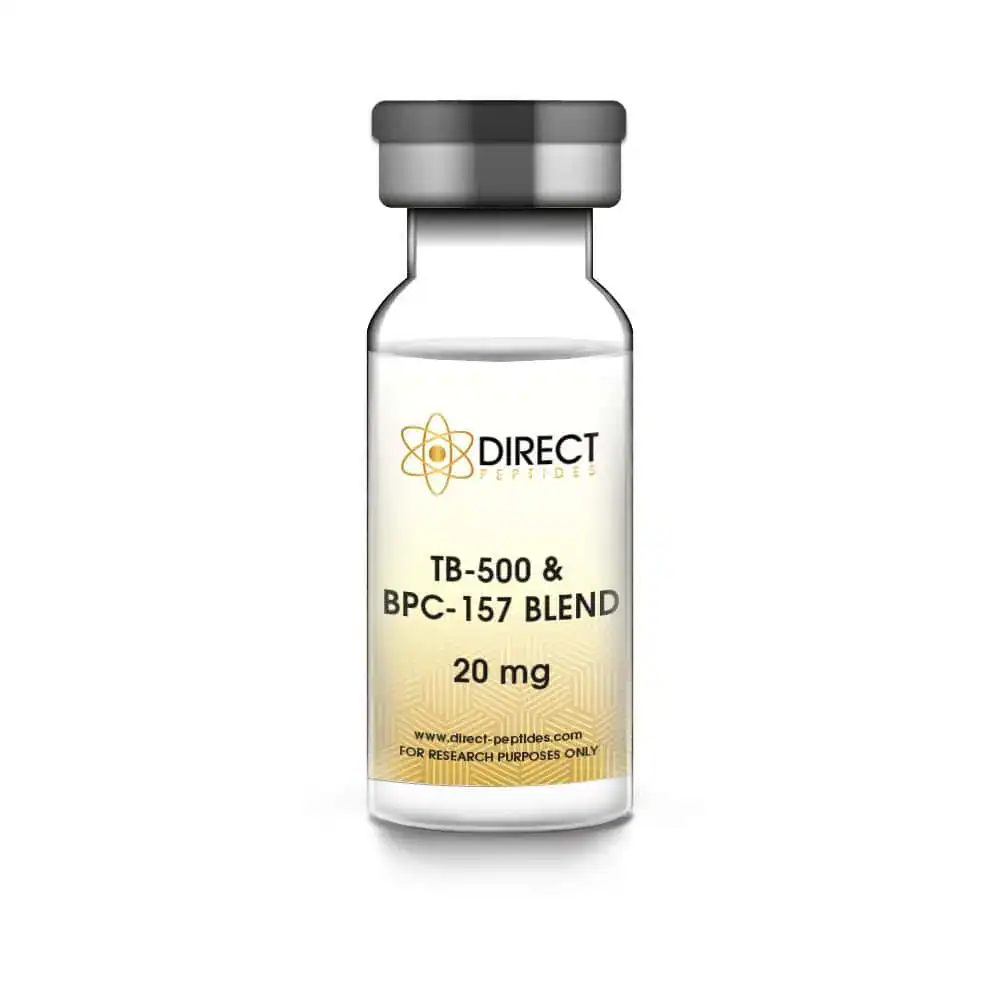
TB500 BPC157 Blend
Price range: £77.00 through £138.60 Select options This product has multiple variants. The options may be chosen on the product pageDo Peptides Really Work on Aging Skin? Aging is an inevitable process, and one of the biggest concerns associated with

How Does Snap-8 Improve Skin Texture ? Snap-8 and skin texture have become a major focus in peptide research. Researchers

The Benefits of Decapeptide-12 : How Can It Help Your Aging Skin? As the years go by, our skin undergoes

Discover The Best Peptides For Energy Researchers have long been interested in peptides and their role in human vitality. These