
Do Peptides Really Work on Aging Skin? Aging is an inevitable process, and one of the biggest concerns associated with

L-Glutathione is a naturally occurring tripeptide and the most abundant intracellular antioxidant. Scientific literature shows it acts as a central regulator of redox homeostasis, which is essential for maintaining immune health and protecting cells from oxidative stress.
Research confirms that glutathione directly supports immune cell function. T-lymphocytes, macrophages, and natural killer cells depend on it for proper activation, cytokine signaling, and metabolic balance during immune responses.
Studies also show that glutathione does not simply reduce inflammation. Its primary role is to fine-tune the immune response, allowing the body to respond to pathogens while maintaining controlled immune health and limiting damage from excessive oxidative stress.
Explore L-Glutathione from Direct Peptides , a key intracellular antioxidant studied for its role in redox balance and immune cell function.

Oxidative stress occurs when reactive oxygen species (ROS) exceed antioxidant defenses, causing damage to proteins, lipids, and DNA and disrupting cellular function.
ROS also act as essential signaling molecules that regulate immune cell activation, proliferation, and differentiation, including in T cells, macrophages, and neutrophils. However, excessive ROS can impair immune responses by suppressing T-cell function and inducing apoptosis or dysfunction.
At controlled levels, ROS are critical for host defense, as immune cells use them to kill pathogens during oxidative burst responses.
Overall, immune health depends on balanced redox regulation, as both excess and insufficient ROS can disrupt immune function and promote inflammation or disease.
Research on immune health continues to focus on compounds that modulate immune pathways and cellular defense systems. These areas are studied for their role in immune regulation and response.
These compounds are studied for their involvement in immune signaling, thymic function, and antimicrobial defense mechanisms.
Discover Thymosin Alpha-1 from Direct Peptides , an immunomodulatory peptide researched for its effects on T-cell activity and immune signaling pathways.
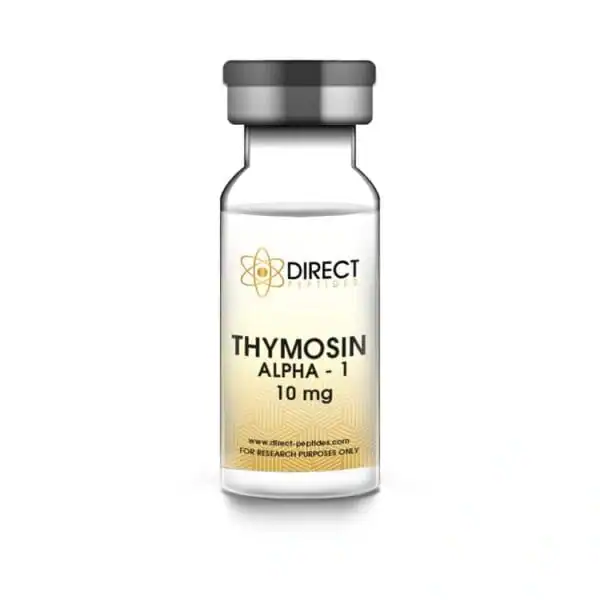
Thymosin Alpha-1 enhances immune activity by acting on key immune cells, including T cells, dendritic cells, and natural killer cells. It influences immune signaling through pathways linked to these cells.
Research shows it increases T-cell function by promoting the maturation, proliferation, and differentiation of T lymphocytes, as well as increasing interleukin-2 and its receptor expression.
Studies also report increased CD4+ T-cell levels and total T-cell counts, along with effects on thymic T-cell output and immune cell balance.
Findings across studies indicate modulation of cytokine production and immune responses, while overall clinical evidence remains limited and requires further validation.
Thymalin is a polypeptide complex derived from the thymus that has been studied for its effects on immune regulation. Research indicates that it influences immune system function by affecting lymphocytes, particularly T cells.
Studies show that thymalin can increase the functional activity of T lymphocytes and support their differentiation and maturation, processes central to adaptive immunity.
Evidence also indicates that thymalin may modulate cytokine production and immune signaling, which coordinate immune responses and inflammation.
Some findings suggest it may affect gene expression related to immune proteins and cellular processes, though the precise mechanisms remain under investigation and require further validation.
Check out Thymalin from Direct Peptides , a thymic peptide complex studied for its involvement in lymphocyte function and immune regulation.
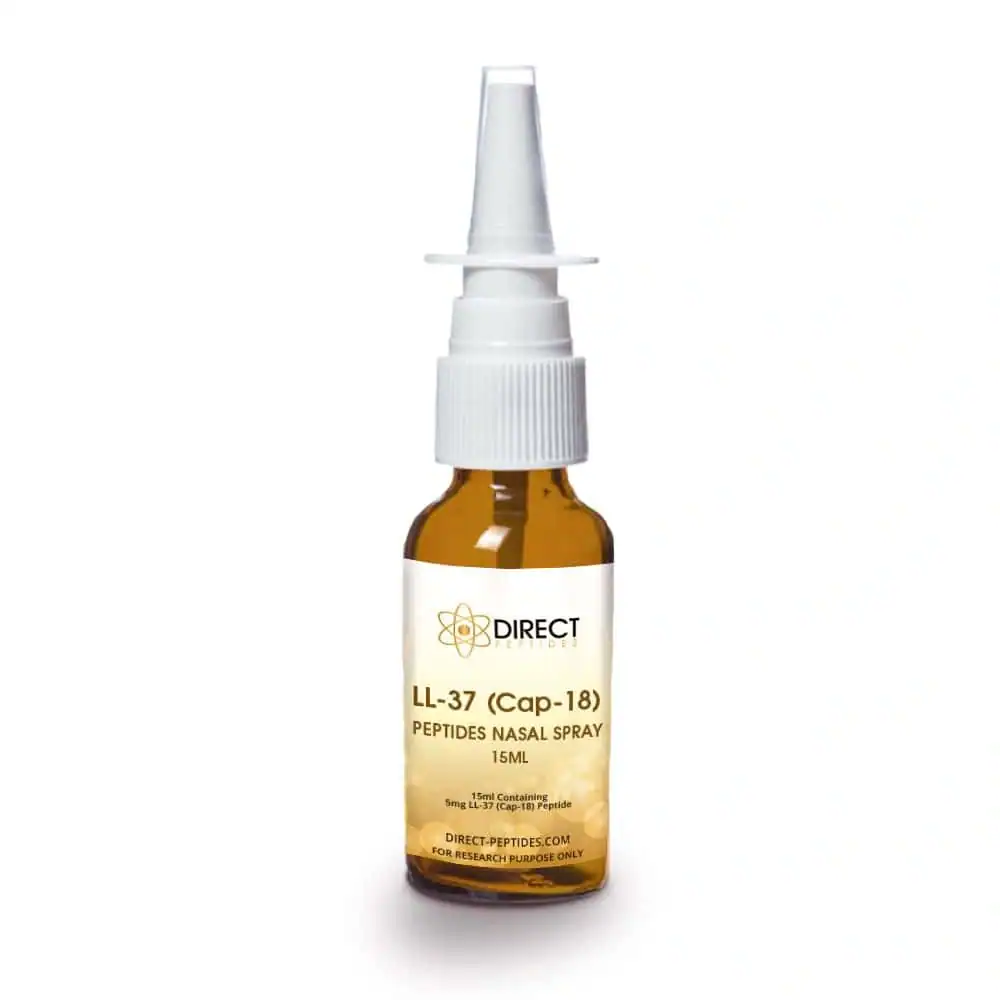
LL-37 is a human antimicrobial peptide that functions in the innate immune system, serving as an early defense against infection. It can directly kill microorganisms by binding to and disrupting bacterial cell membranes, leading to cell death.
Research shows LL-37 has broad antimicrobial activity against Gram-positive and Gram-negative bacteria, as well as other pathogens.
It also influences immune responses by attracting immune cells such as neutrophils, monocytes, and T cells, and by affecting cytokine production and inflammatory signaling.
Studies indicate that LL-37 contributes to immune defense through both direct antimicrobial effects and modulation of immune pathways, although its full mechanisms remain under investigation.
Shop LL-37 from Direct Peptides , an antimicrobial peptide researched for its role in innate immune defense and pathogen interaction.
Research in this area shows that a single mechanism cannot explain immune regulation. It depends on coordinated processes involving redox control, immune cell activity, thymic signaling, and antimicrobial defense. Each of these elements contributes to how the immune system responds and maintains balance under different conditions.
Further research is required to better define how these processes interact, especially across different experimental models. Progress will depend on consistent data, clearer mechanisms, and validation of findings, allowing a more precise understanding of immune health at the cellular and molecular level.
(1) Diotallevi M, Checconi P, Palamara AT, Celestino I, et al. Glutathione Fine-Tunes the Innate Immune Response toward Antiviral Pathways in a Macrophage Cell Line Independently of Its Antioxidant Properties. Front Immunol. 2017 Sep 29;8:1239.
(2) Abnousian A, Vasquez J, Sasaninia K, Kelley M, Venketaraman V. Glutathione Modulates Efficacious Changes in the Immune Response against Tuberculosis. Biomedicines. 2023 May 2;11(5):1340.
(3) Dominari A, Hathaway Iii D, Pandav K, Matos W, et al. Thymosin alpha 1: A comprehensive review of the literature. World J Virol. 2020 Dec 15;9(5):67-78.
(4) Khavinson VK, Linkova NS, Chalisova NI, Ivko OM. The Use of Thymalin for Immunocorrection and Molecular Aspects of Biological Activity. Biol Bull Rev. 2021;11(4):377–82.
(5) Ridyard KE, Overhage J. The Potential of Human Peptide LL-37 as an Antimicrobial and Anti-Biofilm Agent. Antibiotics (Basel). 2021 May 29;10(6):650.
What happens when glutathione levels are low?
Low glutathione levels reduce cellular antioxidant capacity and increase susceptibility to oxidative stress. Studies show that glutathione deficiency disrupts macrophage function, weakens immune containment, and impairs adaptive immune responses. This imbalance can contribute to immune dysregulation and reduced ability to control inflammatory and infectious processes.
How does oxidative stress damage the immune system?
Oxidative stress damages immune function by causing excess reactive oxygen species to attack DNA, proteins, and cellular structures. Research shows this disrupts immune signaling, promotes inflammation, and impairs immune cell activity. Elevated ROS can also trigger cell death and reduce the ability of immune cells to respond effectively to biological threats.
How do peptides affect immune signaling?
Peptides regulate immune signaling by interacting with receptors and pathways that control immune cell communication. Research shows they influence cytokine production, T-cell activation, and signaling cascades involved in immune responses. These mechanisms help coordinate immune activity and maintain balance across different immune pathways under varying biological conditions.
What are antimicrobial peptides in immunity?

Thymalin Pre-Mixed Pen 20mg Peptide
Price range: £33.59 through £90.63 Select options This product has multiple variants. The options may be chosen on the product page
L-Glutathione Peptide Vial 200mg
Price range: £17.50 through £26.48 Select options This product has multiple variants. The options may be chosen on the product page
Thymosin Alpha-1 LL-37 VIP Peptide Stack
Original price was: £111.88.£100.69Current price is: £100.69. Add to cart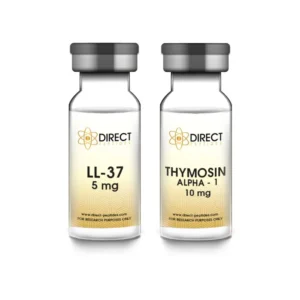
LL-37 Thymosin Alpha-1 Peptide
Price range: £85.58 through £94.56 Select options This product has multiple variants. The options may be chosen on the product pageDo Peptides Really Work on Aging Skin? Aging is an inevitable process, and one of the biggest concerns associated with

How Does Snap-8 Improve Skin Texture ? Snap-8 and skin texture have become a major focus in peptide research. Researchers
The Benefits of Decapeptide-12 : How Can It Help Your Aging Skin? As the years go by, our skin undergoes

Discover The Best Peptides For Energy Researchers have long been interested in peptides and their role in human vitality. These