
Do Peptides Really Work on Aging Skin? Aging is an inevitable process, and one of the biggest concerns associated with

Fatigue often begins deeper in the brain, where signaling systems regulate wakefulness, energy balance and cognitive function. It goes beyond poor sleep or long work hours and connects to how the body manages energy at a biological level. Research shows that brain networks involved in sleep-wake control and metabolism play a key role in fatigue states.
Researchers focus on neuropeptides because they influence alertness, focus and overall performance. These compounds help regulate how the brain stays active and how energy systems respond under different conditions, which makes them highly relevant in fatigue-related research.
In this article, we compare Orexin A and Protirelin, examine how each works within fatigue-related pathways, and determine which shows stronger research potential for Fighting Fatigue.
Explore Orexin A from Direct Peptides , a research peptide that supports wakefulness, alertness, and neural activity linked to fatigue-related pathways.
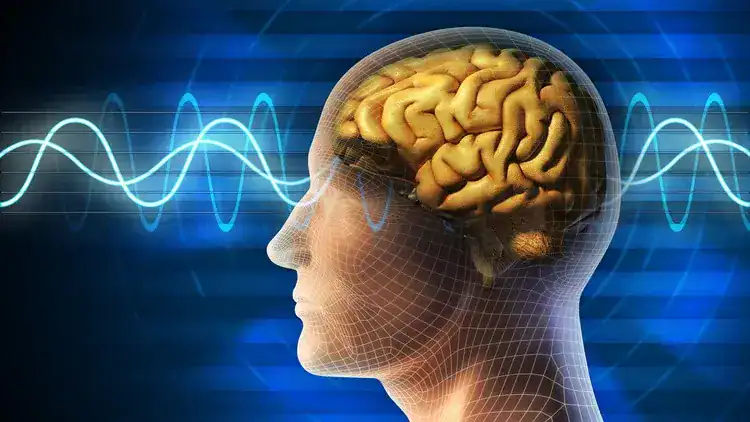
Neuropeptides regulate brain systems that control wakefulness, energy balance, and metabolic activity. Research shows that orexin-related signaling coordinates sleep-wake regulation and maintains arousal by activating widespread neural networks.
These pathways interact with hypothalamic networks that integrate metabolic and physiological signals. Studies show that orexin neurons respond to energy status and relay this information across the central nervous system to maintain stable wakefulness and energy balance.
Neuropeptides also link neural and endocrine systems. TRH-based signaling regulates hormonal pathways that control metabolism and energy output, while also increasing neuronal activity in the brain.
Orexin A regulates wakefulness and helps the brain stay alert. Research shows that orexin-producing neurons activate systems linked to arousal, attention and energy use. These neurons stimulate neurotransmitters such as dopamine and norepinephrine, which support focus and mental performance.
Studies link reduced orexin activity with excessive sleepiness, reduced alertness, and unstable sleep-wake cycles. Researchers study Orexin A in models that focus on low energy states and poor alertness, both of which relate closely to Fighting Fatigue.
Orexin A also connects energy balance with brain activity. It responds to metabolic signals and helps coordinate how the brain maintains alertness under different conditions.
While Orexin A focuses on neural alertness, other peptides act through different regulatory systems that influence energy in distinct ways.
Protirelin, a synthetic form of thyrotropin-releasing hormone (TRH), regulates energy balance by stimulating thyroid-stimulating hormone release. This process controls thyroid hormone activity, which influences metabolic rate, thermogenesis, and energy homeostasis.
Research shows that Protirelin also acts as a neuromodulator in the central nervous system. It increases neuronal activity and enhances arousal-related signaling, which affects alertness and brain responsiveness.
Studies on TRH and its analogs report reduced fatigue-like behavior and increased activity levels in experimental models. These effects link to its role in neuroendocrine regulation and energy control mechanisms associated with fighting fatigue. These differences highlight how separate biological systems contribute to fatigue through distinct mechanisms.
Discover Protirelin from Direct Peptides , a TRH-based peptide studied for its role in regulating metabolic activity and energy balance through neuroendocrine signaling.
Neural pathways act quickly and control immediate alertness and wakefulness. Research shows that neuropeptides like orexin activate widespread brain networks that regulate arousal, sleep–wake cycles and behavioral activity through direct neuronal signaling.
Hormonal pathways work more slowly and regulate energy at a systemic level. Neuropeptides can also function through endocrine routes, where signals pass from the brain to glands and influence metabolism, energy balance and physiological state over time.
The hypothalamus links these two systems by integrating neural signals with hormonal output. This coordination allows the body to adjust both short-term alertness and long term energy regulation in processes involved in Fighting Fatigue.
Explore Peptide Supplies at Direct Peptides for all your reconstitution requirements.
Orexin A and Protirelin influence fatigue through distinct regulatory systems that differ in signaling speed, target networks, and energy control mechanisms. These differences shape how each peptide affects short-term alertness versus long-term metabolic balance.
| Aspect | Orexin A | Protirelin (TRH) |
| Primary System | Central nervous system (neural circuits) | Neuroendocrine system (hypothalamic–pituitary–thyroid axis) |
| Main Action | Activates arousal networks and stabilizes wakefulness | Regulates thyroid hormones and metabolic activity |
| Signal Type | Fast neuronal signaling | Slower hormonal signaling |
| Energy Role | Supports alertness and behavioral activation | Controls metabolic rate and energy production |
| Fatigue Focus | Wakefulness and alertness regulation | Systemic energy balance and metabolic control |
These pathways help define how each peptide performs across different fatigue-related conditions
Current research shows that Orexin A and Protirelin produce different effects under specific experimental conditions. Studies indicate that Orexin A shows stronger outcomes in models that measure behavioral activation and wake-driven performance. In contrast, Protirelin shows stronger outcomes in models that assess metabolic activity and endocrine-driven energy regulation.
These differences reflect how each peptide interacts with separate regulatory systems involved in Fighting Fatigue. Their effectiveness depends on the dominant pathway being studied rather than a single universal response. Research continues to explore how these peptides perform, and future studies may clarify their specific roles in Fighting Fatigue.
Peptide research continues to advance as scientists study how these compounds regulate energy balance, neural signaling and metabolic control. Current studies focus on pathway-specific activity to understand how different biological systems respond in fatigue related conditions.
Ongoing research on Orexin A and Protirelin examines how each peptide interacts with distinct regulatory systems linked to alertness and energy output. Future findings may define more precise roles for these peptides and guide targeted approaches to Fighting Fatigue based on underlying biological mechanisms.
(1) Nixon JP, Kotz CM, Novak CM, Billington CJ, Teske JA. Neuropeptides controlling energy balance: orexins and neuromedins. Handb Exp Pharmacol. 2012;(209):77-109.
(2) Seigneur E, de Lecea L. Hypocretin (Orexin) Replacement Therapies. Med Drug Discov. 2020 Dec;8:100070.
(3) Taylor JL, Amann M, Duchateau J, Meeusen R, Rice CL. Neural Contributions to Muscle Fatigue: From the Brain to the Muscle and Back Again. Med Sci Sports Exerc. 2016 Nov;48(11):2294-2306.
(4) Harrington ME. Neurobiological studies of fatigue. Prog Neurobiol. 2012 Nov;99(2):93-105.
Shop ALL Peptide Vials from Direct Peptides today, your trusted supplier of premium clinical-grade peptides online.
Is fatigue caused more by brain or hormones?
Fatigue involves both brain and hormonal systems, not one alone. Brain pathways control alertness and signaling through neurotransmitters, while hormones regulate metabolism and energy output. Research shows that the hypothalamus links these systems, allowing neural and endocrine signals to work together. The dominant cause depends on whether fatigue arises from impaired alertness or reduced metabolic activity.
What brain chemicals are involved in Fighting Fatigue?
Brain chemicals such as dopamine, norepinephrine, and serotonin regulate alertness, focus, and energy signaling. Orexin also plays a key role by activating these neurotransmitter systems and maintaining wakefulness. Research shows that changes in these chemicals can reduce cognitive performance and energy levels, which directly affects processes involved in Fighting Fatigue.
How does orexin affect mood and motivation?
Orexin influences mood and motivation by activating brain regions linked to reward, arousal, and behavioral drive. It interacts with dopamine pathways that regulate goal directed activity and mental engagement. Research shows that reduced orexin signaling can lower motivation and disrupt normal behavioral responses, which can affect overall energy regulation and performance.
What is the difference between fatigue and sleepiness?
Fatigue refers to low energy and reduced performance, while sleepiness involves a strong drive to sleep. Research shows that sleepiness relates to sleep wake regulation, while fatigue often links to metabolic or neural imbalance. These states can overlap but they arise from different biological processes and affect alertness and energy in distinct ways.
Is Fighting Fatigue linked more to energy or alertness?
Fighting Fatigue depends on both energy regulation and alertness. Alertness relies on neural signaling that maintains wakefulness, while energy depends on metabolic processes controlled by hormonal systems. Research shows that these pathways work together, and imbalance in either system can reduce overall performance and stability in fatigue related conditions.

Protirelin TRH Peptide Vial
Price range: £32.08 through £41.06 Select options This product has multiple variants. The options may be chosen on the product page
Adamax Peptide Vial
Price range: £45.12 through £54.10 Select options This product has multiple variants. The options may be chosen on the product page
Orexin A Peptide Vial
Price range: £98.75 through £107.73 Select options This product has multiple variants. The options may be chosen on the product pageDo Peptides Really Work on Aging Skin? Aging is an inevitable process, and one of the biggest concerns associated with

How Does Snap-8 Improve Skin Texture ? Snap-8 and skin texture have become a major focus in peptide research. Researchers

The Benefits of Decapeptide-12 : How Can It Help Your Aging Skin? As the years go by, our skin undergoes

Discover The Best Peptides For Energy Researchers have long been interested in peptides and their role in human vitality. These