
Peptides for Soft Tissue Injury: Discover TB500’s Potential Peptides such as TB500, BPC-157, GHK-Cu, and PTD-DBM are showing great promise

Stress and anxiety affect millions of people every day, making even simple tasks feel impossible. These conditions can make life really tough for anyone dealing with chronic stress and anxiety management challenges.
Scientists have been studying special compounds called nootropics that might help improve brain health and cognitive function. What if you could regain mental clarity naturally?
Research shows that certain peptides could enhance cognitive performance and help your brain handle stress better through improved neurotransmitter support.
The best nootropics for stress and anxiety include research peptides like Semax, Selank, and Oxytocin. These peptides are for research use only not for human use.
Lab studies show promising results for cognitive enhancement and stress relief. Understanding how these compounds actually work is key to research progress.
Explore Semax from Direct Peptides , a cognitive peptide that supports focus, memory, and brain resilience under stress.

Brain uses special chemical messengers called neurotransmitters for mental clarity and emotional regulation. When you’re stressed, these brain chemistry signals get completely out of balance, creating anxiety and worry that disrupts daily life.
Does it feel like your thoughts are constantly racing? Nootropic supplements help fix this imbalance through targeted stress response modulation and cortisol regulation.
They work by supporting healthy brain chemistry pathways and GABA enhancement. Some research compounds like Selank boost good brain chemicals like serotonin and dopamine.
Others protect brain cells from damage caused by stress hormones. Think of cortisol as your brain’s overactive alarm system. Too much cortisol can seriously hurt memory and mood.
Research peptides may help control this stress response naturally, which is why they’re considered among the best nootropics for stress and anxiety for laboratory studies.
Discover Selank from Direct Peptides , a calming peptide researched for anxiety relief and emotional stability.
Chronic stress damages the brain by keeping stress hormones, especially cortisol, elevated for long periods. Persistent cortisol exposure disrupts normal brain function and alters brain structure, particularly in the hippocampus and prefrontal cortex.
The hippocampus supports memory and learning and the prefrontal cortex guides decision making, stress hormones strongly affect these regions. Long term stress is associated with reduced hippocampal volume and impaired memory performance.
Chronic stress suppresses adult neurogenesis, particularly in animal models, and disrupts neuroplasticity. This process can limit the brain’s ability to form new neurons and strengthen neural connections.
In addition, prolonged stress increases neuroinflammatory signaling, which interferes with communication between brain cells. Together, these changes may reduce cognitive flexibility, emotional regulation and overall mental performance.
Explore Peptide Supplies at Direct Peptides for all your reconstitution requirements.
Neural networks act like highways that connect different brain regions and support cognitive function. When these connections function properly, thoughts move smoothly between areas. Efficient signaling improves focus, decision making and overall mental performance.
When neural networks break down, communication between brain regions becomes less efficient. Information moves more slowly through the brain, which helps explain stress related brain fog and confusion. This reduced efficiency makes even simple tasks feel more mentally demanding.
Research suggests that Semax may influence these pathways through changes in BDNF expression observed in animal studies. This peptide increases brain derived neurotrophic factor in preclinical research, and BDNF supports neuronal survival and synaptic plasticity.
Studies in animal models suggest that Semax may support synaptic plasticity, making it a candidate for nootropic research focused on stress and anxiety.
Brain pathways work like traffic control systems with built in prioritization mechanisms. Each pathway processes different types of information at varying speeds.
Salience related signals receive faster processing, while routine cognitive activity moves through regulatory circuits that support efficiency. The brain constantly evaluates which information requires immediate attention.
In low stress states, prefrontal networks regulate emotional and cognitive responses effectively. However, chronic stress disrupts these control mechanisms and impairs coordinated information processing.
Research suggests that certain nootropic compounds studied for stress and anxiety may influence pathway function through modulation of neurotransmission and signal processing.
Selank has demonstrated anxiolytic effects in preclinical and limited clinical research and appears to modulate GABAergic and related signaling systems. This regulatory action may support more balanced neural activity under stress conditions.
Stress triggers the brain’s alarm system and shifts processing priorities toward threat detection. Instead of carefully filtering information, the brain becomes less efficient at selective attention under stress.
This reduced efficiency creates a bottleneck that slows cognitive performance. The breakdown often follows a recognizable pattern. First, the brain becomes less effective at ignoring unimportant details. Then, it struggles to properly prioritize urgent and routine information.
Finally, processing speed declines across multiple functions, contributing to mental fatigue. Research suggests that Oxytocin may influence emotional processing under certain stress conditions.
This peptide appears to modulate threat related signaling and social stress responses. Studies suggest that some nootropic compounds for stress and anxiety may target stress related disruptions in cognitive processing.
Check out Oxytocin from Direct Peptides , a social peptide linked to mood regulation and reduced stress response.
High cognitive load can make simple tasks feel significantly harder to complete. The brain struggles to switch between different activities, causing delays and mistakes. Even basic decisions require more effort when mental resources are depleted.
Memory formation becomes less efficient under cognitive overload. This can lead to forgetting appointments, losing track of conversations, or misplacing everyday items. As performance declines, stress levels may rise because daily tasks feel more difficult to manage.
Research suggests that certain nootropic compounds studied for stress and anxiety may help reduce mental fatigue and support task switching abilities. These compounds may support cognitive flexibility during periods of elevated stress.
Task switching problems occur when executive control networks become less efficient under stress. The prefrontal cortex directs attention and enables shifting between tasks but stress impairs its function and disrupts executive processes.
Switching requires cognitive resources to disengage from one activity and engage another. Chronic stress reduces processing efficiency, increases cognitive fatigue, and leads to more switching errors and slower reaction times, affecting daily performance.
Research on anxiolytic peptides suggests that modulation of stress related neurotransmitter systems may influence cognition under stress. Selank has shown anxiolytic effects in animal and limited clinical studies, with evidence of GABAergic modulation. However, direct evidence for improved task switching remains limited.
Peptide research shows strong potential for advancing stress and anxiety management. Scientists are developing new compounds that target specific brain pathways with greater precision. This personalized approach may reshape how researchers understand and address stress related disorders.
Researchers are shifting focus toward preventive applications rather than treatment alone. Future studies may clarify how certain nootropic compounds for stress and anxiety influence resilience to stress related cognitive changes. This proactive direction may help support cognitive function over time.
Ongoing research continues to improve peptide delivery systems, refine dosing strategies and expand understanding of how these compounds influence neural resilience. As scientific investigation progresses, peptide based interventions may play a larger role in cognitive health and stress management strategies.
Lab studies with peptides show effects like headaches, sleep changes, and mild fatigue. Semax and Selank research reports minimal adverse reactions in controlled studies. These findings help researchers understand safety profiles for future applications.
Direct Peptides is your best source for research-grade peptides. We’re a leading international supplier with 99% purity guarantee. Unlike other suppliers, we provide certificates of analysis and serve researchers worldwide.
Studies with Semax and Selank show good safety profiles in laboratory settings. Research safety depends on proper protocols, quality compounds, and controlled environments. Always follow institutional safety guidelines when conducting peptide studies.
Oxytocin studies show promise for understanding social bonding mechanisms. Selank research demonstrates anxiolytic properties in lab settings. These are among the best nootropics for stress and anxiety research applications for studying emotional processing.
Selank offers well-documented research protocols and extensive literature support. It’s considered one of the best nootropics for stress and anxiety studies with minimal adverse effects reported. Start with single-compound studies before exploring combinations.
(1) Kasian A, Kolomin T, Andreeva L, Bondarenko E, et al. Peptide Selank Enhances the Effect of Diazepam in Reducing Anxiety in Unpredictable Chronic Mild Stress Conditions in Rats. Behav Neurol. 2017;2017:5091027.
(2) Glazova NY, Manchenko DM, Volodina MA, Merchieva SA, et al. Semax, synthetic ACTH(4-10) analogue, attenuates behavioural and neurochemical alterations following early-life fluvoxamine exposure in white rats. Neuropeptides. 2021 Apr;86:102114.
(3) Yoon S, Kim YK. The Role of the Oxytocin System in Anxiety Disorders. Adv Exp Med Biol. 2020;1191:103-120.
(4) Takayanagi Y, Onaka T. Roles of Oxytocin in Stress Responses, Allostasis and Resilience. Int J Mol Sci. 2021 Dec 23;23(1):150.
Explore ALL Peptide Vials from Direct Peptides today, your trusted supplier of premium clinical grade peptides online.
Selank Nasal Spray
Price range: £42.58 through £79.16 Select options This product has multiple variants. The options may be chosen on the product page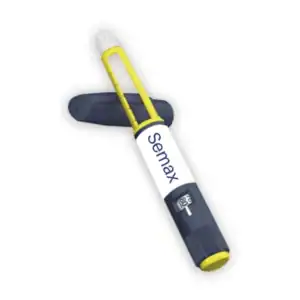
Semax Pre-Mixed Pen 2mg Peptide
Price range: £25.19 through £68.01 Select options This product has multiple variants. The options may be chosen on the product page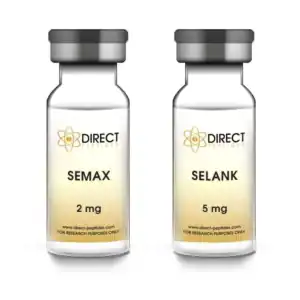
Semax Selank Peptide Stack
Price range: £29.50 through £38.42 Select options This product has multiple variants. The options may be chosen on the product page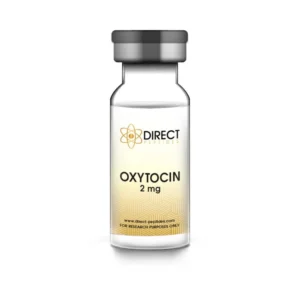
Oxytocin Peptide Vial 2mg
Price range: £8.43 through £17.41 Select options This product has multiple variants. The options may be chosen on the product pagePeptides for Soft Tissue Injury: Discover TB500’s Potential Peptides such as TB500, BPC-157, GHK-Cu, and PTD-DBM are showing great promise

Can Melanotan 2 Increase Libido? Melanotan II (Melanotan 2) is a peptide that mimics the hormone responsible for producing melanin

The Synergy of Semax and Selank : A Breakthrough in Peptide Therapy Peptide therapy leads modern medical advances by using

Can Tesofensine Improve Your Cognitive Function? Cognitive enhancement is becoming a widely sought goal, with many individuals seeking ways to