
Ipamorelin vs GHRP-2 : Which Peptide Shows More Targeted GH Release? Growth hormone research includes peptides that influence how and

NAD+ plays a vital role in cellular metabolism, the process the body uses to convert food into energy. This molecule, Nicotinamide Adenine Dinucleotide (NAD+), is a coenzyme involved in redox reactions and is central to energy metabolism in cells.
ATP fuels important functions like muscle contractions, thinking, and breathing. NAD+ carries electrons to the mitochondria to power ATP production, the primary energy source for all cellular functions. However, with aging, NAD+ levels have been shown to decline in multiple tissues, and this reduction is associated with changes in energy metabolism, cellular function, and age-related conditions.
It is important to keep NAD+ levels in a healthy range for proper metabolism and overall well-being. NAD+ also drives essential processes such as DNA repair, gene regulation, and mitochondrial function through NAD+-dependent enzymes.
In this article, we will look at the different ways NAD+ energy supports the body, how aging affects its levels, and ways to potentially restore NAD+ to support overall health and longevity.
Discover NAD+ Peptides from Direct Peptides , a vital molecule that supports energy production, promotes cellular health, and helps combat the effects of aging.
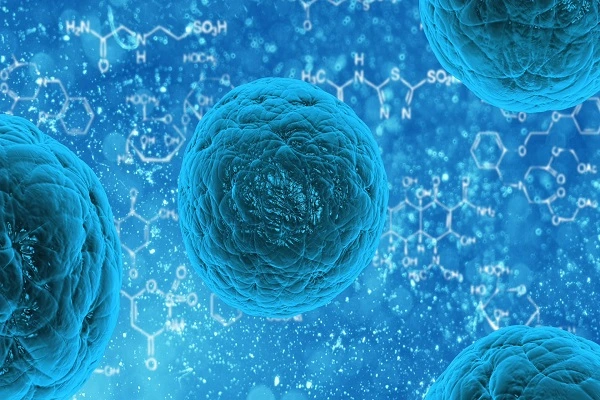
One of the primary roles of Nicotinamide Adenine Dinucleotide (NAD+) is to aid in ATP production, which is the energy source for all cells in the body. This process happens in the mitochondria, which are often called the “powerhouses” of the cell.
During oxidative phosphorylation, NAD+ helps transfer electrons, which in turn helps generate ATP. When ATP is made efficiently, cells can do their tasks well, whether it’s muscle contraction or brain function.
As NAD+ energy levels decrease, the ability to produce ATP also decreases. This leads to fatigue, slower recovery, and reduced physical performance. For this reason, maintaining high NAD+ levels can help improve energy production and contribute to better overall health. By restoring NAD+ levels, scientists have been studying ways to bring back this vital process and fight the effects of aging.
Explore Peptide Supplies at Direct Peptides for all your reconstitution requirements.
As we grow older, NAD+ levels have been shown to decline in multiple tissues, which can affect metabolism. This reduction in NAD+ is associated with changes in NAD+ energy metabolism and cellular function.
Falling NAD+ levels directly impair cellular repair. This decline reduces the activity of Sirtuins, the enzymes responsible for DNA repair and the regulation of vital cellular processes.
This reduction is associated with impaired DNA repair and increased cellular stress, which are linked to aging-related changes. For this reason, maintaining NAD+ energy balance is an area of active research in age-related metabolic disorders.
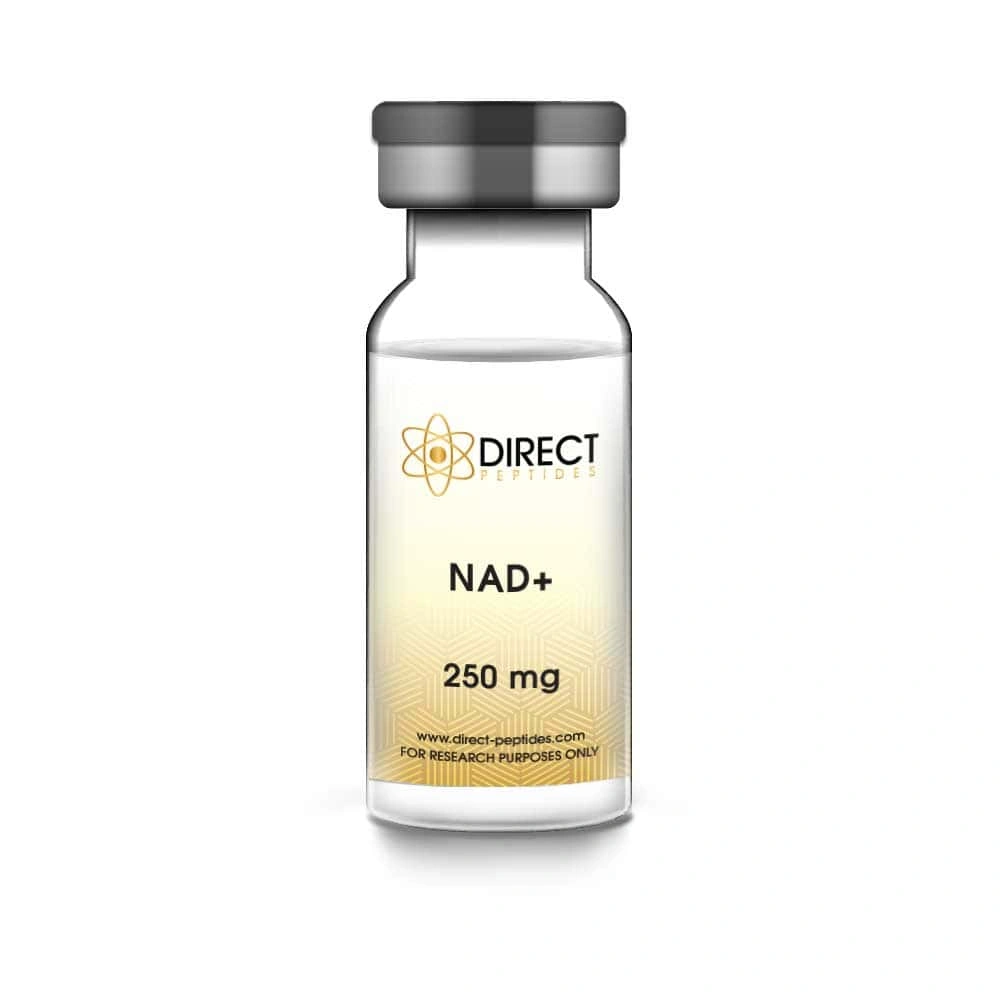
NAD+ is crucial for the health and functioning of the mitochondria, which are responsible for generating the majority of the body’s energy. The mitochondria need NAD+ to produce ATP effectively through oxidative phosphorylation. Without enough NAD+ levels, mitochondria struggle to produce energy efficiently. This affects overall cellular function.
As mitochondrial health worsens due to reduced NAD+ levels, the efficiency of energy production drops. This leads to fatigue, muscle weakness, and slower recovery.
The good news is that research suggests restoring NAD+ energy levels may help rejuvenate mitochondrial function, improve ATP production, and enhance overall metabolic health. This has exciting potential for combating age-related diseases and improving longevity.

While NAD+ is critical for cellular energy production, other peptides like MOTS‑C can also play a complementary role in metabolic regulation. MOTS-C is a mitochondrial-derived peptide that has been shown to regulate glucose metabolism and metabolic homeostasis.
Research has shown that MOTS-C is associated with improved insulin sensitivity and regulation of metabolic pathways, supporting overall metabolic function.
Though MOTS-C does not directly increase NAD+ energy levels, it is involved in mitochondrial metabolic processes and cellular energy regulation. This is associated with changes in energy metabolism, particularly in conditions linked to metabolic dysfunction.
Understanding how peptides like MOTS-C interact with NAD+ energy pathways remains an area of ongoing research in metabolic health and aging.
Explore MOTS-C Peptides from Direct Peptides, a mitochondrial-derived peptide that enhances metabolic health, improves insulin sensitivity, and supports healthy aging.
NAD+ functions as a substrate for enzymes involved in the DNA damage response, including poly(ADP-ribose) polymerases (PARPs) and sirtuins, which participate in DNA repair and genome maintenance.
NAD+ directly influences DNA repair capacity. Reduced NAD+ levels limit the activity of these NAD+-dependent enzymes and are associated with decreased DNA repair efficiency and increased accumulation of DNA damage.
PARPs act as DNA damage sensors and initiate repair by recruiting DNA repair proteins, while sirtuins regulate chromatin and DNA repair processes in an NAD+-dependent manner.
NAD+ energy pathways therefore support genome stability through these NAD+-dependent repair mechanisms, which are linked to cellular function and aging-related biological processes.
With the growing awareness of NAD+ role in health, several supplements have been developed to boost NAD+ levels. Nicotinamide riboside (NR) and nicotinamide mononucleotide (NMN) are two commonly researched compounds that can increase NAD+ production in the body.
These NAD+ boosters work by providing the precursors needed for the body to make more NAD+. This helps improve energy production, enhance mitochondrial function, and support overall metabolic health.
Many studies suggest that supplementing with NR or NMN can raise NAD+ levels. This can offer benefits like improved muscle strength, cognitive function, and better insulin sensitivity. However, while promising, more research is needed to fully understand the long-term effects and best dosages of these NAD+ boosters.
5-Amino-1MQ is a small molecule that inhibits nicotinamide N-methyltransferase (NNMT), an enzyme that methylates nicotinamide, reducing its availability for NAD+ synthesis.
Inhibiting NNMT helps preserve nicotinamide for NAD+ biosynthesis and can increase intracellular NAD+ levels. This change affects NAD+ energy metabolism and related cellular pathways.
Preclinical studies show that NNMT inhibition reduces lipogenesis in adipose tissue and increases NAD+ availability. In animal models, treatment with 5-amino-1MQ reduced body weight and fat mass without changing food intake.
Current evidence is limited to laboratory and animal studies, and human clinical data are not yet available.
Check out 5-Amino-1MQ from Direct Peptides , studied for its interaction with NNMT and its role in cellular metabolism research.

One of the most promising areas of research for NAD+ is its potential to address metabolic diseases such as obesity and type 2 diabetes. NAD+ plays a key role in regulating how the body processes food, especially glucose and fat. When NAD+ levels are low, the body struggles to metabolize these nutrients efficiently.
This can lead to insulin resistance and weight gain. By boosting NAD+ levels, the body may become more effective at processing glucose, improving insulin sensitivity, and reducing the risk of metabolic diseases.
Early studies show that NAD+ boosters like NR and NMN can improve fat metabolism, help regulate blood sugar, and enhance overall metabolic function. This makes NAD+ energy an exciting area of study for the treatment and prevention of obesity and diabetes.
NAD+ plays an important role in cardiovascular function by supporting cellular energy metabolism and redox reactions in heart and vascular cells. It acts as an electron carrier in metabolic pathways that maintain cellular function and survival.
NAD+ also regulates sirtuins, NAD+-dependent enzymes involved in endothelial function, inflammation, and oxidative stress. Changes in NAD+ levels are linked to vascular dysfunction and age-related cardiovascular diseases.
Studies show that NAD+ pathways influence blood vessel function. Increasing NAD+ levels has been associated with improved endothelial function, reduced vascular inflammation, and lower oxidative stress.
NAD+ energy pathways are therefore closely linked to vascular health and age-related changes, including vascular aging and heart disease.
NAD+ plays an important role in how cells produce energy, repair damage, and maintain normal function over time. As NAD+ levels decline with age, these processes become less efficient, which is why it remains a key focus in aging research.
Studies on compounds such as Nicotinamide riboside and Nicotinamide mononucleotide show that NAD+ levels can be increased, though the long-term effects and practical outcomes are still being evaluated.
Overall, NAD+ energy is closely linked to metabolic function, mitochondrial health, and cellular repair. Maintaining NAD+ levels remains an important area of research for understanding aging and supporting long-term cellular health.
(1) Verdin E. NAD⁺ in aging, metabolism, and neurodegeneration. Science. 2015 Dec 4;350(6265):1208-13.
(2) Rajman L, Chwalek K, Sinclair DA. Therapeutic Potential of NAD-Boosting Molecules: The In Vivo Evidence. Cell Metab. 2018 Mar 6;27(3):529-547.
(3) Cantó C, Menzies KJ, Auwerx J. NAD(+) Metabolism and the Control of Energy Homeostasis: A Balancing Act between Mitochondria and the Nucleus. Cell Metab. 2015 Jul 7;22(1):31-53.
(4) Imai S, Guarente L. NAD+ and sirtuins in aging and disease. Trends Cell Biol. 2014 Aug;24(8):464-71.
(5) Schultz MB, Sinclair DA. Why NAD(+) Declines during Aging: It’s Destroyed. Cell Metab. 2016 Jun 14;23(6):965-966.
(6) Zheng Y, Wei Z, Wang T. MOTS-c: A promising mitochondrial-derived peptide for therapeutic exploitation. Front Endocrinol (Lausanne). 2023 Jan 25;14:1120533.
(7) Babula JJ, Bui D, Stevenson HL, Watowich SJ, Neelakantan H. Nicotinamide N-methyltransferase inhibition mitigates obesity-related metabolic dysfunction. Diabetes Obes Metab. 2024 Nov;26(11):5272-5282.
Shop ALL Peptide Vials from Direct Peptides today, your trusted supplier of premium clinical grade peptides online.
5-Amino-1MQ Capsules
£124.00 Add to cart
NAD+ Peptide Vial
Price range: £41.48 through £91.93 Select options This product has multiple variants. The options may be chosen on the product page
BULK BUY
Mots-C Peptide Vial
Price range: £29.79 through £101.29 Select options This product has multiple variants. The options may be chosen on the product page
Mots-c Pre-Mixed Pen 10mg Peptide
Price range: £32.37 through £87.40 Select options This product has multiple variants. The options may be chosen on the product pageIpamorelin vs GHRP-2 : Which Peptide Shows More Targeted GH Release? Growth hormone research includes peptides that influence how and

How Orexin A Peptide May Impact Mood, Energy, and Focus? Orexin A Peptide is a neuropeptide that researchers study for

The Synergy of Semax and Selank : A Breakthrough in Peptide Therapy Peptide therapy is becoming an important part of

How Do Peptides Work for Wound Healing, Tissue Regeneration And Promote Recovery? Peptides have been investigated for their potential influence