
Peptides for Soft Tissue Injury: Discover TB500’s Potential Peptides such as TB500, BPC-157, GHK-Cu, and PTD-DBM are showing great promise

In growth hormone research, GHRP-2 and GHRP-6 are both known for stimulating the release of growth hormone (GH). At first glance, they appear similar. However, their effects are not identical.
Each peptide produces a different pattern of GH release, which can influence research outcomes depending on the study’s goals. These differences play a key role in selecting the appropriate peptide for research.
This article compares GHRP-2 and GHRP-6 by examining their mechanisms of action, applications and safety profiles. A clear comparison table is also included for easy reference.
Explore GHRP-2 from Direct Peptides , a peptide that gradually stimulates growth hormone release to support long-term muscle regeneration and metabolic balance.

Both GHRP-2 and GHRP-6 stimulate growth hormone by activating the growth hormone secretagogue receptor (GHS-R), also known as the ghrelin receptor, a G-protein-coupled receptor found in the hypothalamus and anterior pituitary.
When these peptides bind to GHS-R, they initiate intracellular signaling, that leads to the release of growth hormone from pituitary somatotroph cells. Activation of the receptor increases calcium influx and downstream signaling, prompting the pituitary to secrete stored growth hormone into the bloodstream.
While both act through the same receptor mechanism, they can differ in the strength and timing of their GH release, which influences their use in research models.
GHRP-2 binds to the ghrelin receptor (GHS-R1a), expressed in the hypothalamus and anterior pituitary. Activation of this receptor stimulates intracellular signaling in somatotroph cells, leading to pulsatile growth hormone release.
Compared to some other secretagogues, GHRP-2 often produces a more sustained GH response pattern, which can be useful in studies examining long-term metabolic regulation, tissue repair, and bone remodeling.
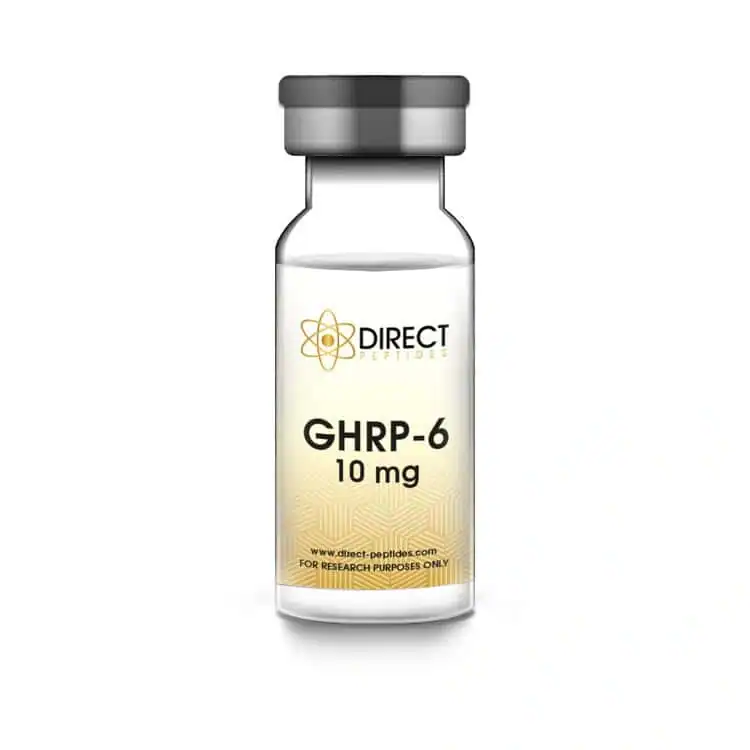 In contrast, GHRP-6 binds to the same ghrelin receptors and triggers a much quicker, more powerful release of growth hormone. GHRP-6 induces a rapid surge in GH, which makes it highly effective for short-term studies where researchers need to observe immediate physiological responses.
Researchers may use it in studies involving muscle recovery, appetite regulation, and acute metabolic changes, where a swift release of GH stimulates a specific biological process.
Discover GHRP-6 from Direct Peptides , a peptide known for its rapid growth hormone release, ideal for enhancing muscle recovery and regulating appetite.
Understanding the major distinctions between GHRP-2 vs GHRP-6 can help researchers determine which peptide is better suited for their research needs. The differences in their mechanisms of action and application areas make each peptide unique.
| Feature | GHRP-2 | GHRP-6 |
|---|---|---|
| Mechanism of Action | Gradual release of growth hormone | Rapid burst of growth hormone release |
| Effect on Growth Hormone | Steady, sustained release | Fast and powerful release |
| Ideal for | Long-term research, chronic conditions | Short-term studies, acute recovery |
| Impact on Appetite | Mild appetite stimulation | Strong appetite stimulation |
| Primary Applications | Muscle regeneration, metabolic disorders | Muscle recovery, weight gain, appetite regulation |
| Safety Considerations | Minimal side effects when dosed properly | Potential for overeating or excessive weight gain |
| Duration of Effect | Long-term hormonal regulation | Short-term, acute GH surge |
GHRP-2, also known as pralmorelin, is a synthetic hexapeptide that activates the ghrelin receptor GHS-R1a to stimulate pulsatile growth hormone release. Clinical studies report that repeated administration sustains GH secretion and increases circulating IGF-1 levels over time.
In addition to GH, measurable elevations in ACTH, cortisol, and prolactin have been observed, reflecting broader endocrine activity. With continued exposure, elevated GH and IGF-1 are associated with increased protein synthesis, improved nitrogen retention and support of lean body mass.
Research in growth restricted and catabolic states shows effects on body composition and skeletal muscle maintenance, making GHRP-2 relevant for studying long term metabolic adaptation and muscle preservation in controlled laboratory settings.
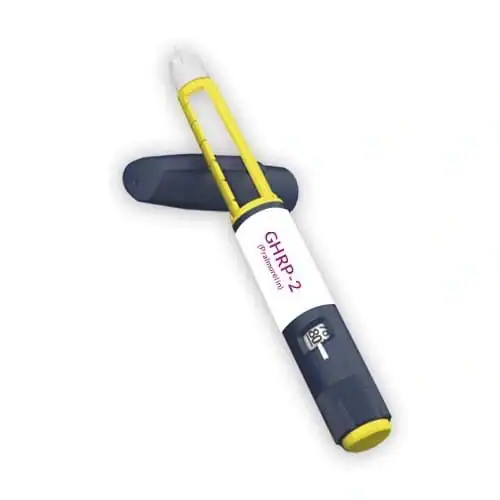
GHRP-6 is considered suitable for short-term research because it produces a pronounced and rapid increase in circulating growth hormone following receptor activation.
This acute endocrine response allows researchers to observe immediate downstream effects, such as changes in protein synthesis signaling or appetite related pathways. Because the GH elevation occurs quickly after administration, GHRP-6 is often used in experimental models that require short-duration hormonal stimulation rather than sustained modulation.
Explore Peptide Supplies at Direct Peptides for all your reconstitution requirements.
Yes. GHRP-6 supports muscle recovery research by increasing growth hormone levels soon after it activates the ghrelin receptor. Growth hormone drives tissue repair, protein synthesis and muscle cell regeneration. When GH levels rise, they activate IGF-1 pathways that help rebuild muscle after intense exercise.
Researchers use GHRP-6 to study how short term increases in growth hormone affect post-exercise recovery. Its strong and measurable GH response allows scientists to examine muscle repair signaling, cellular adaptation and recovery processes in controlled laboratory settings.
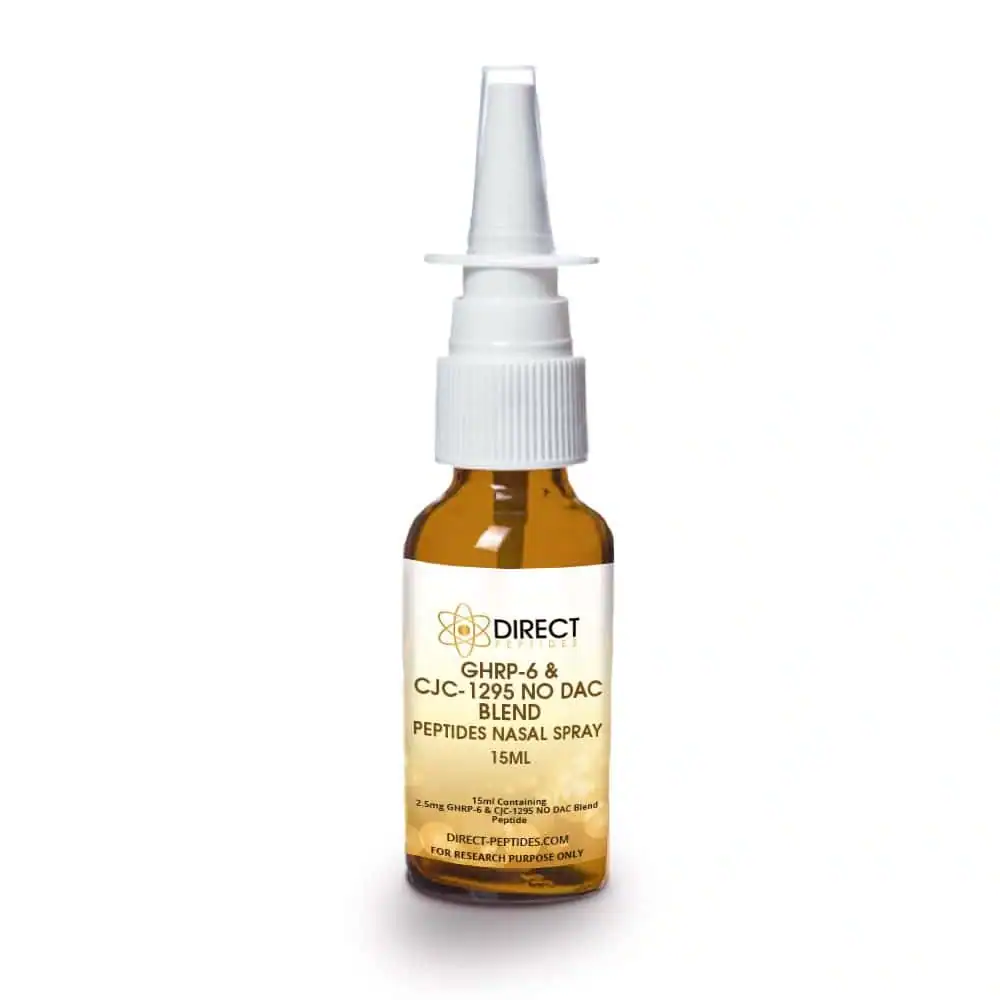
GHRP-6 produces a pronounced activation of central ghrelin pathways, which can significantly increase hunger signals in experimental models.
Because of this effect, researchers often examine GHRP-6 in studies focused on appetite regulation and conditions associated with unintended weight loss.
Its robust interaction with the hypothalamic appetite system makes it useful for investigating the link between ghrelin signaling, growth hormone release and metabolic regulation.
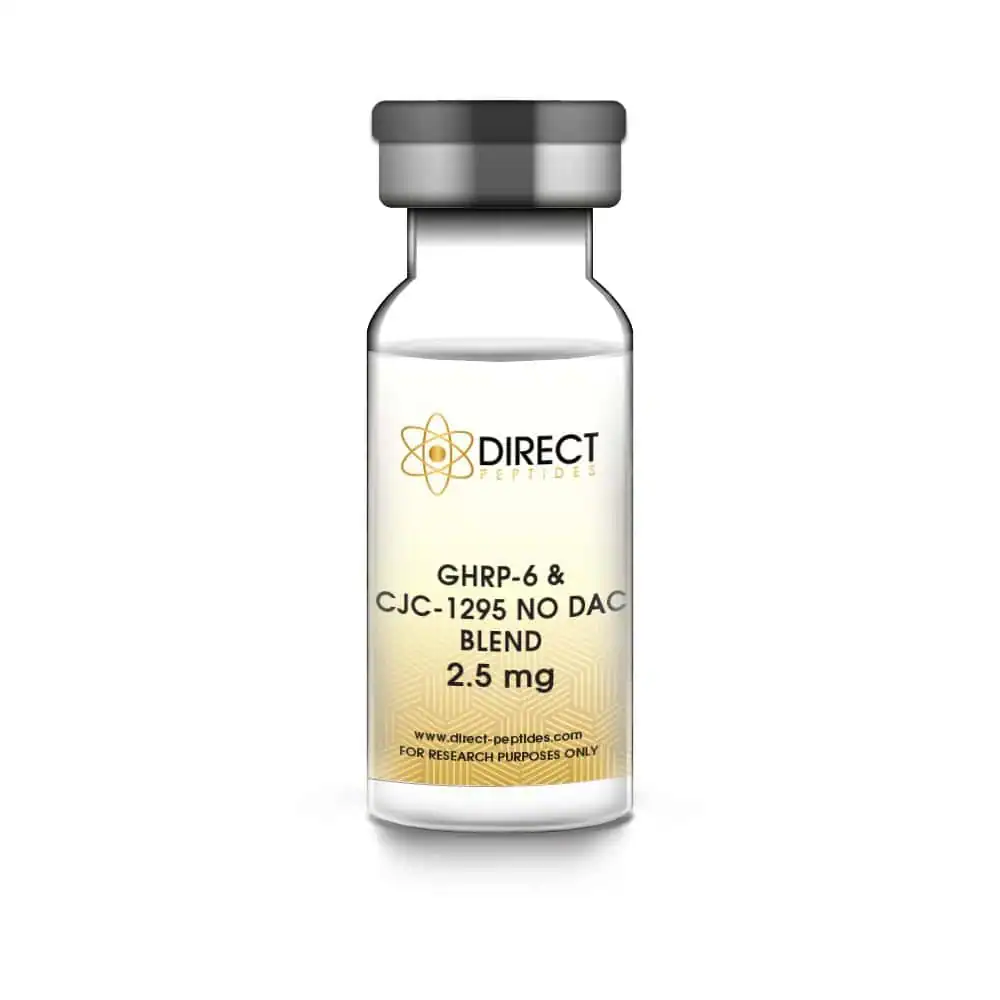 Both peptides have distinct roles when it comes to weight gain research, particularly in patients suffering from conditions that cause severe weight loss.
Due to its strong appetite-stimulating effects, GHRP-6 is highly effective in studies on weight gain, particularly in conditions like cancer, HIV/AIDS, or severe anorexia.
GHRP-6 stimulates hunger and increases food intake, making it an essential peptide for research into restoring lost weight and combating muscle wasting.
On the other hand, GHRP-2 supports long-term weight management by regulating metabolism and preserving lean muscle mass.
While GHRP-6 promotes immediate weight gain, researchers prefer GHRP-2 for studies that focus on maintaining healthy body composition over time, especially in cases involving obesity or other chronic metabolic disorders.
Safety is a key concern when using peptides like GHRP-2 and GHRP-6 in research. Understanding the safety profiles of each peptide ensures their effective and controlled use in laboratory settings.
GHRP-2 researchers generally consider safe for laboratory use when they carefully control the dosage. If they overstimulate growth hormone release, they can trigger elevations in cortisol or prolactin levels. Researchers monitor hormone levels during experiments to maintain controlled endocrine responses and support safe study conditions.
Researchers consider GHRP-6 to have a favorable safety profile when they use appropriate doses. However, its strong appetite-stimulating effects can cause excessive food intake or unwanted weight gain in animal models if researchers do not control dosing carefully. Researchers must monitor intake, body weight, and hormonal responses to reduce the risk of these effects during experiments.
When choosing between GHRP-2 vs GHRP-6, researchers must carefully consider their study’s goals. Researchers use GHRP-2 for long-term research when they need gradual and sustained growth hormone release for chronic disease studies, muscle regeneration, and metabolic regulation.
On the other hand, GHRP-6 is ideal for short-term studies requiring rapid, acute changes in growth hormone levels, such as muscle recovery, appetite regulation, and weight gain.
Understanding the unique characteristics of each peptide allows researchers to select the one that aligns best with their specific needs and research objectives.
(1) Laferrère B, Abraham C, Russell CD, Bowers CY. Growth hormone releasing peptide-2 (GHRP-2), like ghrelin, increases food intake in healthy men. J Clin Endocrinol Metab. 2005 Feb;90(2):611-4.
(2) Berlanga-Acosta J, Abreu-Cruz A, Herrera DGB, Mendoza-Marí Y, Rodríguez-Ulloa A, García-Ojalvo A, Falcón-Cama V, Hernández-Bernal F, Beichen Q, Guillén-Nieto G. Synthetic Growth Hormone-Releasing Peptides (GHRPs): A Historical Appraisal of the Evidences Supporting Their Cytoprotective Effects. Clin Med Insights Cardiol. 2017 Mar 2;11:1179546817694558.
(3) Hu R, Wang Z, Peng Q, Zou H, Wang H, Yu X, Jing X, Wang Y, Cao B, Bao S, Zhang W, Zhao S, Ji H, Kong X, Niu Q. Effects of GHRP-2 and Cysteamine Administration on Growth Performance, Somatotropic Axis Hormone and Muscle Protein Deposition in Yaks (Bos grunniens) with Growth Retardation. PLoS One. 2016 Feb 19;11(2):e0149461.
(4) McMahon CD, Chapin LT, Radcliff RP, Lookingland KJ, Tucker HA. GH-releasing peptide-6 overcomes refractoriness of somatotropes to GHRH after feeding. J Endocrinol. 2001 Jul;170(1):235-41.
Shop ALL Peptide Stacks, 99% Pure online at Direct Peptides today!
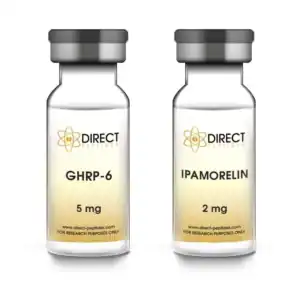
GHRP-6 Ipamorelin Peptide Stack
Price range: £22.43 through £31.41 Select options This product has multiple variants. The options may be chosen on the product page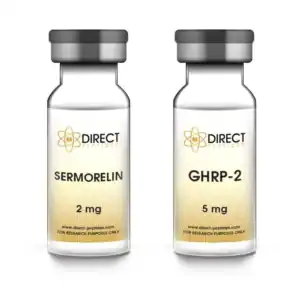
Sermorelin & GHRP-2 Peptide Stack
Price range: £26.44 through £35.42 Select options This product has multiple variants. The options may be chosen on the product page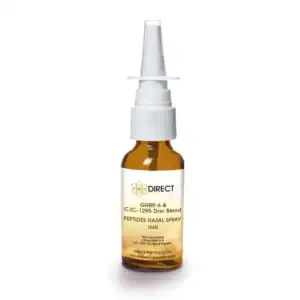
GHRP-6 & CJC-1295 Dac Blend Nasal Spray
Price range: £25.65 through £46.30 Select options This product has multiple variants. The options may be chosen on the product page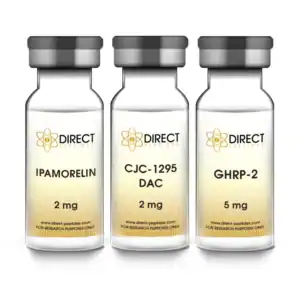
Ipamorelin CJC-1295 DAC GHRP-2
Price range: £43.30 through £51.39 Select options This product has multiple variants. The options may be chosen on the product pagePeptides for Soft Tissue Injury: Discover TB500’s Potential Peptides such as TB500, BPC-157, GHK-Cu, and PTD-DBM are showing great promise

Can Melanotan 2 Increase Libido? Melanotan II (Melanotan 2) is a peptide that mimics the hormone responsible for producing melanin

The Synergy of Semax and Selank : A Breakthrough in Peptide Therapy Peptide therapy leads modern medical advances by using

Can Tesofensine Improve Your Cognitive Function? Cognitive enhancement is becoming a widely sought goal, with many individuals seeking ways to