
Can ARA-290 Help Treat Rheumatoid Arthritis? Rheumatoid arthritis (RA) is a chronic autoimmune disease that leads to joint inflammation, pain,

L-Glutathione protects the liver by neutralizing free radicals and ROS (reactive oxygen species) that induce oxidative stress within hepatocytes. It supports detoxification enzymes, including glutathione peroxidase, which breaks down harmful compounds and converts toxins into forms the body can eliminate. Laboratory research confirms that adequate glutathione levels maintain cellular redox balance, allowing liver cells to function efficiently under oxidative stress.
Studies also show that L-Glutathione helps regenerate damaged liver cells and maintains cellular defense mechanisms. Experimental research links glutathione depletion to increased oxidative stress and liver injury, highlighting its central role in detoxification pathways. By sustaining antioxidant activity and supporting enzyme-driven detox processes, L-Glutathione remains a critical focus in liver research.
Explore L‑Glutathione from Direct Peptides , a potent antioxidant peptide that supports liver detoxification and protects hepatocytes from oxidative stress.
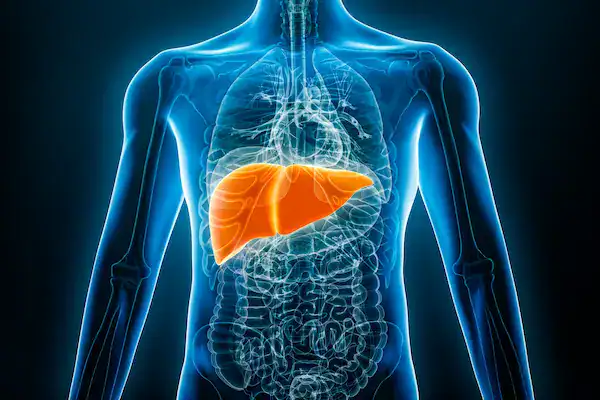
L‑Glutathione helps liver cells by taking part in phase II detoxification reactions, where it facilitates mercapturic acid synthesis via Glutathione S-transferases (GSTs), rendering lipophilic toxins water-soluble for biliary or renal excretion. This pathway allows hepatocytes to process and eliminate harmful compounds efficiently.
L‑Glutathione also supports liver cell health by maintaining redox signaling and key protein function. It preserves a healthy redox status, allowing other antioxidant systems to operate effectively and regulating signals that control cell growth and survival. Preclinical data suggest that proper glutathione levels help hepatocytes defend against ROS-induced damage and maintain stable cellular processes under stress.
Explore Peptide Supplies at Direct Peptides for all your reconstitution requirements.
Liver cells maintain the GSH/GSSG ratio. This redox cycle is dependent on the Pentose Phosphate Pathway for the provision of NADPH, ensuring continuous antioxidant capacity within hepatocytes. Without this recycling, detoxification efficiency drops and oxidative stress rises.
Maintaining glutathione also protects proteins and cellular signaling pathways from oxidative damage. Evidence indicates that when hepatocytes lose glutathione, toxins accumulate, oxidative stress increases, and the risk of liver injury rises. Recycling glutathione allows liver cells to remain resilient and sustain detoxification in experimental studies.
Preclinical data suggest BPC‑157 mitigates hepatic steatosis and focal necrosis. Research on animal models demonstrates that BPC‑157 stabilizes the gut-liver-brain axis and counteracts damage from carbon tetrachloride (CCl4) and other hepatotoxins. It reduces liver enzyme elevation and preserves liver structure under toxic stress.
These findings indicate that BPC‑157 helps preserve hepatocyte integrity and reduces oxidative stress in experimental settings. The peptide also demonstrates antioxidant activity in distant organs, suggesting broad cytoprotective potential.
Thymosin Alpha‑1 acts as an immunomodulatory peptide that reduces liver inflammation and supports repair in experimental models. It stimulates immune cells and enhances cytokine signaling, which helps control immune responses during liver injury. Evidence indicates that Thymosin Alpha‑1 has improved immune markers and reduced inflammatory liver damage in chronic hepatitis B models.
Research also reports that Thymosin Alpha‑1 reduces oxidative stress in hepatic tissue by boosting antioxidant enzymes like catalase and glutathione peroxidase, counteracting tissue damage.
Checkout Thymosin Alpha‑1 from Direct Peptides , a peptide that boosts immune signaling, reduces liver inflammation, and supports hepatocyte resilience in research.
Several research peptides support liver health in complementary ways. The table below summarizes the primary functions of L‑Glutathione, BPC‑157, and Thymosin Alpha‑1 in liver protection and repair:
| Peptide | Primary Function in Liver Health | Research Insight |
|---|---|---|
| L‑Glutathione | Neutralizes oxidative stress and supports detox enzymes | Maintains cellular redox balance and detox pathways in hepatocytes |
| BPC‑157 | Promotes tissue repair and reduces inflammation | Enhances hepatocyte recovery and protects against damage from toxins in experimental models |
| Thymosin Alpha‑1 | Modulates immune signaling and supports resilience | Improves hepatocyte response to stress and reduces inflammation in research studies |
This comparison highlights how each peptide contributes differently, yet works alongside others to provide comprehensive liver cell protection in experimental studies.
L‑Glutathione continues to show strong potential in supporting liver detoxification and protecting hepatocytes from oxidative stress. Evidence indicates its role in maintaining cellular balance, enhancing antioxidant defenses, and complementing peptides like BPC‑157 and Thymosin Alpha‑1 in experimental liver studies.
Future research may uncover new ways to leverage L‑Glutathione’s regenerative and detoxifying effects. Growing laboratory data suggest it could play a central role in strategies to strengthen liver resilience and recovery, offering promising insights for researchers exploring safer, effective approaches to liver health.
[1] Santacroce G, Gentile A, Soriano S, Novelli A, et al. Glutathione: Pharmacological aspects and implications for clinical use in non-alcoholic fatty liver disease. Front Med (Lausanne). 2023 Mar 22;10:1124275.
[2] Kaplowitz N. The importance and regulation of hepatic glutathione. Yale J Biol Med. 1981 Nov-Dec;54(6):497-502.
[3] Vairetti M, Di Pasqua LG, Cagna M, Richelmi P, et al. Changes in Glutathione Content in Liver Diseases: An Update. Antioxidants (Basel). 2021 Feb 28;10(3):364.
[4] Sikiric P, Seiwerth S, Rucman R, Kolenc D, et al. Brain-gut Axis and Pentadecapeptide BPC 157: Theoretical and Practical Implications. Curr Neuropharmacol. 2016;14(8):857-865.
[5] Yang X, Chen Y, Zhang J, Tang T, et al. Thymosin α1 treatment reduces hepatic inflammation and inhibits hepatocyte apoptosis in rats with acute liver failure. Exp Ther Med. 2018 Apr;15(4):3231-3238.
Shop ALL Peptide Vials from Direct Peptides today, your trusted supplier of premium clinical grade peptides online.
L‑Glutathione regulates redox balance in cells, controlling reactive oxygen species and maintaining the GSH/GSSG ratio. This redox state modulates immune cell activation, cytokine signaling, and gene expression. By supporting thiol/disulfide balance, L‑Glutathione helps maintain proper immune responses and cellular stress defenses, as shown in preclinical studies.
L‑Glutathione prevents ferroptosis by reducing lipid peroxides through glutathione peroxidase 4 (GPX4). This stops iron-dependent oxidative damage in cell membranes. Maintaining sufficient glutathione levels protects cells from regulated oxidative cell death and limits lipid peroxidation, supporting overall tissue integrity in experimental models.
Preclinical and pilot clinical studies indicate L‑Glutathione reduces oxidative stress in hepatocytes and lowers liver enzymes such as ALT. Glutathione supplementation may decrease liver fat accumulation and improve cellular detox pathways, showing potential to support liver function in models of fatty liver disease.
Oral L‑Glutathione has limited absorption due to breakdown in the gastrointestinal tract. Some evidence suggests it may indirectly increase circulating thiols and support cellular redox balance. While oral forms provide partial benefits, laboratory studies emphasize intracellular glutathione recycling as the main driver of liver protection.
L‑Glutathione protects cells from oxidative damage caused by metabolic stress by maintaining redox balance and neutralizing reactive oxygen species. It supports mitochondrial function and prevents lipid and protein oxidation, helping maintain cellular homeostasis under high metabolic demand, as demonstrated in preclinical research.
TWIN PACKS
BPC-157 Capsules
Price range: £47.99 through £86.38 Select options This product has multiple variants. The options may be chosen on the product page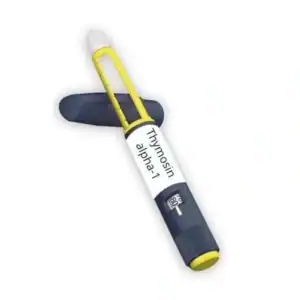
New Reduced Price
New Reduced Price
New Reduced Price
New Reduced Price
Thymosin Alpha1 Pre-Mixed Pen 10mg Peptide
Price range: £58.83 through £158.84 Select options This product has multiple variants. The options may be chosen on the product page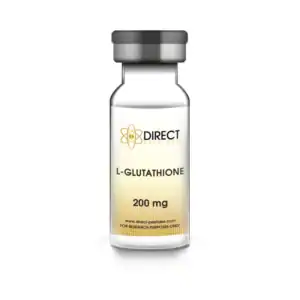
L-Glutathione Peptide Vial 200mg
Price range: £17.50 through £26.48 Select options This product has multiple variants. The options may be chosen on the product page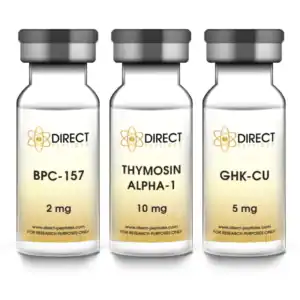
BPC-157 Thymosin Alpha-1 GHK-Cu Stack
Original price was: £82.71.£74.43Current price is: £74.43. Add to cartCan ARA-290 Help Treat Rheumatoid Arthritis? Rheumatoid arthritis (RA) is a chronic autoimmune disease that leads to joint inflammation, pain,

Is Cartalax Bioregulator the Future of Arthritis Management? Yes, Cartalax Bioregulator shows potential in arthritis research by targeting pathways involved

Does ARA 290 Peptide Really Protect the Brain? Yes. ARA 290 peptide (cibinetide) protects brain tissue in experimental models of
How the Hexarelin CJC-1295 Stack Promotes Joint and Tendon Healing? In the ever-evolving field of regenerative medicine and sports recovery,