
The Synergy of Semax and Selank : A Breakthrough in Peptide Therapy Peptide therapy leads modern medical advances by using

Bacteriostatic water vs sterile water both are clear but have different effects on peptide studies. There’s also benzyl alcohol in bacteriostatic water that halts bacteria growth. Each bottle can be used multiple times for up to 28 days.
Sterile water is composed of pure water that is free from any chemicals. You have to use it all and throw it away. Both are used to aid in the work with peptides in laboratories.
Direct Peptides offers global delivery of both bacteriostatic and sterile water, allowing researchers to choose the most suitable option for their peptide work.
Shop ALL Peptide Research Supplies online from Direct Peptides . We have a comprehensive list of premium research supplies including bacteriostatic water, 2ml sterile water, syringes, alcohol wipes, cartridges and pen needle packs for sale. Visit our main supply page and get fast shipping on your order today.
Experiments vary in how they use water for peptide work. Some tests need pure water with no chemicals at all. Other studies allow preservatives and need water that stays clean for weeks.
Multi-dose experiments work better with bacteriostatic water because you can draw from the same bottle many times. Single-dose tests often use sterile water to avoid any chemical interference. Labs must match their water choice to their specific research protocols and safety rules.
Discover Bacteriostatic Water from Direct Peptides , formulated with benzyl alcohol to inhibit bacterial growth and support multi-dose peptide research.
Safety rules guide labs when they select water for peptide research. Specific regulations restrict preservatives in certain tests, while other protocols require antimicrobial protection for multi-use water.
University labs enforce strict guidelines that tell researchers which water types they can use. Standards from the U.S. Food and Drug Administration also influence water selection in pharmaceutical research.
Researchers choose between bacteriostatic water and sterile water based on these safety requirements. When labs ignore these rules, they risk compromising research results and losing valuable peptides.
Explore Sterile Water from Direct Peptides , a pure, preservative-free solution ideal for single-use peptide preparation in lab settings.
Researchers adjust water selection based on the type of peptide study. Some regulated applications require preservative free sterile water to avoid additive interactions, while many laboratory studies choose water based on protocol needs.
Longer studies often use bacteriostatic water because benzyl alcohol inhibits microbial growth after repeated vial access. Short term experiments may use sterile water to avoid preservatives entirely. Researchers select sterile or bacteriostatic water based on sterility requirements, preservative compatibility and how long they plan to use the vial.
Compliance needs ensure research follows proper scientific standards and legal rules. Some regulatory bodies require specific water types for different kinds of studies. Labs must document which water they use and why they picked it.
Using the wrong water can make research results invalid or unusable. Bacteriostatic water vs sterile water compliance depends on understanding these requirements before starting any peptide work. Good compliance protects research quality and helps labs avoid costly mistakes.
Researchers record the water type and experimental conditions to support reproducibility. Scientific literature shows that sterility and preservative content can influence biologic and peptide stability, so researchers document formulation details during each study.
Researchers include reagent identifiers such as lot numbers and expiration dates to help trace variability between experiments. Studies on biologic formulations show that preservatives like benzyl alcohol affect sample compatibility, so researchers document water choice to support data interpretation.
Clear reagent records help maintain consistency across experiments and reduce uncertainty caused by solvent or preservative differences.
Auditors verify that labs follow proper water handling procedures during peptide research. Inspectors review storage conditions, labeling systems and disposal records. They confirm that labs discard bacteriostatic water after 28 days.
Auditors also confirm that labs use sterile water immediately after opening. Labs maintain audit trails that show proper selection and handling of bacteriostatic and sterile water. Direct Peptides provides documentation to help labs meet audit requirements and maintain research quality.
Labs use quality control steps to keep water pure and safe during storage and use. Technicians test pH levels regularly to confirm that water remains neutral. Staff monitor temperature to prevent heat damage during storage.
Technicians perform visual inspections to detect cloudiness or particles that indicate contamination. Proper quality control identifies issues before they affect valuable peptides. Labs apply these steps to both water types, adjusting timing and methods as needed.
Airborne bacteria, dirty needles, and poor handling practices spread contamination. Each needle puncture creates an opportunity for germs to enter water vials. Shared work surfaces transfer bacteria between different water bottles.
Poor hand hygiene also spreads contamination from person to person. Both bacteriostatic and sterile water face these risks, but preservatives help protect bacteriostatic water. When labs understand contamination pathways, they develop stronger prevention strategies.
Labs use prevention strategies to stop contamination before it ruins peptide research. Technicians use fresh, sterile needles for each water draw. Staff clean vial tops with alcohol before inserting needles.
Labs store water bottles in clean, dust-free areas away from other materials. Teams label all bottles with opening dates and disposal deadlines. Direct Peptides recommends these steps to protect water quality and support reliable results in peptide studies.
Researchers choose bacteriostatic water for multi-use applications and sterile water for single-use purity needs. Labs store both types at room temperature away from light and heat. Teams follow lab-specific safety rules and documentation requirements.
Researchers use proper handling techniques to prevent contamination. Teams keep detailed records of water use for audit purposes. These guidelines support reliable peptide research results while maintaining compliance with safety standards and research protocols.
| Features | Bacteriostatic Water | Sterile Water |
|---|---|---|
| Composition | Contains 0.9% benzyl alcohol | Pure water with no additives |
| Usage Duration | Can be used for up to 28 days after opening | Single-use only; must be discarded if not used immediately |
| Antimicrobial Properties | Yes, due to benzyl alcohol | No |
| Ideal For | Multiple-dose procedures | Single-dose procedures |
| Injection Compatibility | Suitable for diluting and injecting medications | Suitable for diluting and injecting medications, but not for multi-dose use |
| Shelf Life After Opening | 28 days | Must be used immediately or discarded |
| Potential Side Effects | Can cause the breakdown of red blood cells if used alone; rare side effects such as allergic reactions | Potential inflammation, redness, or allergic reactions at the injection site |
| Preservation Agents | Benzyl alcohol | None |
| Typical Volume | Available in larger volumes due to multiple use | Usually comes in smaller volumes (a few milliliters) to ensure single use |
| Sterility | Maintained over multiple uses due to antimicrobial agent | Ensured by single-use application |
(1) Hu J, Kyad A, Burke K, Sakiyama L, Moraes De Souza C, Pope S, Blue L, Cohen D, Semin D, Goudar C. Critical Aspects of pH Measurement for Bacteriostatic Water for Injection. J Pharm Sci. 2023 Aug;112(8):2307-2310.
(2) Lee N, Gao Y, Mårtensson LB, Callaway L, Barnett B, Kildea S. Sterile water injections for relief of labour pain (the SATURN trial): study protocol for a randomised controlled trial. Trials. 2022 Feb 16;23(1):155.
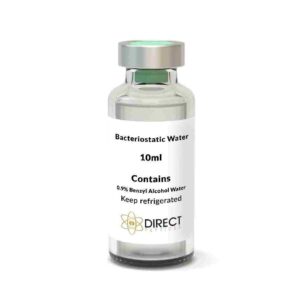
Bacteriostatic Water
Price range: £5.49 through £14.99 Select options This product has multiple variants. The options may be chosen on the product page
Pen Needle Pack (for cartridge pen)
£15.99 Add to cart
Deluxe Pen and Cartridge
£23.99 Add to cart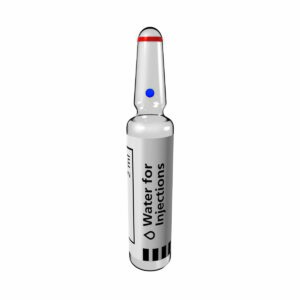
2ml Sterile Water
Price range: £1.20 through £8.99 Select options This product has multiple variants. The options may be chosen on the product pageThe Synergy of Semax and Selank : A Breakthrough in Peptide Therapy Peptide therapy leads modern medical advances by using

Can Tesofensine Improve Your Cognitive Function? Cognitive enhancement is becoming a widely sought goal, with many individuals seeking ways to

How Does Orexin A Peptide Impact Your Mood, Energy, and Focus? Orexin A Peptide is a neuropeptide that researchers study

How Can P-21 Peptide Reduce Stress? Stress is a silent disruptor. It sneaks into daily life. It affects focus, memory,