
Buy L-Glutathione Peptide
L-Glutathione peptide is a small, research-focused antioxidant compound that supports cellular redox balance, enhances detoxification processes, protects against oxidative stress, and promotes cellular resilience, making it a key focus in studies on liver health, aging, and metabolic stability.
Shop our Full Range of L-Glutathione Peptides
-
 NEW
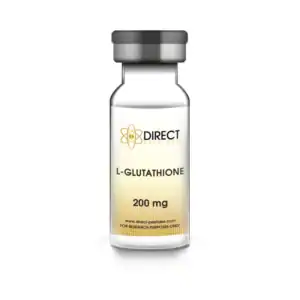
NEWL-Glutathione Peptide Vial 200mg
£17.50 – £26.48Price range: £17.50 through £26.48 This product has multiple variants. The options may be chosen on the product page
What is L-Glutathione?
L-Glutathione peptide is a tripeptide composed of glutamine, cysteine, and glycine, widely studied for its role in cellular redox balance and antioxidant defense. Researchers focus on its ability to neutralize reactive oxygen species, support detoxification pathways, and maintain cellular stability, making it a critical tool in oxidative stress and liver health studies.
L-Glutathione Mechanism Of Action
L-Glutathione is an important antioxidant and detoxification agent. It has been demonstrated to support vital enzymatic pathways, neutralize reactive oxygen species (ROS), and preserve cellular redox balance. Both reduced (GSH) and oxidized (GSSG) forms are present, and the GSH/GSSG ratio shows the degree of oxidative stress. By conjugating toxins for excretion, L-glutathione supports phase II detoxification and neutralizes ROS, preventing oxidative damage to lipids, proteins, and DNA. Additionally, it reduces dangerous peroxides by acting as a substrate for glutathione peroxidase and regenerating other antioxidants like vitamins C and E.
Additionally, L-Glutathione regulates redox-sensitive signaling pathways that control cell growth, apoptosis, and immune responses, helping cells adapt to stress. It protects mitochondrial function by reducing oxidative damage to mitochondrial DNA and membranes. Recycled by glutathione reductase, it ensures sustained antioxidant defenses. Researchers focus on L-Glutathione for its essential role in cellular protection, detoxification, and resilience, especially in studies on aging, liver health, neurodegeneration, and chronic diseases.
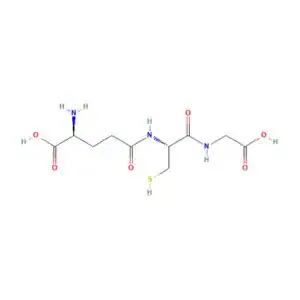
Structure of L-Glutathione
Sequence: H-gGlu-Cys-Gly-OH
Molecular Formula: C10H17N3O6S
Molecular Weight: 307.33 g/mol
PubChem CID: 124886
What Are The Research Benefits of L-Glutathione
Antioxidant Effects: Studies have shown that L-Glutathione is a critical non-enzymatic antioxidant in mammalian cells. It plays a central role in protecting against oxidative stress and maintaining cellular redox balance. It works by neutralizing free radicals and supporting enzymes that detoxify harmful substances. These enzymes include glutathione peroxidases, which break down peroxides, and glutathione S-transferases, which help remove foreign chemicals from the body [1].
Research suggests that GSH also regenerates vitamin E and alleviates dicarbonyl stress via glyoxalase enzymes. Oxidative stress is a process that can damage your DNA, proteins, and fats, and it’s often triggered by things like intense exercise. Over time, this damage can increase the risk of diseases like cancer and neurodegenerative disorders. It is indicated that administration with GSH or N-acetyl-cysteine (NAC) may reduce oxidative damage, supporting cellular health and performance [2].
Detoxification Support: L-Glutathione peptide has been shown to play a vital role in detoxification by binding to toxins and transforming them into water-soluble forms for safe excretion. This process, part of Phase II detoxification, is crucial for eliminating environmental toxins, heavy metals, and harmful byproducts of metabolism.
Studies suggest that GSH also supports liver health by neutralizing reactive molecules and facilitating the removal of persistent organic pollutants (POPs) and mercury. Its ability to form glutathione S-conjugates enhances the transport of toxins out of cells. Low GSH levels are linked to increased vulnerability to toxins and chronic diseases, highlighting its importance in maintaining cellular health and protecting against toxic exposures [3].
Liver Conditions: Scientific research has shown that L-Glutathione is highly concentrated in the liver. It is vital for redox balance, influencing cell survival, necrosis, and apoptosis [4]. The peptide plays a key role in liver health, mitigating oxidative stress and inflammation in conditions like non-alcoholic fatty liver disease (NAFLD) and hepatocellular carcinoma [5]. Studies show GSH supplementation improves liver enzymes, reduces oxidative damage, and enhances immune function and quality of life in patients undergoing liver therapies, highlighting its therapeutic potential.
Immune System Regulation: L-Glutathione peptide has been shown to play a pivotal role in immune system regulation by maintaining redox balance and modulating immune cell functions. Studies show it supports T-cell activation, cytokine production, and macrophage activity, which helps enhance the immune response against pathogens [6].
Studies also suggest it shifts cytokine profiles toward a Th1 response, crucial for combating infections like tuberculosis [7]. During inflammation, GSH neutralizes reactive oxygen species (ROS), preventing oxidative damage to immune cells [8]. Studies highlight its role in reducing inflammation, supporting regulatory T-cell survival, and mitigating autoimmune responses [9]. GSH deficiency is linked to impaired immunity and chronic inflammation, underscoring its therapeutic potential in immune-related diseases.
Cellular Redox and Metabolic Regulation: L-Glutathione is crucial for maintaining the balance of oxidative and reductive processes within cells, which affects essential biological functions like DNA and protein synthesis, cell growth, and programmed cell death (apoptosis). By managing oxidative stress, the peptide supports key cellular pathways related to metabolism and stress responses. It plays an important role in nutrient metabolism, antioxidant defense, and controlling nitroxidative stress.
Recent studies also point to GSH’s involvement in autophagy and its impact on how cells respond to viral infections. By regulating redox balance, GSH helps ensure proper gene expression and cellular signaling, making it vital for maintaining cell health and function [10].
Insulin Resistance: L-Glutathione has been shown to combat oxidative stress, a major driver of insulin resistance and Type 2 diabetes (T2D). Studies have demonstrated that low GSH levels in T2D exacerbate oxidative damage, inflammation, and complications like neuropathy and nephropathy.
Administration of GSH or its precursors, such as N-acetyl-cysteine (NAC) and glycine, shows promise in improving insulin signaling and reducing oxidative stress. Recent evidence underscores the potential of GSH in mitigating the progression of T2D and its associated cellular damage [11].
Buy L-Glutathione Peptide online for laboratory research today!
L-Glutathione Peptide Quality Assured
Buy L-Glutathione with 99% purity from Direct Peptides, specifically formulated for advanced scientific research. To ensure quality and reliability, every batch is third-party tested so you can have full confidence in your results. Choose our L-Glutathione for the safety, accuracy, and consistent performance needed for your next discovery.
Summary of Research Applications
- Acts as an antioxidant defense by neutralising reactive oxygen species.
- Supports phase II detoxification.
- Maintains cellular redox balance.
- Protects mitochondrial DNA and membranes.
- Enhances immune system function.
- Regenerates other antioxidants such as vitamins C and E.
- Promotes cellular repair and resilience.
- Protects the liver and detox pathways.
- Reduces oxidative stress in aging.
- Key focus in disease research.
L-Glutathione Peptide Vial
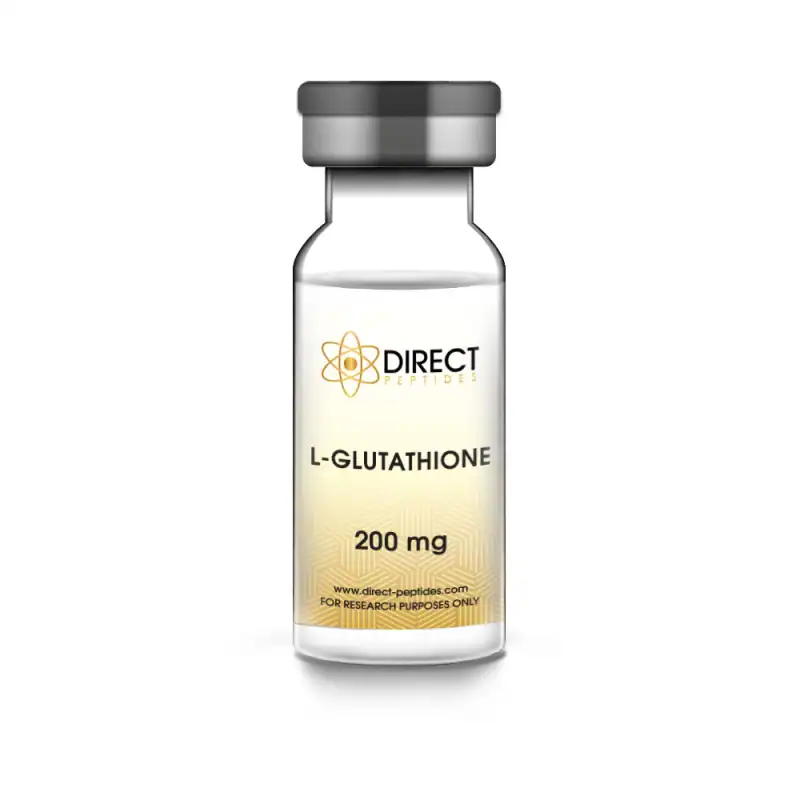
Buy L-Glutathione peptide vial, available as a 200 mg vial or as a kit which includes bacteriostatic water and syringes.
Frequently Asked Questions (FAQs) about L-Glutathione Peptide
Is it legal to buy L-glutathione peptide?
The legality of purchasing L-glutathione peptide varies by form and country. Injectable L-glutathione in the U.S. requires consultation with a licensed provider. Many peptides fall into a regulatory gray area, as the FDA hasn’t approved most for non-medical use. However, some products containing L-glutathione as a food supplement are legally sold in certain countries, like the Philippines. Always check local regulations and seek professional advice.
What part does L-glutathione play in the process of detoxification?
L-glutathione is frequently referred to as the “master antioxidant” and is essential to the body’s detoxification process. It supports the liver in eliminating toxins, aids enzymes in getting rid of dangerous substances, and helps neutralize free radicals. Additionally, it boosts immunity, regenerates other antioxidants, and detoxifies heavy metals. Maintaining balanced levels of L-glutathione is crucial for both efficient detoxification and healthy cells.
Does L-glutathione peptide have any side effects?
L-glutathione peptide is generally safe when used appropriately, but potential side effects include digestive issues, allergic reactions, respiratory symptoms (in inhaled forms), and skin lightening. High doses may disrupt the body’s natural antioxidant balance, and long-term effects are not well-studied. It may also interact with medications like chemotherapy drugs, and products from unregulated sources risk contamination. Always consult a healthcare professional before commencing any research, start with a low dose, and choose a reputable supplier like Direct Peptides to ensure safety.
Buy L-Glutathione peptide for research purposes from Direct Peptides.
References For Further Reading
[1] Averill-Bates DA. The antioxidant glutathione. Vitam Horm. 2023, Volume 121, Pages 109-141.
[2] Kerksick C, Willoughby D. The antioxidant role of glutathione and N-acetyl-cysteine supplements and exercise-induced oxidative stress. J Int Soc Sports Nutr. 2005 Dec 9, Volume 2 (Issue 2), Pages 38-44.
[3] Pizzorno J. Glutathione! Integr Med (Encinitas). 2014 Feb, Volume 13 (Issue 1), Pages 8-12.
[4] Vairetti M, Di Pasqua LG, Cagna M, Richelmi P, Ferrigno A, Berardo C. Changes in Glutathione Content in Liver Diseases: An Update. Antioxidants (Basel). 2021 Feb 28, Volume 10 (Issue 3), Page 364.
[5] Ke Y, Wu T, Lei X, Zhang C, Zhou J, Li J, Zhang H, Chen X, Wang J, Wang L. Reduced glutathione ameliorates liver function, oxidative stress and inflammation after interventional therapy for hepatocellular carcinoma. J BUON. 2020 May-Jun, Volume 25 (Issue 3), Pages 1361-1367.
[6] Lin N, Erdos T, Louie C, Desai R, Lin N, Ayzenberg G, Venketaraman V. The Role of Glutathione in the Management of Cell-Mediated Immune Responses in Individuals with HIV. Int J Mol Sci. 2024 Mar 3, Volume 25 (Issue 5), Page 2952.
[7] Abnousian A, Vasquez J, Sasaninia K, Kelley M, Venketaraman V. Glutathione Modulates Efficacious Changes in the Immune Response against Tuberculosis. Biomedicines. 2023 May 2, Volume 11 (Issue 5), Page 1340.
[8] Wróblewska J, Wróblewski M, Hołyńska-Iwan I, Modrzejewska M, Nuszkiewicz J, Wróblewska W, Woźniak A. The Role of Glutathione in Selected Viral Diseases. Antioxidants (Basel). 2023 Jun 22, Volume 12 (Issue 7), Page 1325.
[9] Carlo Perricone, Caterina De Carolis, and Roberto Perricone. Glutathione: A key player in autoimmunity. Autoimmunity Reviews, Volume 8, Issue 8, July 2009, Pages 697-701.
[10] Aquilano K, Baldelli S, Ciriolo MR. Glutathione: new roles in redox signaling for an old antioxidant. Front Pharmacol. 2014 Aug 26, Volume 5, Page 196.
[11] Dawi J, Misakyan Y, Affa S, Kades S, Narasimhan A, Hajjar F, Besser M, Tumanyan K, Venketaraman V. Oxidative Stress, Glutathione Insufficiency, and Inflammatory Pathways in Type 2 Diabetes Mellitus: Implications for Therapeutic Interventions. Biomedicines. 2024 Dec 26, Volume 13 (Issue 1), Page 18.
Why Choose Direct Peptides ?
Experience unrivaled quality when you buy L-Glutathione from Direct Peptides. As your premier source for premium peptides, we offer high-purity L-Glutathione in 200mg vials designed for excellence.
To support your research, explore our comprehensive selection of Peptide Supplies here. We provide everything necessary for precise reconstitution, including bacteriostatic water, syringes, alcohol swabs, pen needle tips, and empty cartridges.
ALL CONTENT AND PRODUCT INFORMATION AVAILABLE ON THIS WEBSITE IS FOR EDUCATIONAL PURPOSES ONLY.
DISCLAIMER: These products are intended solely as a research chemical only. This classification allows for their use only for research development and laboratory studies. The information available on our Direct Peptides website: https://direct-peptides.com is provided for educational purposes only. These products are not for human or animal use or consumption in any manner. Handling of these products should be limited to suitably qualified professionals. They are not to be classified as a drug, food, cosmetic, or medicinal product and must not be mislabelled or used as such.
Related Posts

The Benefits of Reducing Oxidative Stress with L-Glutathione
This blog explores the role of L-Glutathione in reducing oxidative stress by supporting redox balance and antioxidant activity. It highlights how L-Glutathione protects cells from reactive oxygen species and works alongside peptides like DSIP, Epithalon, and Thymosin Alpha-1 to enhance cellular resilience, stress regulation, and immune coordination in oxidative stress research.
L-Glutathione for Liver Detoxification
This blog highlights the role of L-Glutathione in liver detoxification, focusing on its antioxidant activity, redox balance, and support for detox enzymes. It explores how L-Glutathione protects hepatocytes from oxidative stress and complements peptides like BPC-157 and Thymosin Alpha-1, which aid in liver repair, inflammation reduction, and cellular resilience in research models.